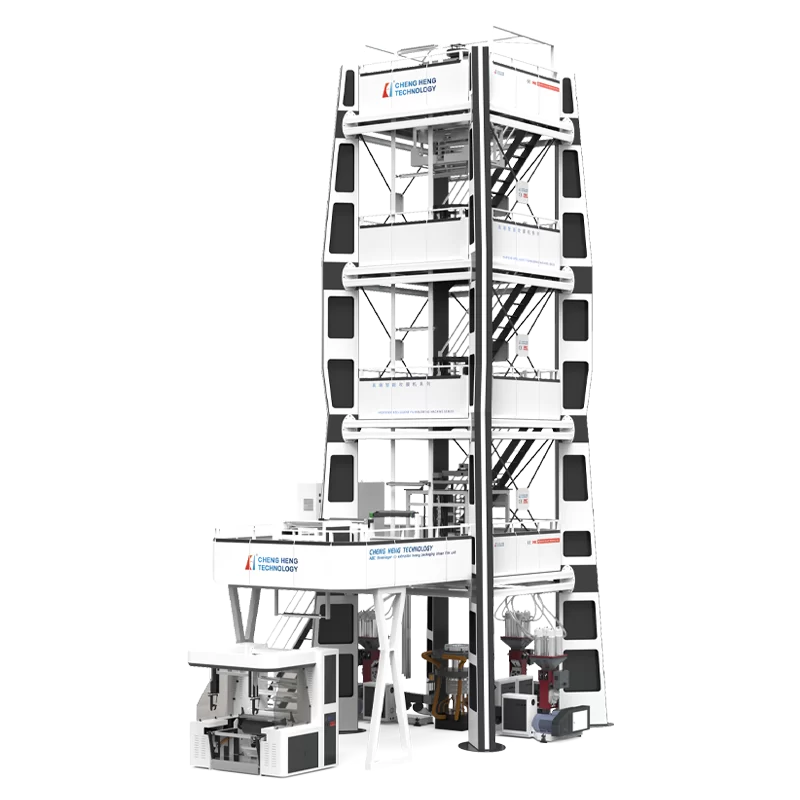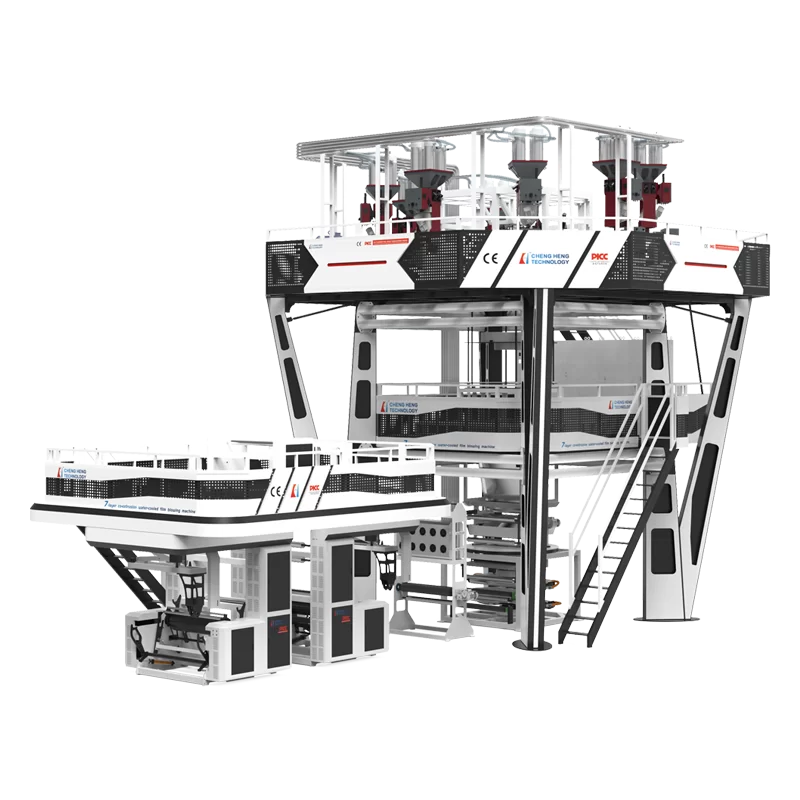
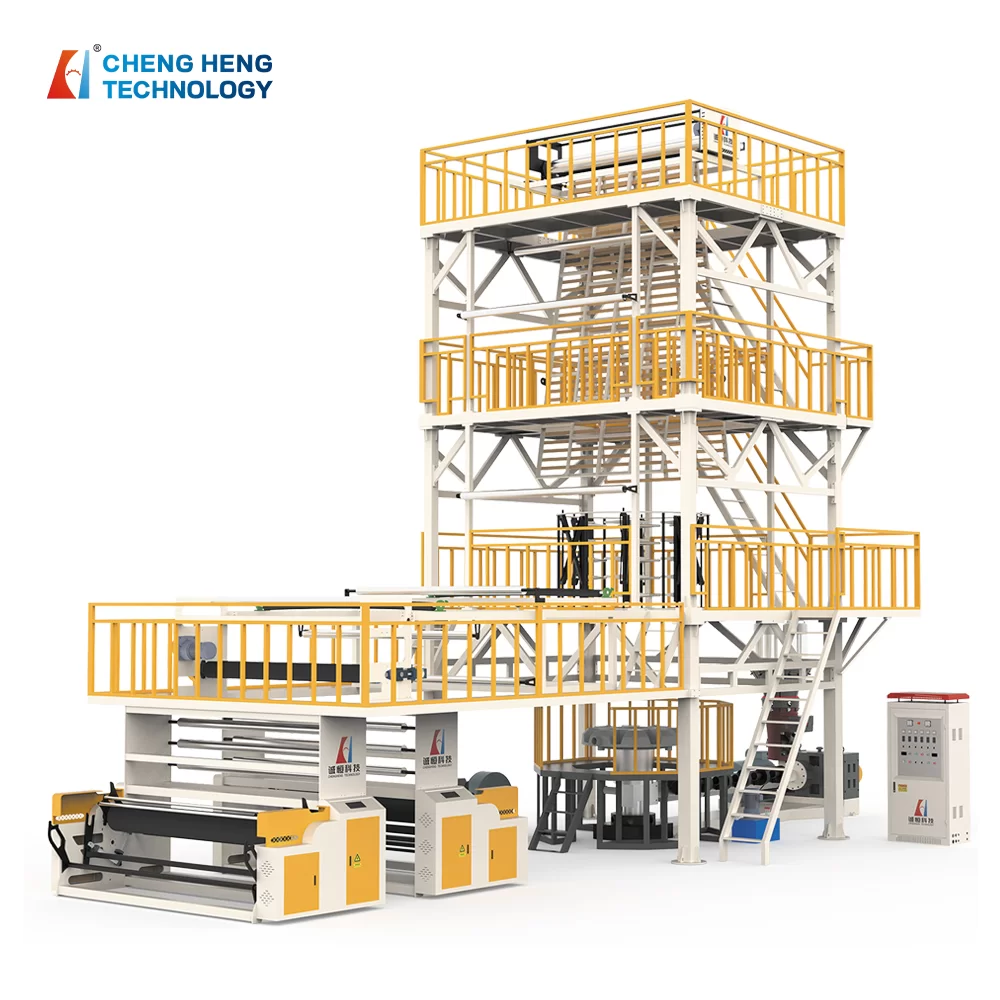
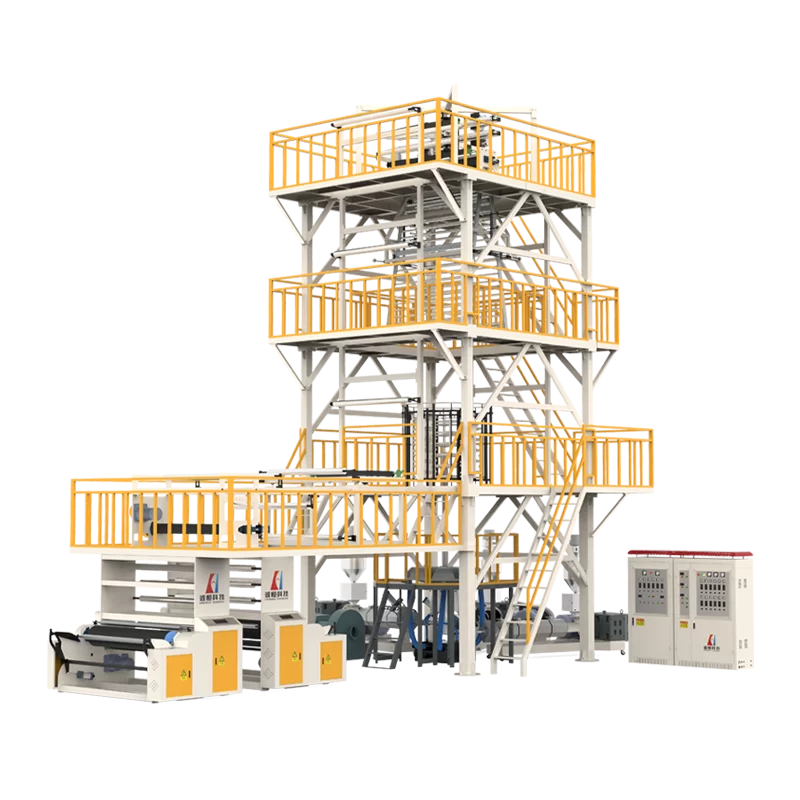
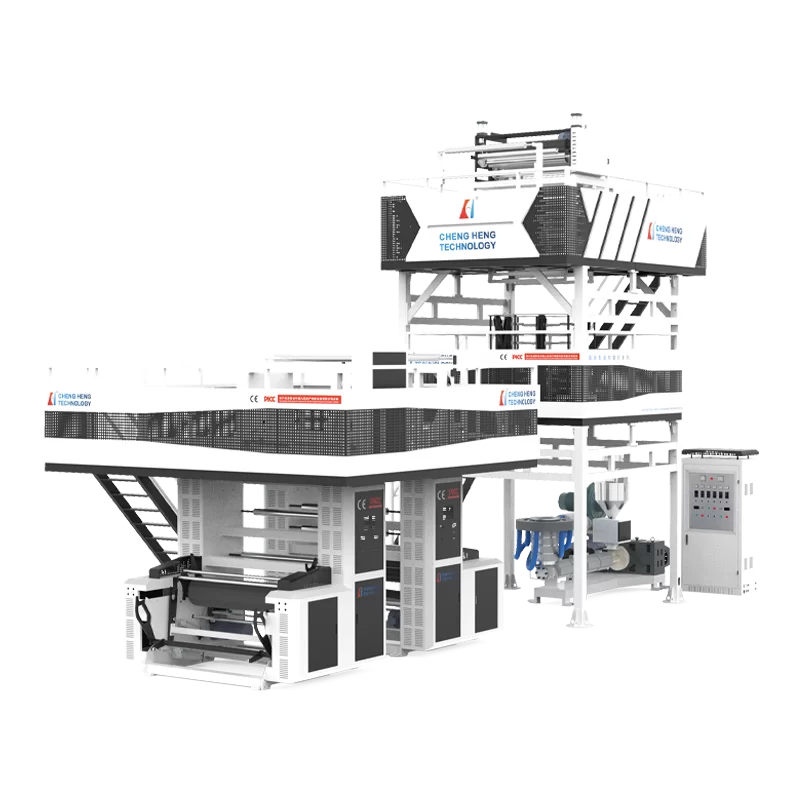
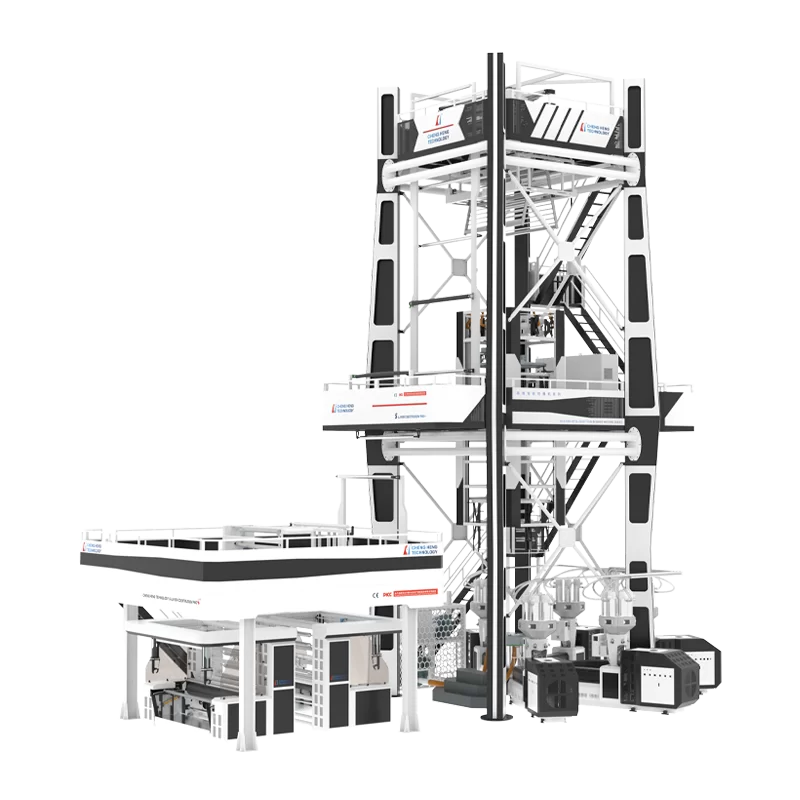
Industrial blown film production line Solutions for Zambia Market

High-efficiency plastic extrusion technology tailored for the Zambian manufacturing sector, enhancing local packaging autonomy and productivity.

Current Landscape of Plastic Film Manufacturing in Zambia

Analyzing the intersection of industrial growth and packaging demands in Africa's heartland.

Zambia's manufacturing sector is currently witnessing a surge in demand for flexible packaging, driven by the growth of the agricultural and mining industries. However, many local producers still rely on imported films or outdated film blowing machine units that consume excessive energy and produce inconsistent gauge thickness, limiting their competitiveness in the regional SADC market.

The climatic conditions in Zambia, characterized by distinct wet and dry seasons, pose challenges for raw material storage and machine cooling. Modern blown film line installations now require advanced air-cooling rings and stabilized temperature control systems to ensure that the film bubble remains steady despite external ambient temperature fluctuations.

Furthermore, the shift toward sustainable development in Lusaka and the Copperbelt province is pushing manufacturers to adopt a lown film machine capable of processing biodegradable resins or recycled HDPE. This transition is essential for compliance with emerging environmental regulations aimed at reducing plastic waste across Zambia.
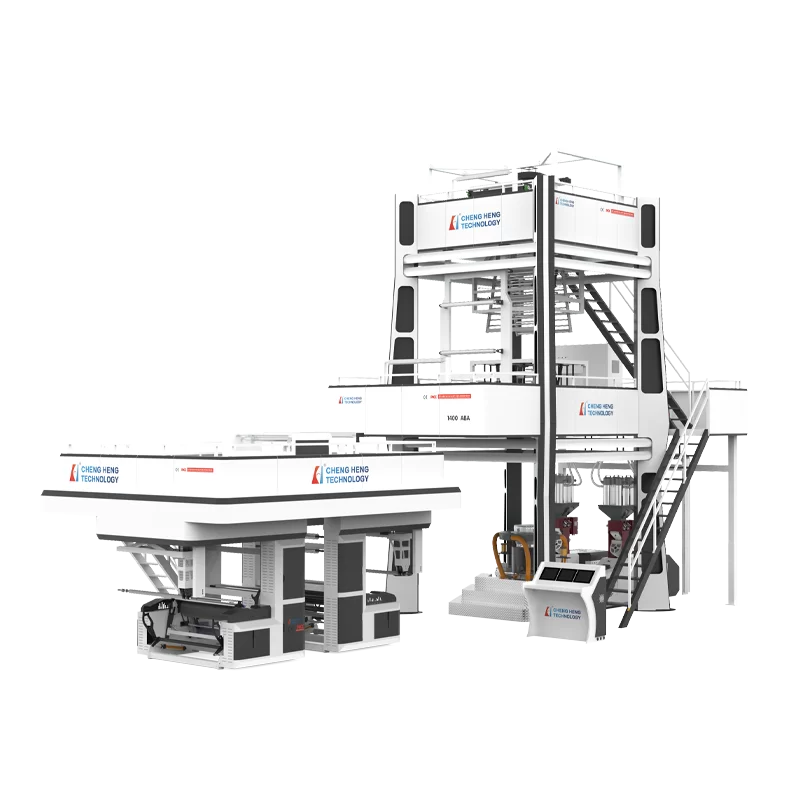
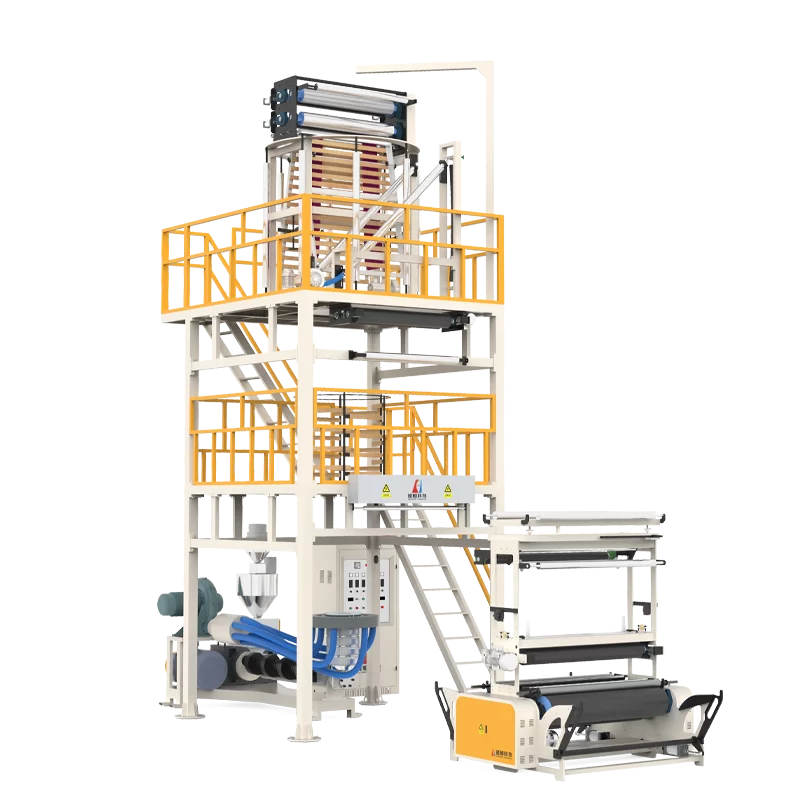
Evolution and Technical Trajectory of Film Extrusion in Zambia

From manual operations to automated high-output production systems.

Market Development History

In the early 2000s, the Zambian market was dominated by small-scale, single-screw film blowing machine setups. These machines were primarily used for basic shopping bags with very limited control over film properties, resulting in high scrap rates and low tensile strength.

Between 2010 and 2020, the industry entered a phase of "Industrial Modernization." Producers began importing integrated blown film production line systems that included automatic winding and thickness gauging. This period saw the rise of specialized industrial packaging for Zambia's expanding mining chemicals and fertilizer sectors.

Currently, the market is transitioning toward "Smart Manufacturing." The integration of PLC controls and servo-motor drives in the blown film extrusion machine has allowed Zambian factories to achieve micron-level precision, significantly reducing raw material waste and increasing output per kilowatt-hour.

Future Development Trends

Biodegradable Material Integration

Driven by global environmental trends, the next 3 years will see a massive shift toward PLA and PBAT compatible blown film line systems to eliminate non-degradable plastic pollution in Zambian waterways.

Multi-layer Co-extrusion Adoption

To improve barrier properties for food preservation, there is a growing trend toward 3-layer and 5-layer extrusion, allowing for the production of high-performance films that extend the shelf life of Zambian agricultural exports.

Energy-Efficient Drive Systems

Given the fluctuating power costs in certain regions of Zambia, the adoption of inverter-driven motors in lown film machine technology will be the primary focus to maintain profitability.

Future Trends and Strategic Outlook for Zambian Plastics

Predicting the technological shifts shaping the future of film extrusion.

Circular Economy Integration
Advanced recycling systems integrated into the extrusion process to utilize post-consumer waste.
IoT Remote Monitoring
Implementing cloud-based diagnostics to reduce downtime for machines in remote Zambian provinces.
Nanocomposite Films
Integration of nano-additives to enhance the strength and barrier properties of agricultural films.
Automated Thickness Control
Closed-loop feedback systems to ensure uniform film thickness and reduce material waste.

Industry Outlook

Based on current search trends and industrial growth in the SADC region, the demand for specialized blown film production line systems in Zambia is expected to grow by 6% annually. The focus is shifting from simple volume to high-value, technical films that support the pharmaceutical and food-grade packaging sectors.

As Zambia integrates further into the African Continental Free Trade Area (AfCFTA), local manufacturers who invest in high-precision extrusion technology will be positioned to export their packaging products to neighboring DRC and Zimbabwe, transforming Zambia into a regional hub for plastic processing.

Localized Application Scenarios in Zambia

Practical implementations of film extrusion technology across various Zambian industries.

01. Agricultural Mulch Film Production

Using a blown film extrusion machine to produce UV-stabilized mulch films that help Zambian farmers conserve soil moisture and suppress weeds in drought-prone regions.

02. Retail Shopping & Garbage Bag Manufacturing

Deployment of high-speed film blowing machine systems in Lusaka to provide cost-effective, high-strength bags for the expanding retail and supermarket sectors.

03. Mining Industry Heavy-Duty Liners

Utilization of reinforced blown film line technology to create thick, puncture-resistant liners for leaching pads and chemical containment in the Copperbelt mines.

04. Food-Grade Packaging for Agro-Processing

Implementing co-extrusion blown film production line systems to produce high-barrier films for packaging processed maize and organic produce for export.

05. Eco-Friendly Biodegradable Bag Initiatives

Adapting lown film machine setups to process compostable resins, meeting the new government mandates for reducing single-use plastics in urban centers.

Brand Story

Global Development Journey of Maqi Intelligent Technology Hebei Co., Ltd.

Foundation & Technical Core

Established with a vision to revolutionize plastic extrusion, we focused on solving the instability of film bubbles in high-temperature environments.

Global Expansion Phase

We expanded our footprint into Africa, specifically targeting the growing manufacturing hubs in Zambia and Nigeria with localized support.

Innovation in Sustainability

Developed a proprietary screw design that allows for high percentages of recycled material without compromising film transparency or strength.

Industry 4.0 Integration

Launched the first series of fully automated, IoT-enabled extrusion lines to empower factories in emerging markets with smart data.

Commitment to Zambia

Dedicated to providing lifelong technical training and spare parts availability to ensure Zambian manufacturers never face prolonged downtime.

Comprehensive Film Extrusion Portfolio for Zambia

A full range of machinery designed to cover every aspect of the plastic film production cycle.

Zambia Plastic Machinery FAQ

Expert answers to common technical and operational questions from our Zambian clients.

How to maintain a film blowing machine in Zambia's dusty environment?

We recommend installing industrial air filtration systems and performing weekly cleaning of the cooling fans to prevent dust buildup from overheating the motor and PLC cabinets.

Can a blown film production line handle recycled plastic pellets?

Yes, our machines are equipped with high-torque screws and specialized venting systems that allow for the processing of recycled HDPE/LDPE while maintaining film stability.

What is the typical power requirement for a blown film extrusion machine?

Requirements vary by output, but most industrial lines use 3-phase power. We provide voltage stabilizers to protect the equipment from power surges common in some Zambian industrial zones.

How do I optimize the output of my blown film line for agricultural use?

By adjusting the blow-up ratio (BUR) and using UV-resistant masterbatches, you can produce a film that is both thin for cost-saving and durable for the Zambian sun.

Is a lown film machine suitable for producing biodegradable bags?

Absolutely. Our latest models feature precise temperature zones specifically calibrated for the lower melting points of biodegradable resins like PBAT.

What is the installation lead time for a full production line in Zambia?

Typically, installation takes 7-14 days upon arrival. Our engineers provide on-site commissioning and operator training to ensure immediate production start.

Start Your Plastic Manufacturing Journey Today

Contact our engineering team to get a customized quote and technical blueprint for your factory in Zambia.

Contact Us Now