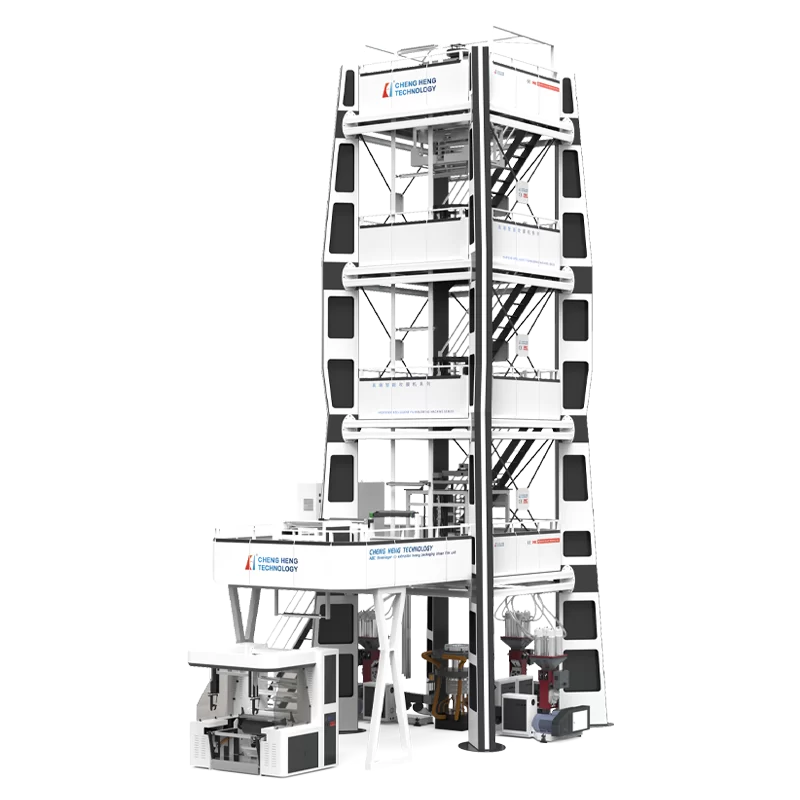
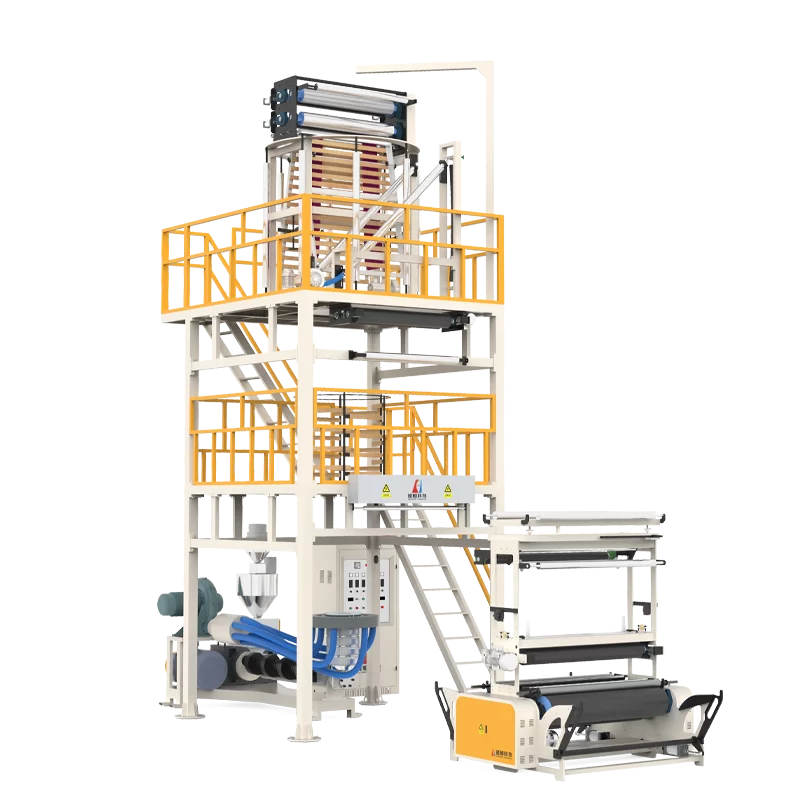
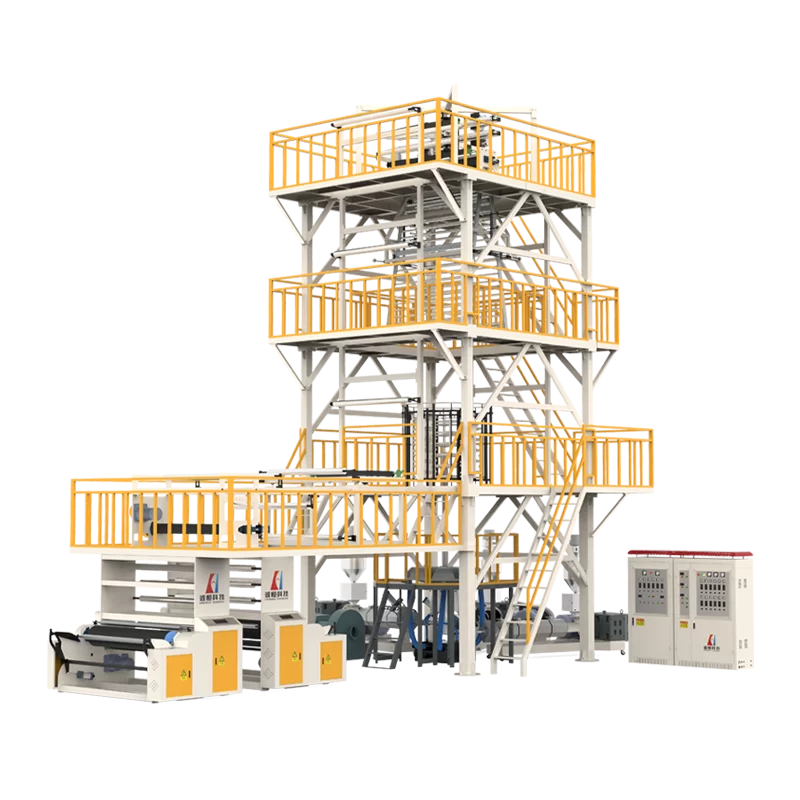
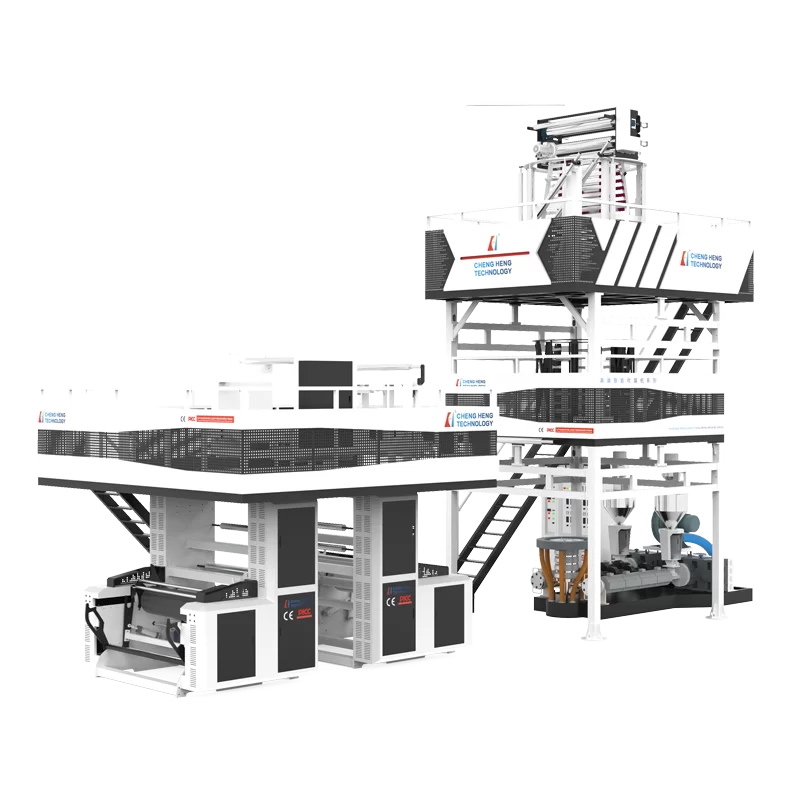
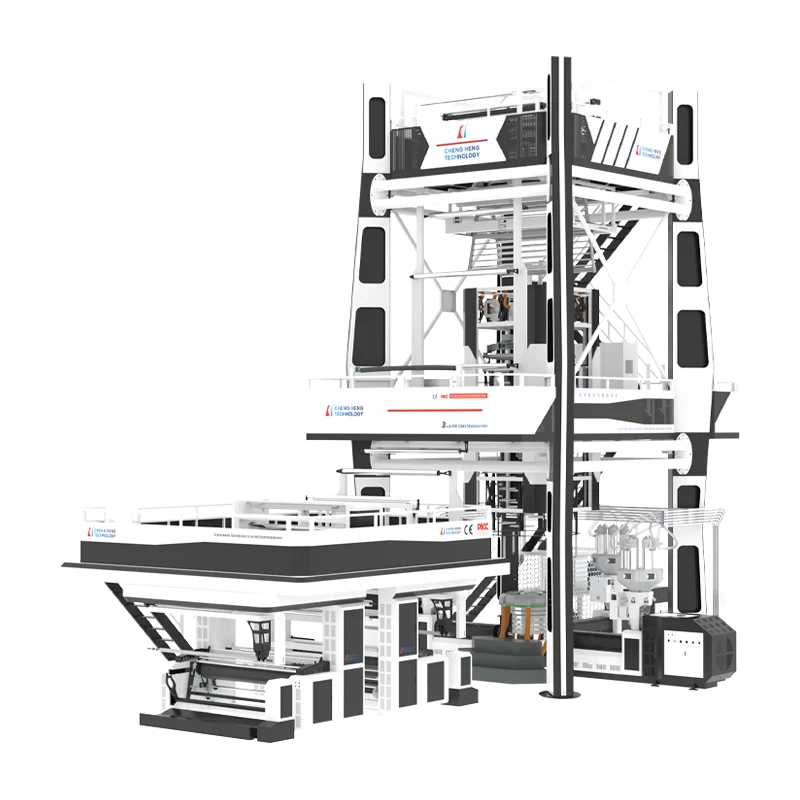
High-Performance blown film production line Solutions for US Manufacturing

Engineering next-generation plastic extrusion technology to optimize output and sustainability for the North American packaging market.

High-Performance blown film production line Solutions for US Manufacturing

Providing the United States industrial sector with precision-engineered extrusion systems designed for maximum durability, energy efficiency, and material versatility.

The State of Plastic Extrusion in the United States

Analyzing the current landscape of film production amidst strict environmental regulations and labor shortages.

In the United States, the demand for high-quality packaging is evolving rapidly. Manufacturers are shifting away from single-use plastics toward biodegradable and recyclable materials. This transition requires a sophisticated film blowing machine capable of handling PCR (Post-Consumer Recycled) resins without compromising the structural integrity of the film.

Geographically, the US market is characterized by massive distribution hubs in the Midwest and East Coast. The high cost of industrial electricity in these regions has forced a surge in demand for energy-efficient blown film extrusion machine units that utilize advanced servo-motor technology and optimized heating zones to reduce operational overhead.

Furthermore, the North American labor market's shortage of skilled technicians has driven the adoption of "Industry 4.0" automation. Modern blown film line installations now prioritize intuitive HMI interfaces and remote diagnostic capabilities to ensure minimum downtime and maximum consistency.
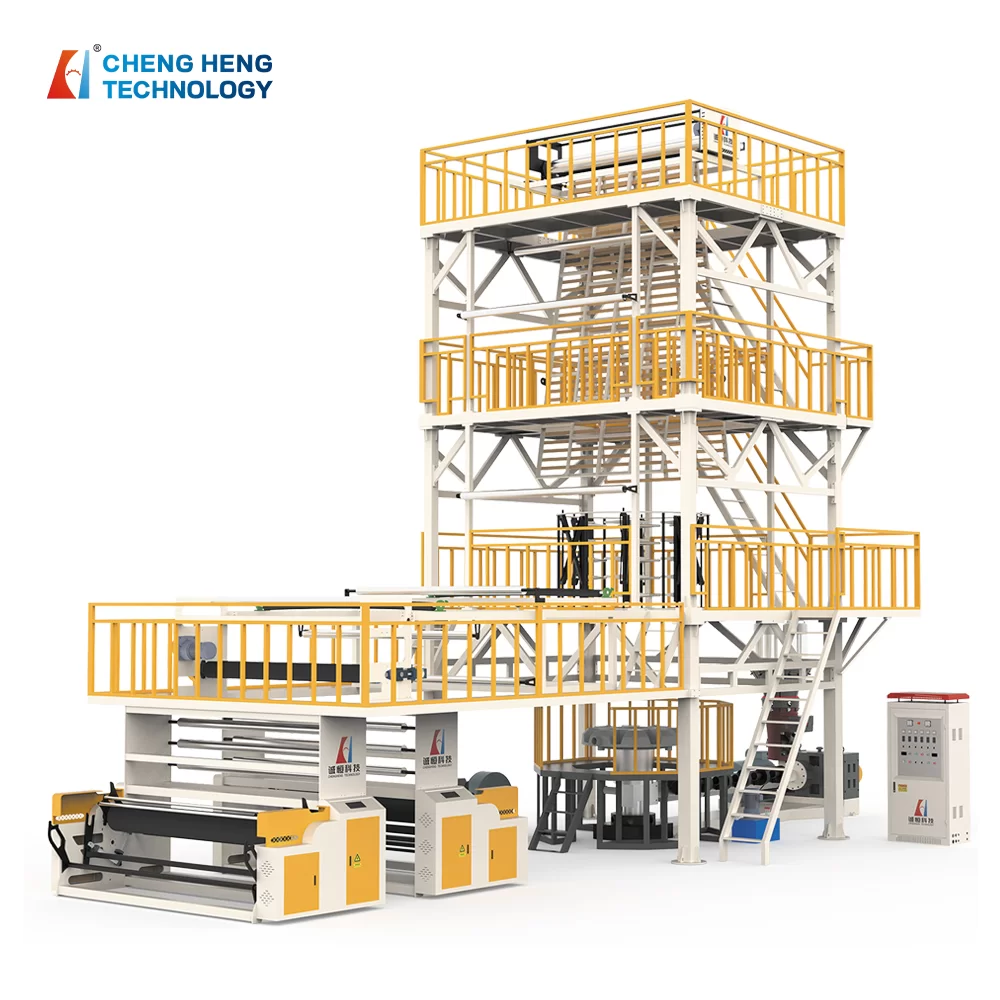
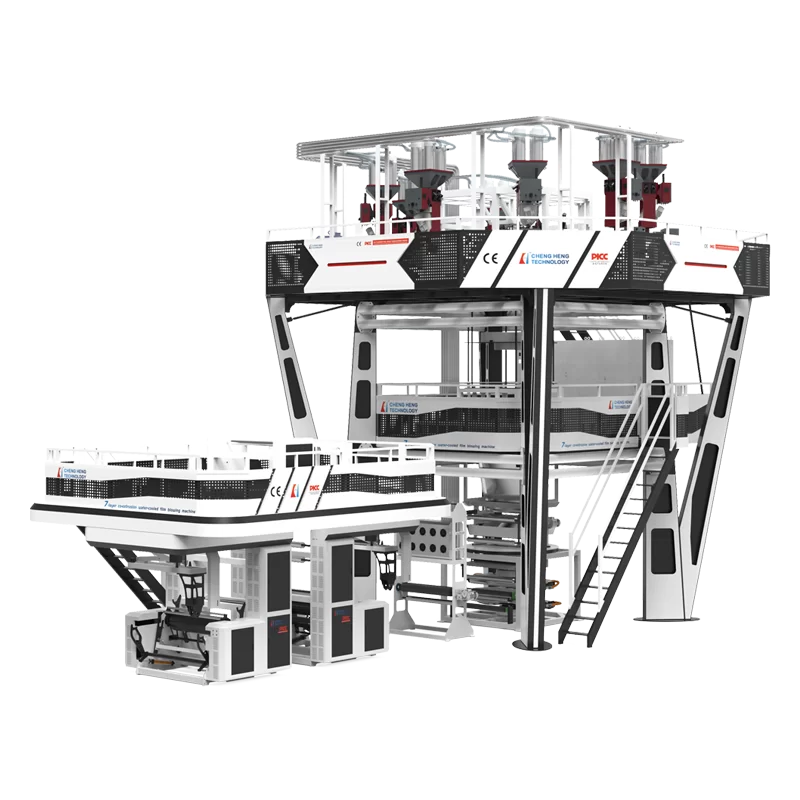
Evolution of Film Extrusion Technology

From manual mechanical controls to AI-driven automated production systems.

Market Development History

During the 1980s and 90s, the US market relied heavily on basic mechanical lown film machine setups focused primarily on volume and thickness. These systems were robust but lacked the precision needed for specialized barrier films.

By the mid-2000s, the industry transitioned toward multi-layer co-extrusion. The introduction of 3-layer and 5-layer blown film production line systems allowed manufacturers to combine different polymers, creating films with superior puncture resistance and oxygen barriers for the food industry.

From 2015 to the present, the focus has shifted toward "Smart Manufacturing." The integration of IoT sensors and closed-loop control systems has transformed the blown film line into a data-driven asset, optimizing gauge control in real-time.

Future Development Trends

Biodegradable Polymer Compatibility

Upcoming shifts will see a massive increase in PLA and PBAT processing capabilities within the blown film extrusion machine to meet US state-level plastic bans.

AI-Powered Quality Inspection

Integration of high-speed cameras and AI algorithms directly into the production line to detect bubbles or gels instantaneously, reducing scrap rates.

Hyper-Efficient Thermal Management

Implementation of induction heating and advanced insulation to cut energy consumption by another 20% in large-scale US factories.

Industry Trends and Future Outlook

Strategic forecasting for the North American flexible packaging equipment market.

Circular Economy Integration
Upgrading machinery to handle 100% recycled pellets without compromising film clarity or strength.
Precision Gauge Control
Implementing laser-based thickness monitoring to reduce material waste in high-speed production.
Modular Line Design
Switching to modular components for faster upgrades and reduced installation time in US plants.
Smart Energy Grids
Integration with smart power grids to optimize machinery operation during off-peak energy hours.

Industry Outlook

The US flexible packaging market is projected to grow through the integration of sustainable polymers. We anticipate a shift where a film blowing machine will no longer be judged solely by its output speed, but by its "carbon footprint per kilogram" of film produced.

As digitalization accelerates, the convergence of mechanical engineering and cloud computing will allow US manufacturers to manage multiple blown film production line installations from a single centralized dashboard, ensuring global quality standards.

Local Application Scenarios in the United States

Tailored extrusion solutions for diverse US industrial requirements.

01. Agricultural Greenhouse Film Production in California

Utilizing heavy-duty blown film extrusion machine systems to create UV-resistant, high-tensile films specifically designed for the extreme solar exposure of the Central Valley.

02. E-commerce Shipping Bag Manufacturing in Texas

Deploying high-speed blown film line setups to produce low-density polyethylene (LDPE) mailers that meet the high-volume throughput demands of US logistics giants.

03. Medical Grade Sterile Packaging in New Jersey

Implementing ultra-clean, multi-layer film blowing machine configurations to produce medical-grade barrier films that meet FDA sterility and safety standards.

04. Industrial Liners for Waste Management in Ohio

Using reinforced lown film machine technology to produce thick, puncture-resistant liners for industrial waste and landfill applications.

05. Sustainable Food Wrap Production in Washington State

Integrating compostable resin processing into a blown film production line to serve the growing eco-conscious consumer market in the Pacific Northwest.

Brand Story

Global Development History of Machi Intelligent Technology Hebei Co., Ltd.

Foundational Engineering

Established with a mission to solve the core instability of film thickness in traditional extrusion, focusing on precision screw design.

Technological Breakthrough

Developed patented air-ring cooling systems that significantly increased the production speed of high-clarity films.

Global Market Expansion

Expanded footprint into the North American market, adapting machinery to meet UL and ASME safety standards for US factories.

Intelligence Integration

Launched the "Smart-Line" series, incorporating AI-driven thickness control and remote monitoring for global clients.

Sustainability Leadership

Currently leading the industry in biodegradable film technology, helping US partners transition to a zero-waste future.

Common Questions for US Manufacturers

Expert answers regarding the installation and operation of blown film systems in North America.

How does a blown film extrusion machine handle PCR recycled materials?

Our machines utilize advanced degassing systems and specialized screw geometries to remove volatiles and ensure a homogenous melt, preventing defects in recycled film.

What is the average lead time for a blown film production line installation in the US?

Depending on customization, the timeline typically ranges from 8 to 14 weeks, including shipping, customs clearance, and on-site commissioning by our engineers.

Do your film blowing machine units comply with US electrical safety standards?

Yes, all our systems are engineered to meet the specific voltage and safety requirements of the North American grid, including UL-certified components.

How can I reduce energy costs when operating a blown film line?

We recommend utilizing our energy-saving AC motors and high-efficiency heating elements, which can reduce power consumption by up to 15% compared to older models.

What is the difference between a standard lown film machine and a multi-layer line?

A standard machine produces a single-layer film, whereas multi-layer lines can combine different resins to create superior barrier properties for food and medical use.

What maintenance is required for a blown film production line to avoid downtime?

Regular calibration of the air ring, cleaning of the die head, and monthly checks of the heating bands are essential for maintaining gauge consistency.

Ready to Upgrade Your Production?

Consult with our technical experts to optimize your plastic extrusion facility in the United States.

Contact Us Now