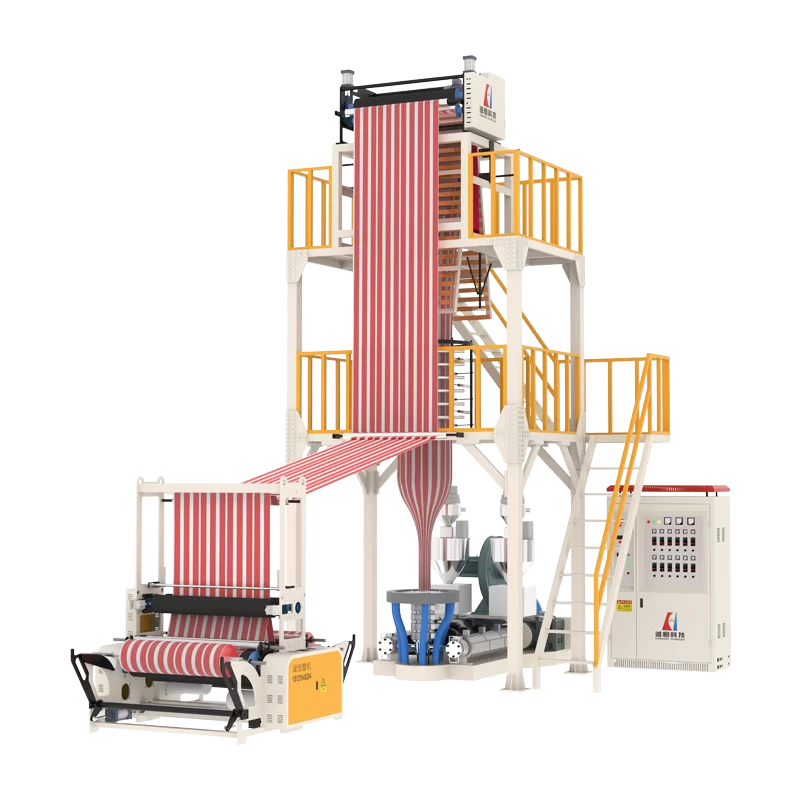
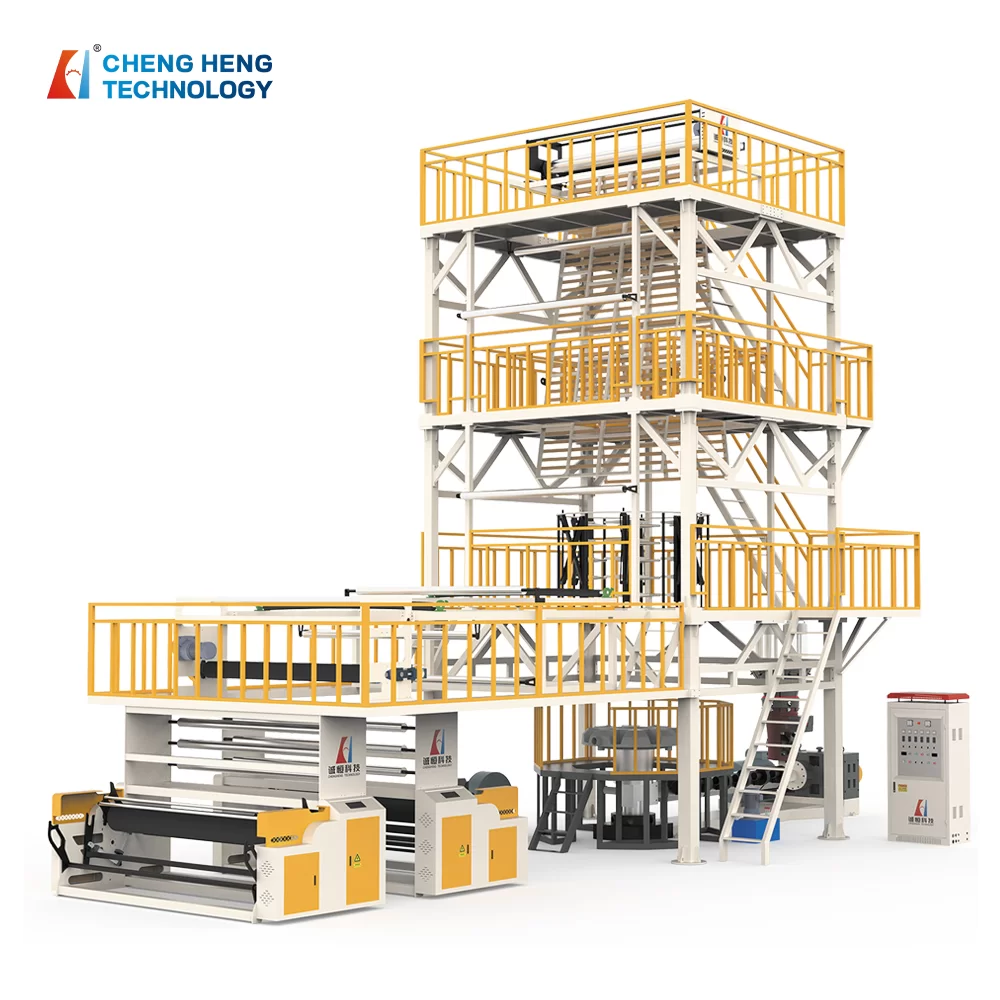
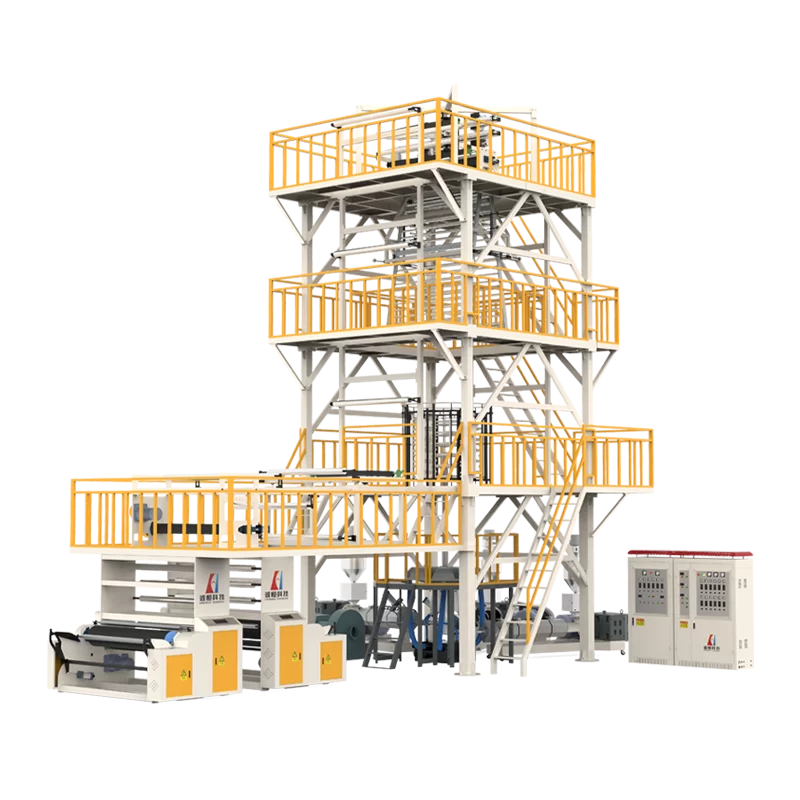
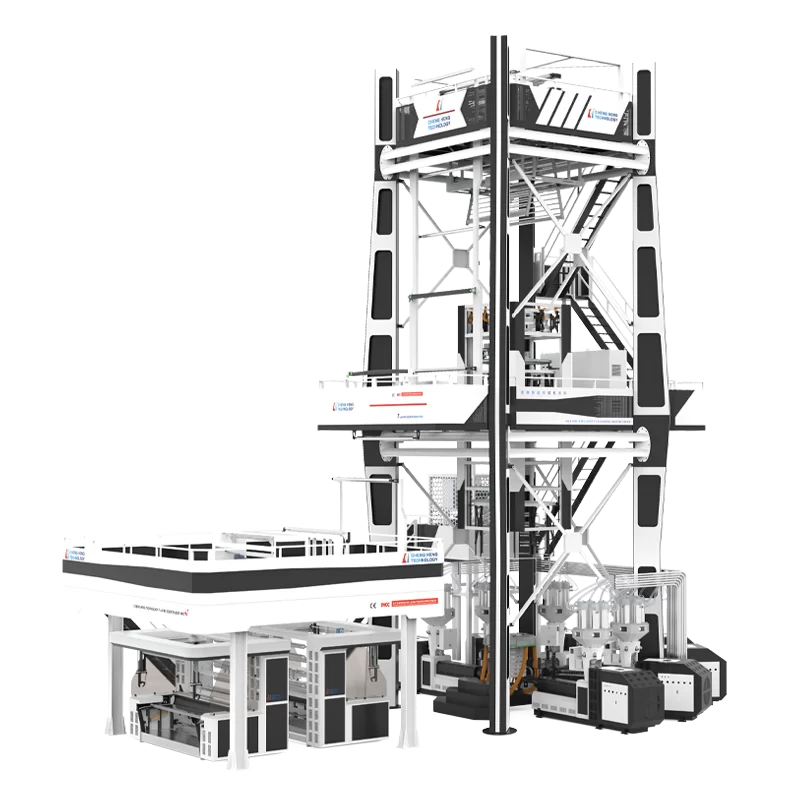
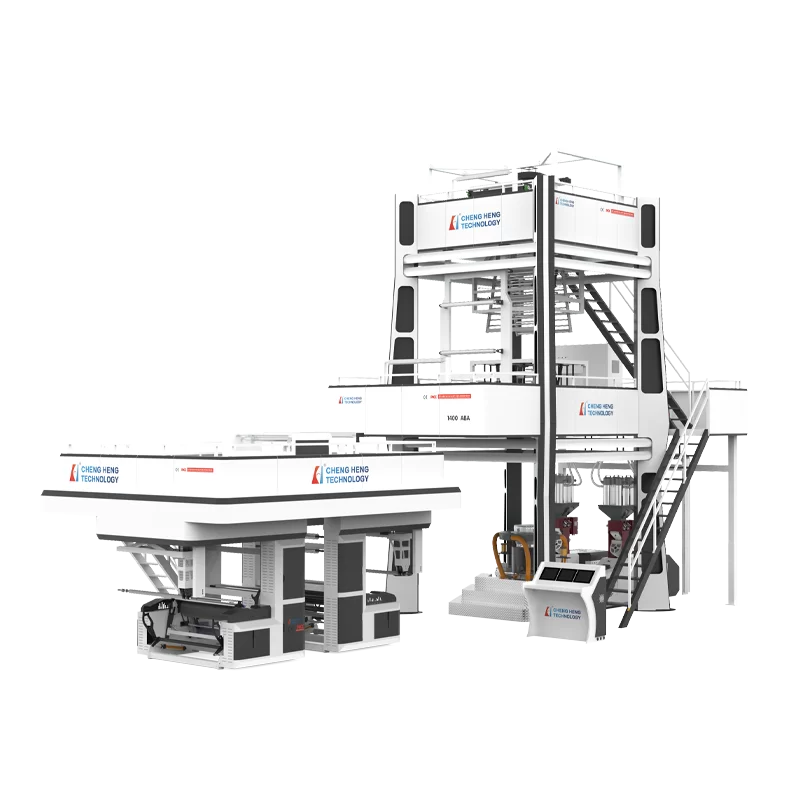
High-Performance blown film production line Solutions for Canada

Empowering Canadian plastic manufacturers with precision engineering, energy efficiency, and sustainable extrusion technology to dominate the North American packaging market.

High-Performance blown film production line Solutions for Canada

Our advanced blown film systems are engineered to meet the rigorous industrial standards of Canada, providing unmatched stability for high-volume polyethylene film production.

The State of Plastic Film Extrusion in Canada

Analyzing the intersection of Canadian environmental regulations and industrial demand for high-barrier films.

The Canadian manufacturing landscape is currently transitioning toward a circular economy. For operators of a film blowing machine, this means a critical shift from virgin LDPE to PCR (Post-Consumer Recycled) resins. Canada's strict environmental mandates are driving the need for machinery that can handle inconsistent recycled material without compromising film clarity or strength.

Geographically, the vast Canadian territory requires logistics-grade packaging that can withstand extreme temperature fluctuations, from Atlantic winters to Prairie summers. This necessitates a blown film line capable of producing multi-layer films with superior puncture resistance and thermal stability.

Economically, the rise in labor costs across Ontario and Quebec has pushed local factories to invest in high-automation blown film extrusion machine systems. The focus has shifted from simple capacity to "intelligent yield," where minimized waste and energy-saving motors are the primary KPIs for operational success.
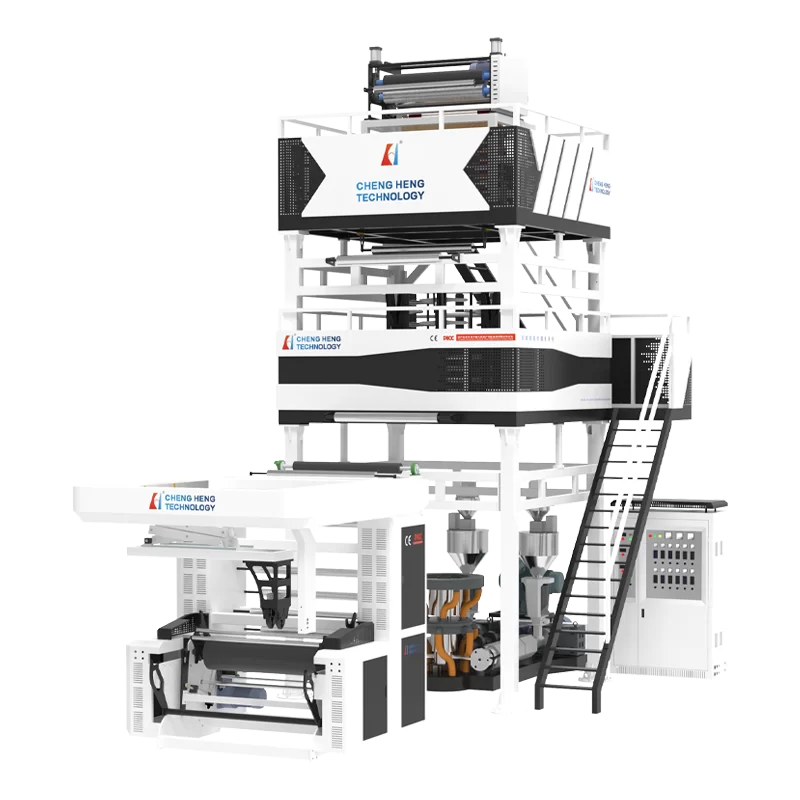
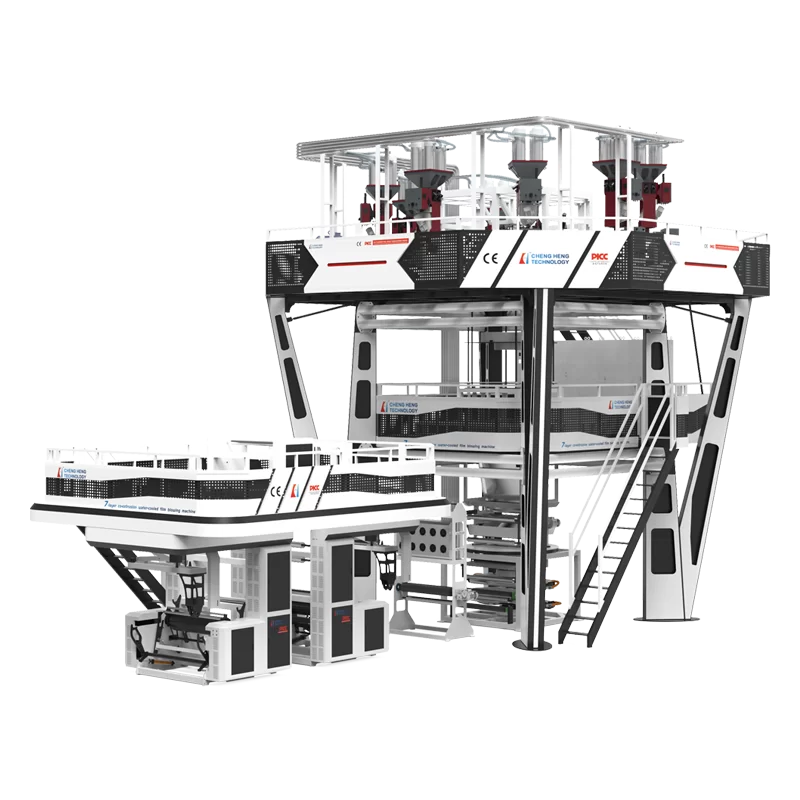
Evolution of Film Production Technology in Canada

From manual controls to Industry 4.0: The trajectory of Canadian plastic processing.

Market Development History

In the late 20th century, the Canadian market relied heavily on basic single-screw lown film machine setups. These machines were focused on bulk output for agricultural mulch and basic shopping bags, with minimal control over gauge variation.

Between 2010 and 2020, the industry saw a rapid iteration toward three-layer and five-layer co-extrusion. This allowed Canadian producers to incorporate barrier resins, significantly reducing the overall plastic weight while maintaining the structural integrity required for food-grade packaging.

Today, the integration of PLC synchronization and servo-driven winders has transformed the standard blown film production line into a precision instrument, enabling "just-in-time" production cycles that align with the lean manufacturing trends in North American hubs.

Future Development Trends

Biodegradable Polymer Integration

Driven by Canadian federal bans on single-use plastics, the next 3 years will see a surge in machines optimized for PLA and PBAT materials, requiring specialized screw designs to prevent thermal degradation.

AI-Driven Gauge Control

The adoption of closed-loop automatic thickness control systems will become standard, utilizing infrared sensors to adjust the air ring in real-time, eliminating human error in film thickness.

Energy-Efficient Hybrid Drives

With rising energy costs in Canada, the shift toward AC synchronous motors and energy-recovery systems will be the primary driver for upgrading old extrusion lines to reduce carbon footprints.

Future Trends & Strategic Outlook

Mapping the technological frontier for the Canadian blown film industry.

Circular Economy Focus
Integration of advanced degassing systems to allow higher percentages of recycled content in the blown film line.
Smart Automation
Implementation of IoT sensors for predictive maintenance on the film blowing machine to reduce unplanned downtime.
Ultra-Thin Technology
Developing high-precision blown film extrusion machine systems to produce 10-micron films for reduced plastic usage.
Multi-Layer Co-Ex
Expanding from 3-layer to 7-layer co-extrusion to meet sophisticated barrier requirements for Canada's food export sector.

Industry Outlook

Looking ahead, the Canadian market will see a convergence of "Green Tech" and "Smart Tech." The demand for lown film machine technology will shift toward those that offer modularity, allowing factories to switch between different resin types (Bio-based vs. Petroleum-based) with minimal downtime.

Google Search trends indicate a rising interest in "compostable film production" and "energy-efficient extrusion" within North America. We predict that within 5 years, the ability to track the carbon footprint of every kilogram of film produced will be a mandatory requirement for Canadian industrial certifications.

Local Application Scenarios in Canada

Tailored plastic blowing solutions for diverse Canadian industries.

1. Agricultural Greenhouse Films in Alberta

Utilizing a specialized blown film production line to create UV-stabilized, high-strength polyethylene films that protect crops from extreme temperature swings in the Prairies.

2. Industrial Stretch Wrap for Ontario Logistics

Deploying high-output film blowing machine systems to produce high-clarity, high-stretch LLDPE films used by Canada's largest distribution centers in the GTA.

3. Food-Grade Barrier Packaging in Quebec

Applying multi-layer blown film extrusion machine technology to produce high-barrier films for the dairy and meat processing industries, ensuring freshness and compliance with CFIA standards.

4. Biodegradable Shopping Bags for Vancouver

Implementing a customized lown film machine optimized for PBAT/PLA blends to meet British Columbia's aggressive zero-waste and plastic-free initiatives.

5. Heavy-Duty Construction Films for Newfoundland

Using a robust blown film line to manufacture thick, puncture-resistant vapor barriers used in residential and commercial construction across Atlantic Canada.

Brand Story

Global Development Journey of Maqi Intelligent Technology Hebei Co., Ltd.

Foundation of Precision

Started with a vision to solve the instability of film thickness in traditional extrusion, we focused on the core mechanics of screw design and air-ring precision.

Technological Breakthrough

We pioneered the integration of intelligent PLC controls, reducing material waste by 15% and setting a new benchmark for energy efficiency in plastic machinery.

North American Expansion

Recognizing the need for high-barrier films in Canada and the USA, we localized our engineering support to provide rapid deployment and maintenance services.

Commitment to Sustainability

We shifted our R&D focus toward PCR and biodegradable polymer processing, helping our clients transition to a circular economy without losing productivity.

Industry Leadership

Today, we stand as a global leader in specialized plastic equipment, known for solving the toughest challenges in the blown film extrusion sector.

Complete Blown Film Product Portfolio for Canada

A comprehensive range of extrusion solutions from entry-level lines to fully automated industrial plants.

Canadian Customer FAQ

Expert answers to common technical and operational questions regarding film extrusion in Canada.

How does a blown film production line handle PCR resins in cold climates?

Our lines feature advanced heating zones and specialized screw geometries that ensure uniform melting of recycled resins, even when the factory environment is cold, preventing "unmelts" and film bubbles.

What is the energy consumption of a modern film blowing machine?

By utilizing inverter-driven motors and high-efficiency heating elements, our latest machines reduce energy consumption by up to 20% compared to older Canadian industrial standards.

Can a blown film extrusion machine produce compostable films?

Yes, we provide a dedicated "Eco-Series" with low-shear screws and precise temperature control specifically designed for PLA and PBAT polymers used in biodegradable packaging.

What is the typical lead time for a blown film line installation in Canada?

Lead times vary by configuration, but we provide a streamlined process including remote installation guidance and on-site commissioning to ensure rapid startup.

How do I maintain a lown film machine to ensure consistent gauge?

Regular calibration of the air ring and ensuring the stability of the bubble guide are key. We recommend integrating our automatic thickness control system for zero-manual adjustment.

Does your equipment comply with Canadian electrical standards?

Absolutely. All our machines exported to Canada are configured with components that meet local voltage and safety requirements, including CSA-compliant wiring options.

Get Your Custom Extrusion Solution

Ready to upgrade your production capacity? Our engineers are available to design the perfect system for your facility in Canada.

Contact Us Now