
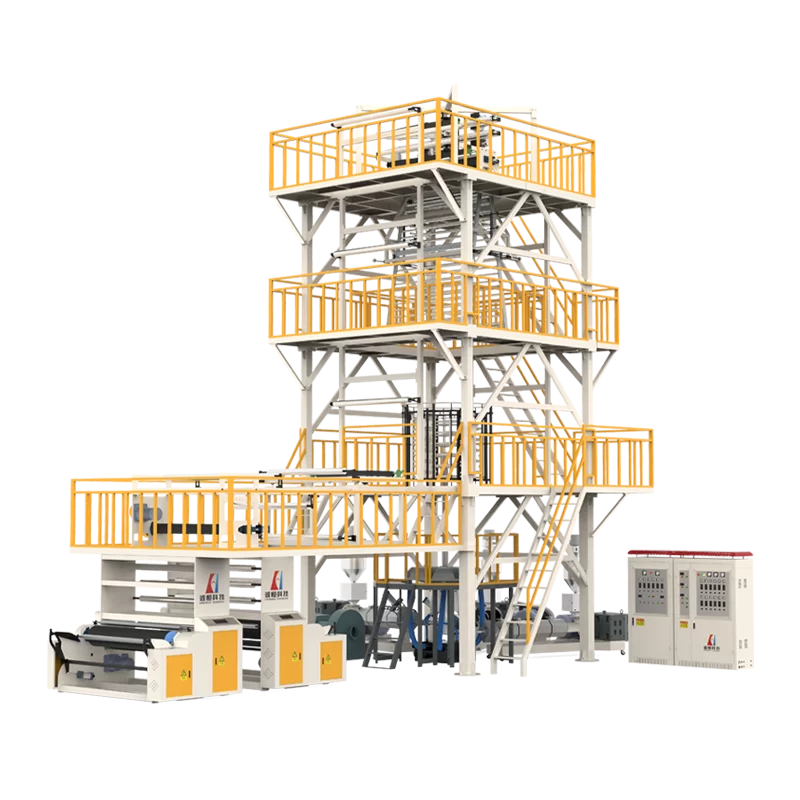
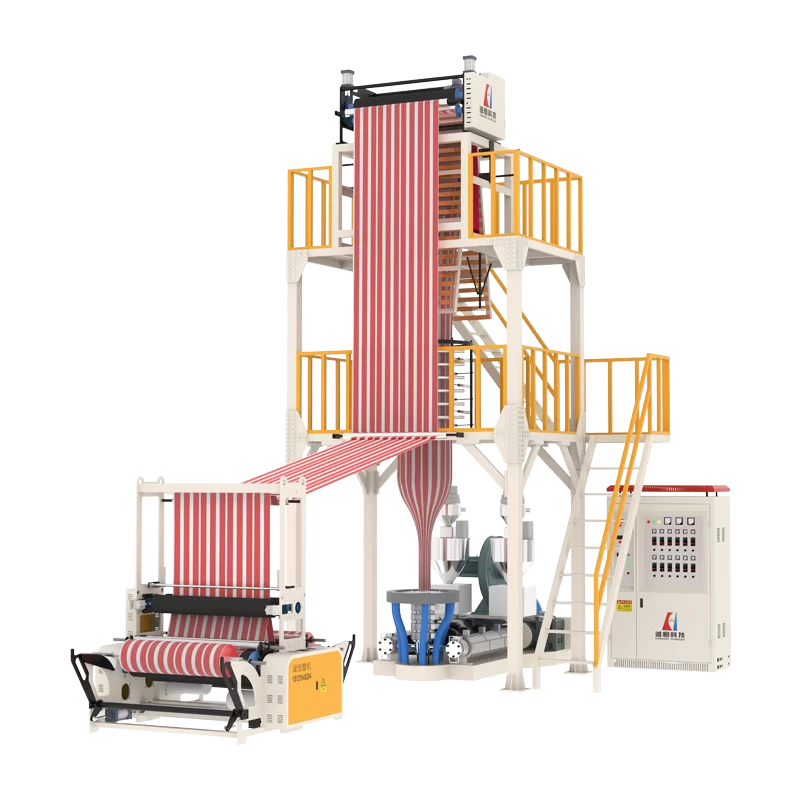
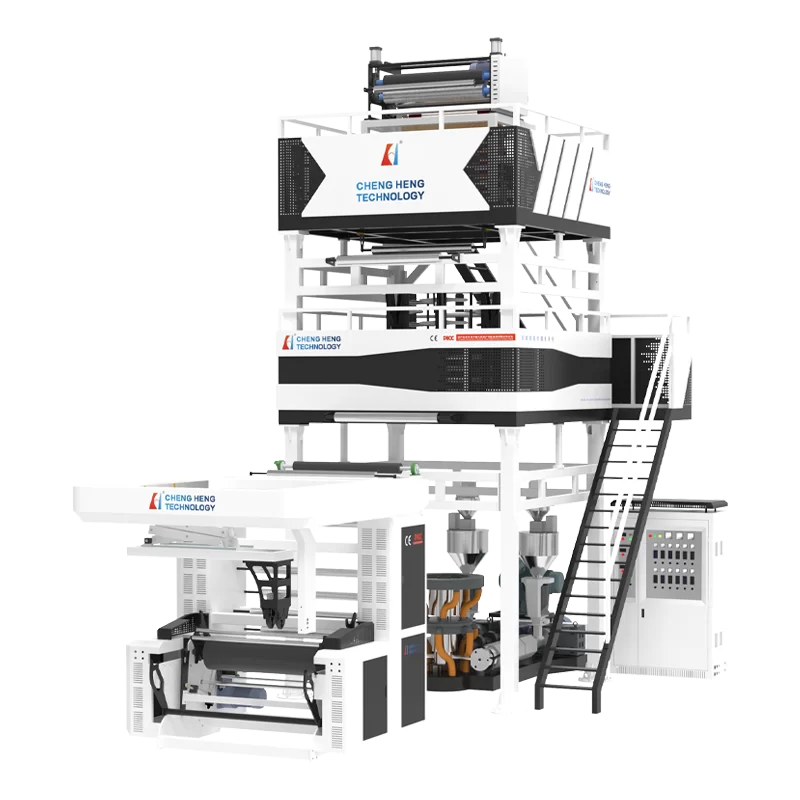
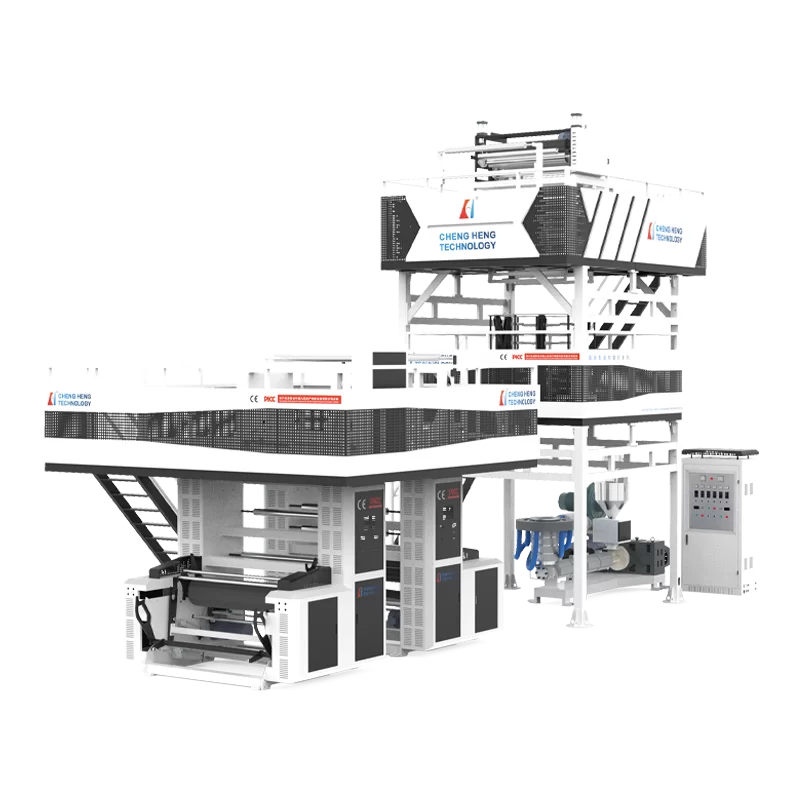
Advanced Plastic Packaging Solutions: High-Efficiency blown film production line for Uganda Market

Empowering Ugandan manufacturers with precision extrusion technology to drive the local packaging industry forward through sustainable and high-output machinery.

Advanced Plastic Packaging Solutions: High-Efficiency blown film production line for Uganda Market

Integrating cutting-edge extrusion technology with local market demands in Uganda to provide robust, energy-efficient, and high-performance plastic film manufacturing systems.

Analyzing the Plastic Extrusion Landscape in Africa - Uganda

Understanding the operational challenges and opportunities for the film blowing machine industry in the Pearl of Africa.

Uganda's manufacturing sector is currently experiencing a surge in demand for flexible packaging, driven by the growth of the agricultural and FMCG sectors. However, many local factories still rely on outdated equipment that suffers from high energy consumption and inconsistent film thickness, making the adoption of a modern blown film line essential for competitiveness.

The tropical climate of Uganda presents unique challenges for thermal stability in extrusion. High humidity and ambient temperature fluctuations often affect the cooling process of the bubble, requiring advanced air-ring designs in a blown film extrusion machine to ensure the physical properties of the PE film remain stable.

Economically, there is a strong shift toward localizing production to reduce reliance on expensive imports. By investing in a high-performance lown film machine, Ugandan entrepreneurs are now capable of producing high-quality shopping bags, agricultural mulch films, and industrial liners that meet international standards.
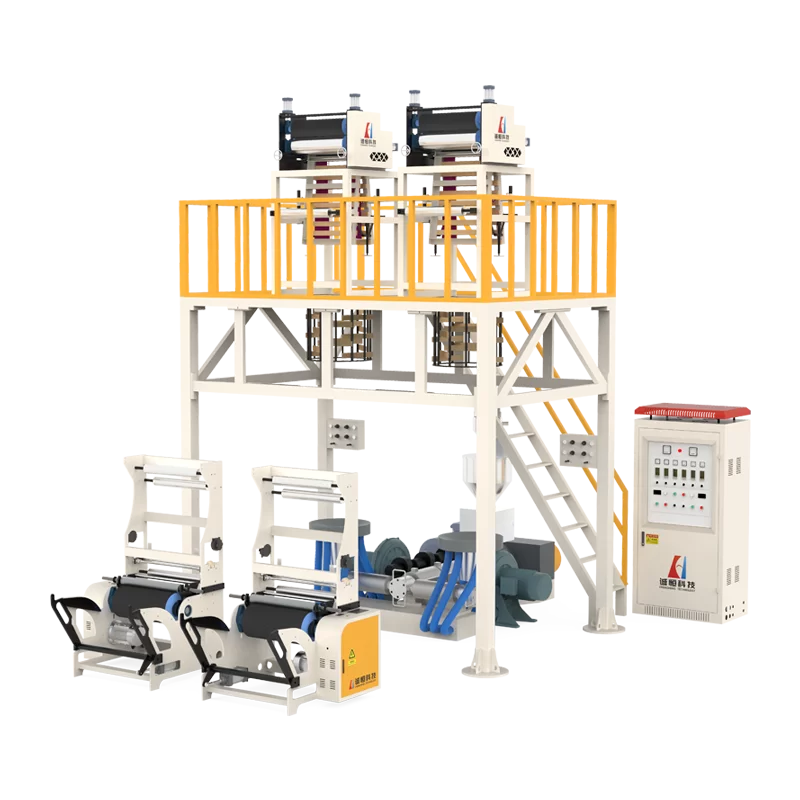
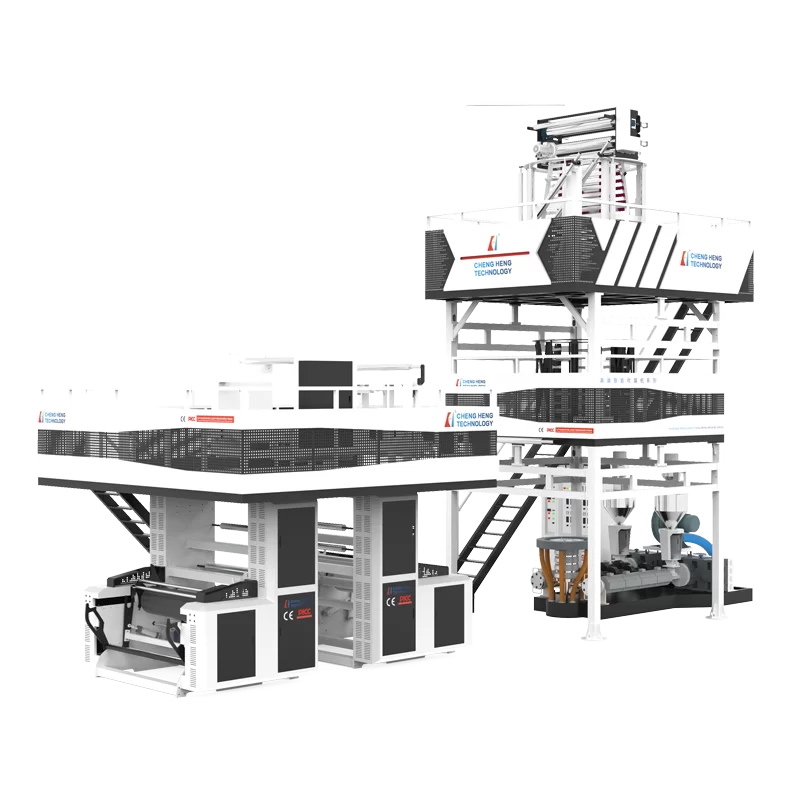
Evolution and Technical Trajectory of Blown Film Technology

From manual controls to intelligent automation: The journey of plastic film production.

Market Development History

In the early 2000s, the Ugandan market was dominated by basic, single-screw extruders with manual temperature controls. These early versions of the film blowing machine produced thick, non-uniform films with high scrap rates, primarily serving small-scale local vendors.

Between 2010 and 2020, the industry transitioned toward semi-automated systems. The introduction of PID temperature controllers and improved screw designs allowed for the production of thinner, stronger films, marking the rise of the professional blown film production line in industrial hubs like Kampala.

Currently, the market is entering the era of "Smart Extrusion." Modern lines now incorporate PLC touchscreens, automatic bubble control, and energy-saving motors, transforming the traditional blown film line into a data-driven production center focused on material optimization.

Future Development Trends

Integration of Biodegradable Materials

Driven by environmental regulations in East Africa, the next 3 years will see a massive shift toward machines capable of processing PLA and PBAT resins, requiring specialized screw geometries in the blown film extrusion machine.

Energy Efficiency and Power Stability

To combat power fluctuations in regional grids, future machinery will integrate advanced voltage stabilizers and high-efficiency heating elements to reduce the operational cost of the lown film machine.

Multi-layer Co-extrusion Technology

There is a growing trend toward 3-layer and 5-layer films to provide better barrier properties for food preservation, pushing the industry toward more complex blown film production line configurations.

Strategic Industry Outlook for Uganda's Plastic Sector

Projecting the technical shifts and market demands for the next five years.

Eco-Friendly Transition
Shift toward oxo-biodegradable and compostable films to align with Ugandan environmental policies.
Automation Integration
Implementation of IoT-enabled sensors for real-time monitoring of film thickness and output.
Material Diversification
Increasing use of recycled HDPE and LDPE resins to lower raw material costs in Uganda.
High-Barrier Packaging
Development of specialty films for the Ugandan pharmaceutical and beverage industries.

Industry Outlook

Based on current search trends and industrial growth in East Africa, the demand for customized film solutions is expected to grow by 15% annually. The focus is shifting from "quantity" to "quality," where manufacturers prioritize film clarity and tensile strength to compete with imported packaging.

The integration of AI-driven quality control will likely become the standard for top-tier Ugandan factories, allowing for zero-defect production and minimizing the environmental footprint of plastic waste during the startup phase of a blown film extrusion machine.

Localized Application Scenarios in Uganda

How our machinery solves real-world packaging challenges across various Ugandan industries.

01. Agricultural Mulch Film Production

Providing the Ugandan farming sector with UV-resistant mulch films to conserve soil moisture and suppress weeds, produced using a specialized blown film line.

02. Retail Shopping Bag Manufacturing

Supplying Kampala's retail markets with high-strength HDPE T-shirt bags through high-speed film blowing machine setups.

03. Food-Grade Packaging for FMCGs

Creating hygienic, food-safe LDPE wraps for Uganda's growing processed food industry using precision-controlled blown film production line systems.

04. Industrial Garbage Bag Production

Producing heavy-duty, leak-proof waste liners for municipal and medical use across Uganda via robust blown film extrusion machine units.

05. Greenhouse Cover Films

Manufacturing durable, weather-resistant greenhouse plastics to support Uganda's horticulture exports, utilizing a high-diameter lown film machine.

Brand Story

Global Development Journey of Maqi Intelligent Technology Hebei Co., Ltd.

Foundation and Vision

Started with a mission to democratize high-end extrusion technology, focusing on solving the instability issues in early-stage plastic film production.

Technical Breakthroughs

Developed patented screw designs that significantly reduced energy consumption, making our machinery ideal for markets with high power costs.

Global Market Expansion

Successfully entered the African market, establishing a reputation for durability and reliability in challenging environmental conditions.

Commitment to Sustainability

Pivoted research toward biodegradable polymer processing to help global clients meet strict environmental regulations.

Industry Leadership

Today, we stand as a leading provider of intelligent plastic machinery, combining AI automation with rugged industrial engineering.

Complete Product Portfolio for the Uganda Market

From entry-level machines to fully automated industrial lines tailored for Ugandan production needs.

Common Questions for Blown Film Production in Uganda

Expert answers to the most frequent technical and operational queries from our Ugandan clients.

How to choose the right film blowing machine for the Ugandan climate?

You should prioritize machines with advanced air-cooling rings and high-efficiency fans to compensate for high ambient temperatures, ensuring bubble stability and film clarity.

Can a blown film production line process recycled plastics in Uganda?

Yes, our lines are equipped with reinforced screws and degassing systems specifically designed to handle recycled HDPE/LDPE pellets without compromising film strength.

What is the typical power requirement for a blown film extrusion machine?

Requirements vary by capacity, but we offer energy-saving models with inverter-driven motors to minimize electricity costs and handle voltage fluctuations common in regional grids.

How long does it take to set up a full blown film line from installation to production?

With our standardized modular design, installation and commissioning typically take 7-14 days, including operator training on-site or via remote guidance.

Is the lown film machine suitable for producing biodegradable bags?

Absolutely. Our machines can be customized with specific temperature zones and screw profiles to process PLA/PBAT materials for eco-friendly packaging.

What maintenance is required for a blown film production line in high-humidity areas?

Regular lubrication of moving parts and ensuring the electrical cabinets are sealed against humidity are key. We provide a comprehensive maintenance schedule for African climates.

Ready to Upgrade Your Production?

Contact our technical team today for a customized quotation and consultation for your facility in Uganda.

Contact Us Now