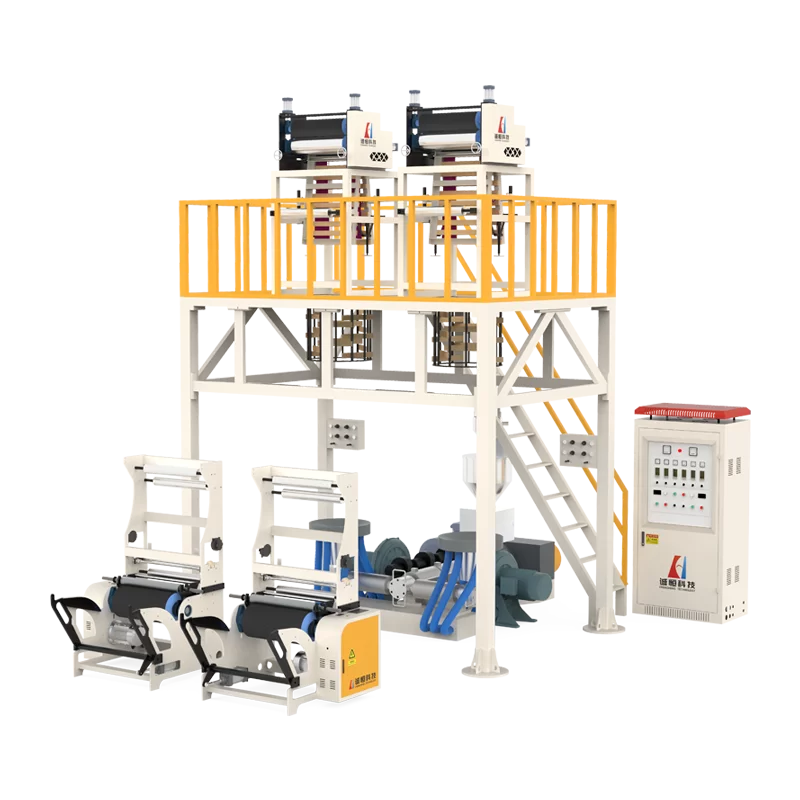
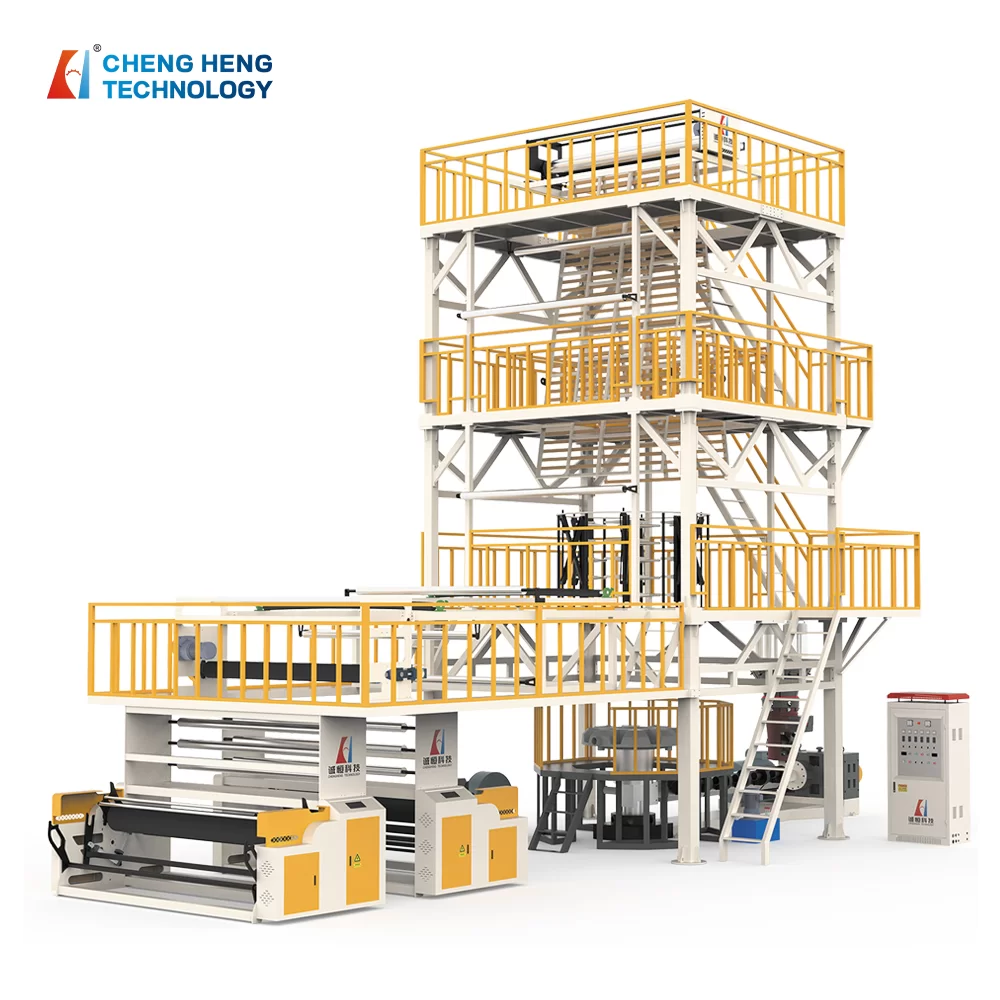
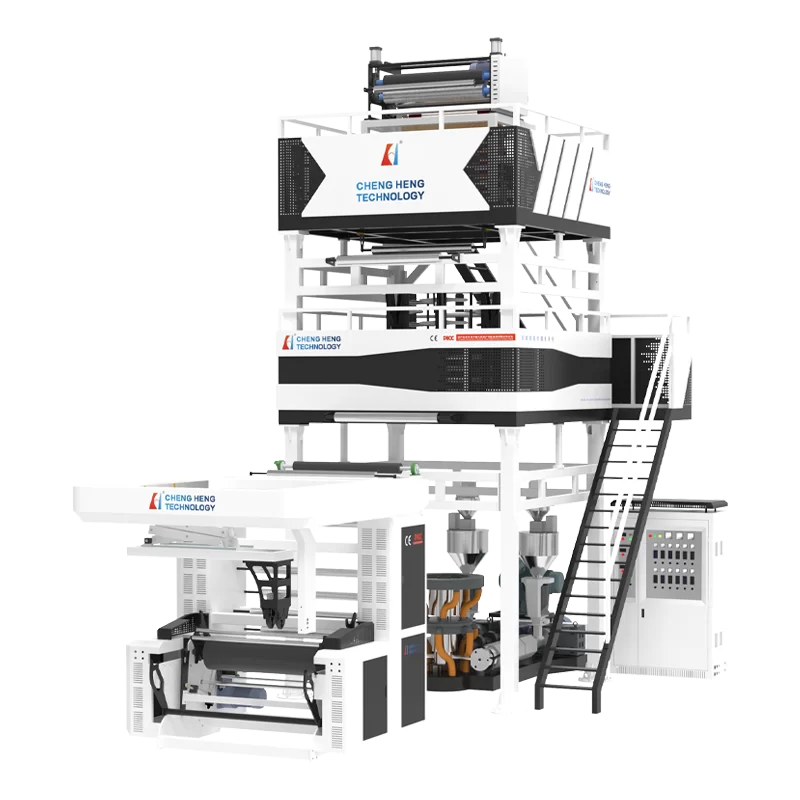
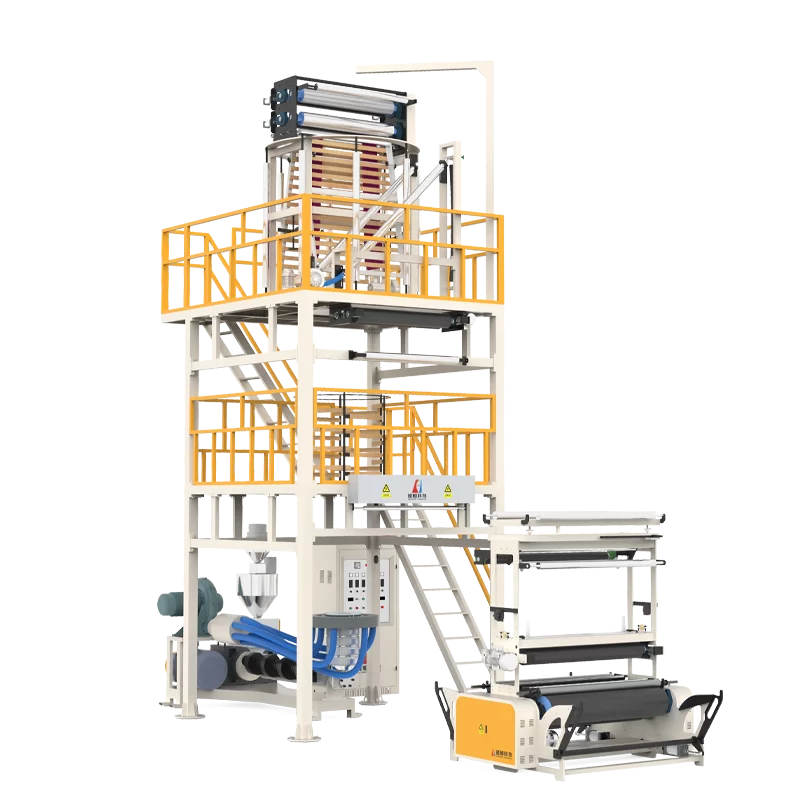
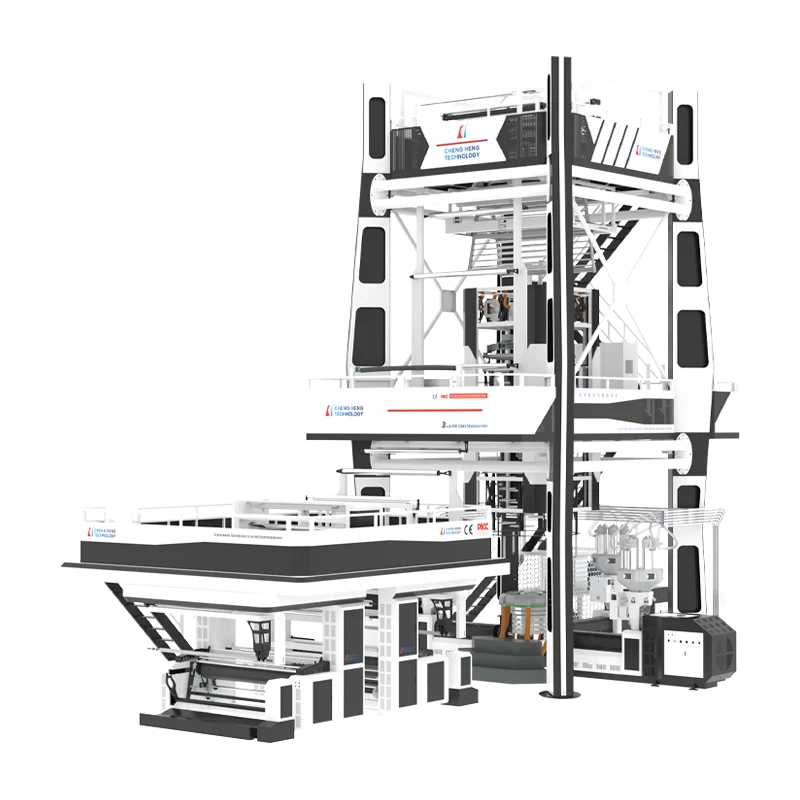
Advanced Blown Film Production Line Solutions for Zimbabwe's Industrial Growth

High-efficiency plastic extrusion technology engineered to empower Zimbabwe's packaging sector with durability and precision.

Advanced Blown Film Production Line Solutions for Zimbabwe's Industrial Growth

Integrating cutting-edge blown film extrusion machine technology to optimize plastic film manufacturing across Zimbabwe, focusing on energy efficiency and material versatility.

Current Landscape of Plastic Film Manufacturing in Zimbabwe

Analyzing the operational challenges and opportunities within the Zimbabwean plastic processing sector.

In Zimbabwe, the demand for flexible packaging is surging due to the expansion of the agricultural and retail sectors. However, many local factories still rely on legacy equipment, making the adoption of a modern blown film line essential for maintaining competitiveness and reducing waste.

The regional climate, characterized by significant temperature fluctuations, puts immense pressure on machine cooling systems. This necessitates a film blowing machine with reinforced thermal stability and efficient air-ring cooling to ensure bubble stability during high-output cycles.

Economic volatility in Zimbabwe has led manufacturers to prioritize versatility. There is a growing trend toward machines capable of processing recycled HDPE and LDPE, driving the shift toward a multi-functional lown film machine that can handle varied resin grades without frequent downtime.
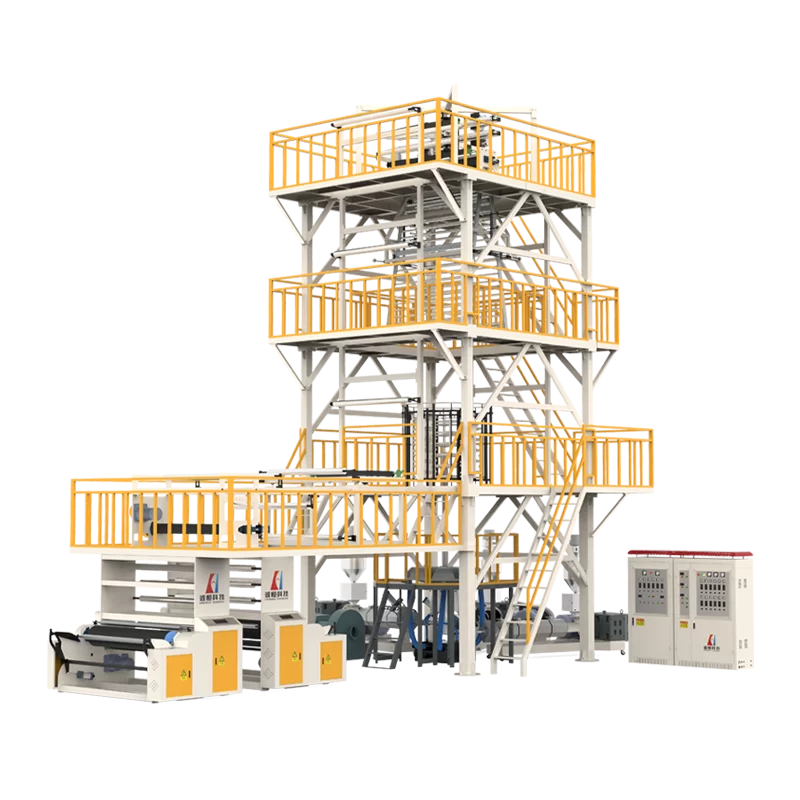
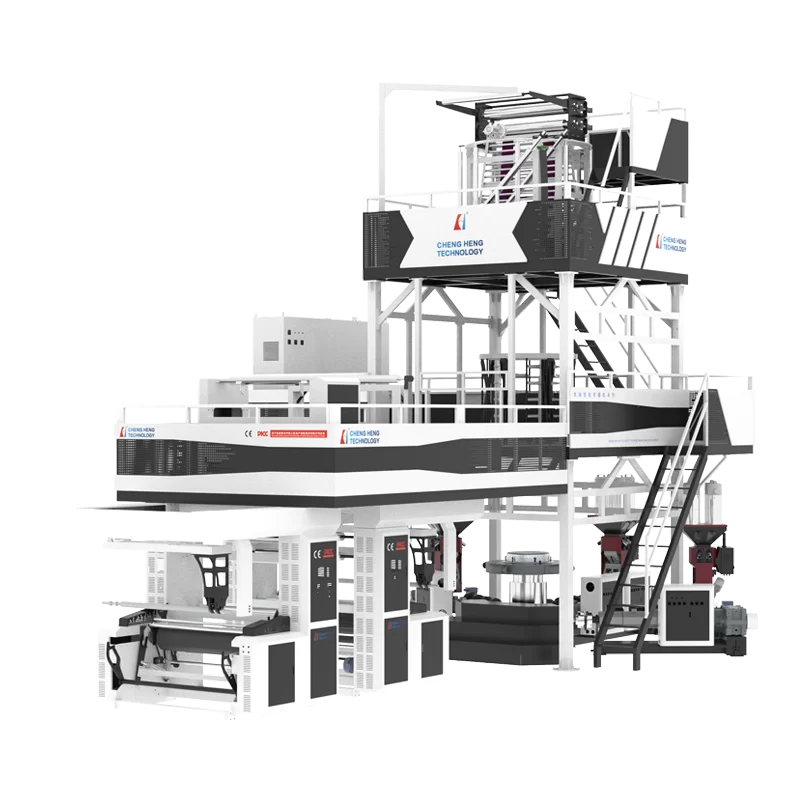
Evolution and Technical Trajectory of Film Extrusion

From manual control to intelligent automation in plastic film production.

Market Development History

In the early 2000s, Zimbabwe's industry relied on basic, single-screw extrusion systems. These early iterations of the blown film line offered limited thickness control and high energy consumption, suitable only for simple agricultural bags.

Between 2010 and 2020, the introduction of PLC-controlled systems revolutionized the market. The blown film production line evolved to include automatic bubble control and precision winding, allowing for the production of high-clarity industrial shrink films.

Currently, the industry is entering the era of "Smart Extrusion." Modern blown film extrusion machine units now feature IoT integration, allowing operators to monitor melt pressure and temperature in real-time to eliminate defects.

Future Development Trends

Biodegradable Polymer Integration

Driven by global environmental policies, the next 3 years will see a spike in machines capable of processing PLA and PBAT materials to reduce plastic pollution in Southern Africa.

Ultra-Thin High-Strength Gauges

Google search trends indicate a growing demand for "down-gauging." Future lines will focus on producing thinner films with higher puncture resistance to lower material costs.

AI-Driven Energy Optimization

To combat power instability in Zimbabwe, future equipment will utilize AI to optimize heating cycles, reducing electricity consumption by up to 20%.

Industry Trends and Future Outlook

Strategic foresight for the plastic processing industry in Zimbabwe.

Circular Economy Shift
Transitioning toward high-percentage PCR (Post-Consumer Recycled) resin processing to meet sustainable goals.
Multi-Layer Co-extrusion
Moving from single-layer to 3-layer or 5-layer films to enhance barrier properties for food packaging.
Automation Integration
Implementing automatic roll change and winding systems to reduce labor costs and human error.
Energy-Efficient Heating
Adopting ceramic heaters and induction heating to stabilize output during voltage drops.

Industry Outlook

The Zimbabwe plastic market is shifting toward specialized, high-value films. We anticipate that manufacturers who invest in a precision film blowing machine will dominate the local market by producing medical-grade and high-barrier food packaging.

Furthermore, the integration of sustainable materials will not just be an option but a regulatory requirement. The industry is moving toward a model where the blown film production line acts as a closed-loop system, recycling scrap in real-time.

Localized Application Scenarios in Zimbabwe

Tailored plastic film solutions for Zimbabwe's diverse economic sectors.

01. Agricultural Mulch Film Production

Utilizing a high-output blown film line to produce UV-stabilized mulch films for Zimbabwe's commercial farms, reducing water evaporation and weed growth.

02. Retail Shopping Bag Manufacturing

Implementing a versatile lown film machine to create heavy-duty HD-PE carrier bags for urban supermarkets in Harare and Bulawayo.

03. Food-Grade Packaging for Export

Employing a multi-layer blown film extrusion machine to produce high-barrier films for Zimbabwe's fruit and vegetable exports, ensuring freshness during transit.

04. Industrial Liners for Mining

Deploying a heavy-duty film blowing machine to manufacture thick, chemical-resistant liners used in Zimbabwe's extensive mining tailings ponds.

05. Medical and Pharmaceutical Wrap

Setting up a sterile-grade blown film production line for producing high-clarity, non-toxic wraps for the regional healthcare sector.

Brand Story

Global Development Journey of Maqi Intelligent Technology Hebei Co., Ltd.

Founding Vision

Established with the mission to bridge the gap between complex industrial engineering and user-friendly operation in the plastic extrusion field.

Technical Breakthrough

Pioneered energy-saving screw designs that reduced power consumption by 15% for high-capacity film production lines.

Global Expansion

Extended our footprint into Africa, providing customized machinery that withstands challenging power and climate conditions.

Sustainability Commitment

Launched a series of eco-friendly extrusion lines specifically designed for 100% biodegradable materials.

Industry Leadership

Now recognized as a top-tier provider of intelligent plastic processing solutions, empowering thousands of factories worldwide.

Comprehensive Product Portfolio for Zimbabwe's Market

A full range of extrusion solutions from entry-level to high-end automated systems.

Common Questions for Zimbabwe Plastic Manufacturers

Expert answers to technical and operational queries regarding film extrusion.

How to maintain a blown film extrusion machine during power fluctuations in Zimbabwe?

We recommend installing industrial-grade voltage stabilizers and using machines with "soft-start" technology to protect the motor and heating elements from surges.

Can a lown film machine process 100% recycled plastic waste?

Yes, our specialized recycled-grade lines feature reinforced filtration systems (screen changers) to remove impurities from PCR resin without stopping production.

What is the ideal cooling setup for a film blowing machine in hot climates?

An oversized high-efficiency air ring combined with a chilled water circulation system is essential to maintain bubble stability in Zimbabwe's summer temperatures.

Which blown film production line is best for agricultural mulch film?

A line with precision thickness control and the ability to incorporate UV-stabilizer additives is ideal for producing durable, high-performance mulch films.

How does a multi-layer blown film line improve packaging quality?

Multi-layer lines allow you to combine different polymers (e.g., PE and Nylon) to create a film with superior oxygen and moisture barriers, extending food shelf life.

What are the typical lead times for shipping a blown film line to Zimbabwe?

Typically, manufacturing takes 30-45 days, followed by sea freight to the nearest port, with total delivery usually ranging between 60 to 90 days.

Ready to Upgrade Your Production?

Our engineering team is ready to deploy high-performance plastic extrusion solutions tailored for the industrial needs of Zimbabwe.

Contact Us Now