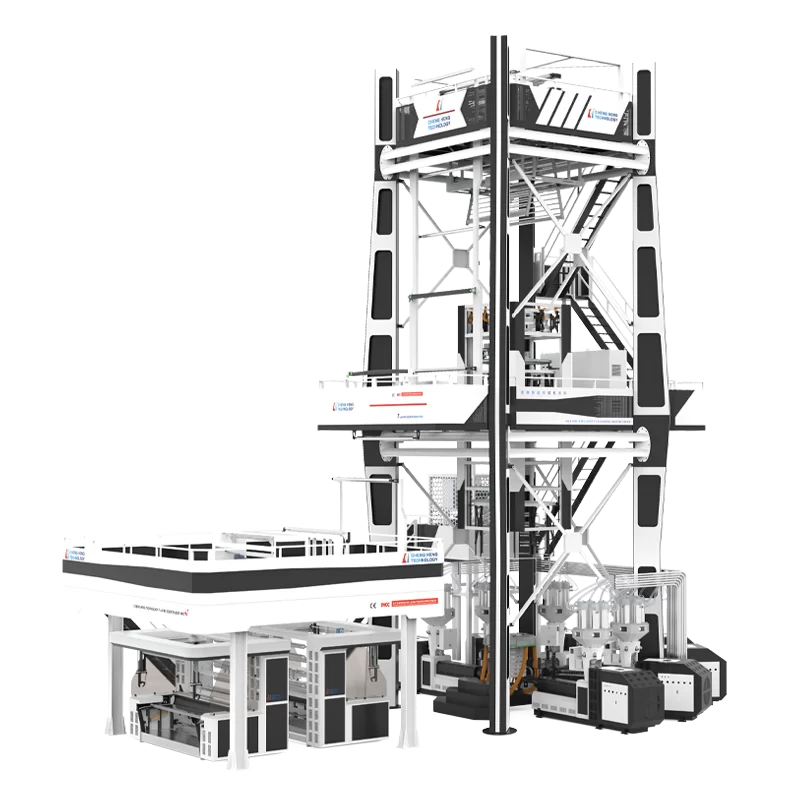
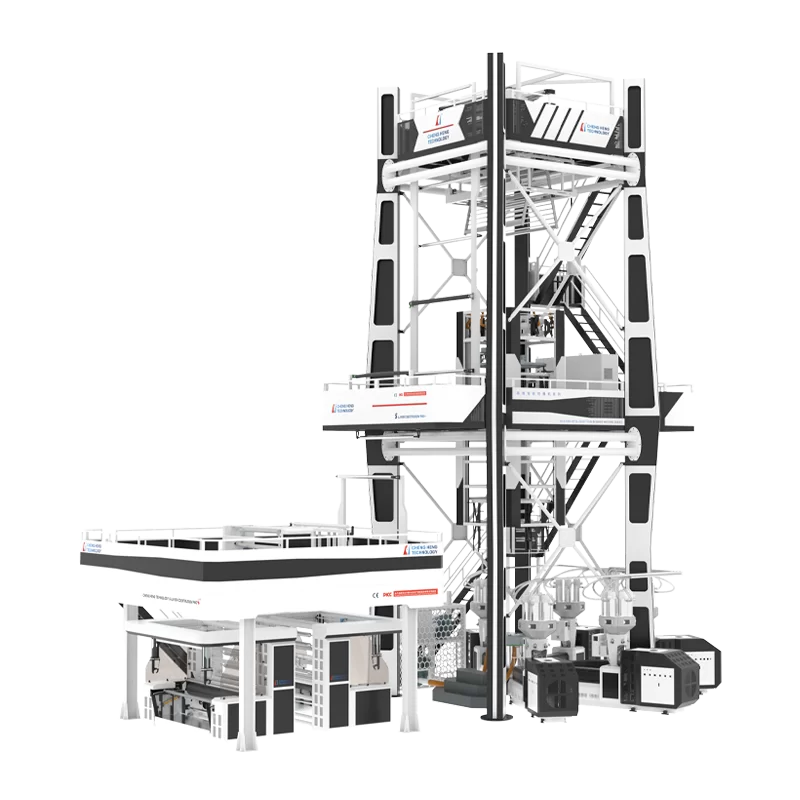
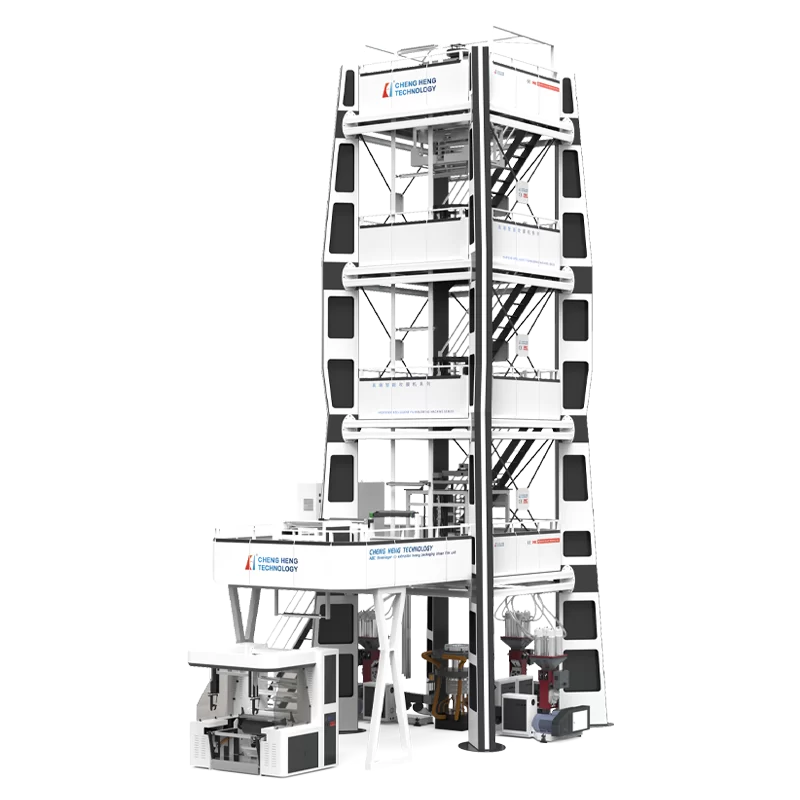
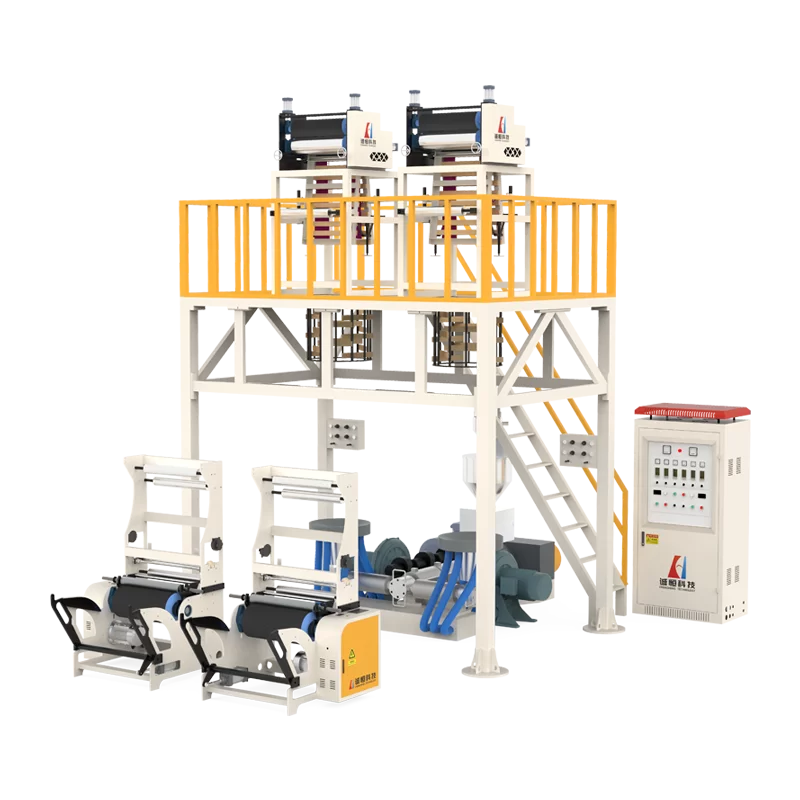
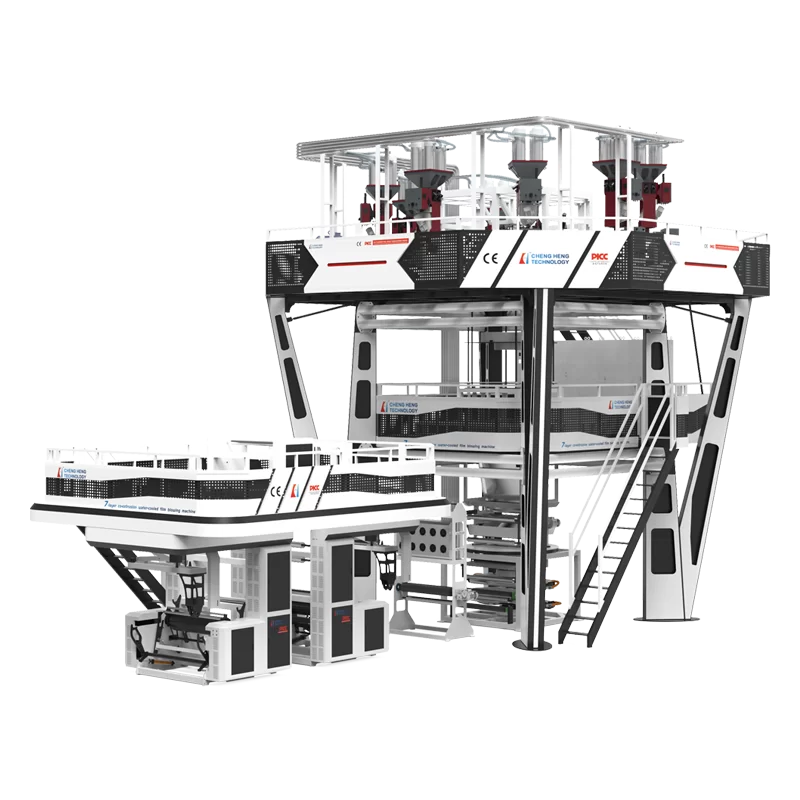
Advanced Blown Film Production Line Solutions for Nigeria's Industrial Growth

Empowering Nigerian manufacturers with high-efficiency, energy-saving plastic extrusion technology to dominate the West African packaging market.

Advanced Blown Film Production Line Solutions for Nigeria's Industrial Growth

Providing Nigeria with robust and scalable plastic processing equipment designed to withstand local power fluctuations and high-ambient temperature environments while maximizing output.

Current State of Plastic Film Manufacturing in Nigeria

Analyzing the operational challenges and market demands for film blowing machine technology in the region.

In Nigeria, the demand for flexible packaging is skyrocketing due to the rapid urbanization of cities like Lagos and Kano. However, many local factories still rely on outdated machinery that suffers from low energy efficiency and inconsistent film thickness, making it difficult to compete with imported high-quality packaging.

The environmental conditions in Nigeria, characterized by high humidity and dust, place severe stress on the cooling systems of a blown film line. Frequent power instability also necessitates equipment with advanced voltage protection and high-torque motors to prevent material degradation during unexpected shutdowns.

Despite these hurdles, there is a significant shift toward localizing production. Nigerian entrepreneurs are increasingly investing in a professional blown film extrusion machine to reduce reliance on foreign imports and capitalize on the growing domestic FMCG (Fast Moving Consumer Goods) sector.
Evolution and Technical Trajectory of Film Extrusion

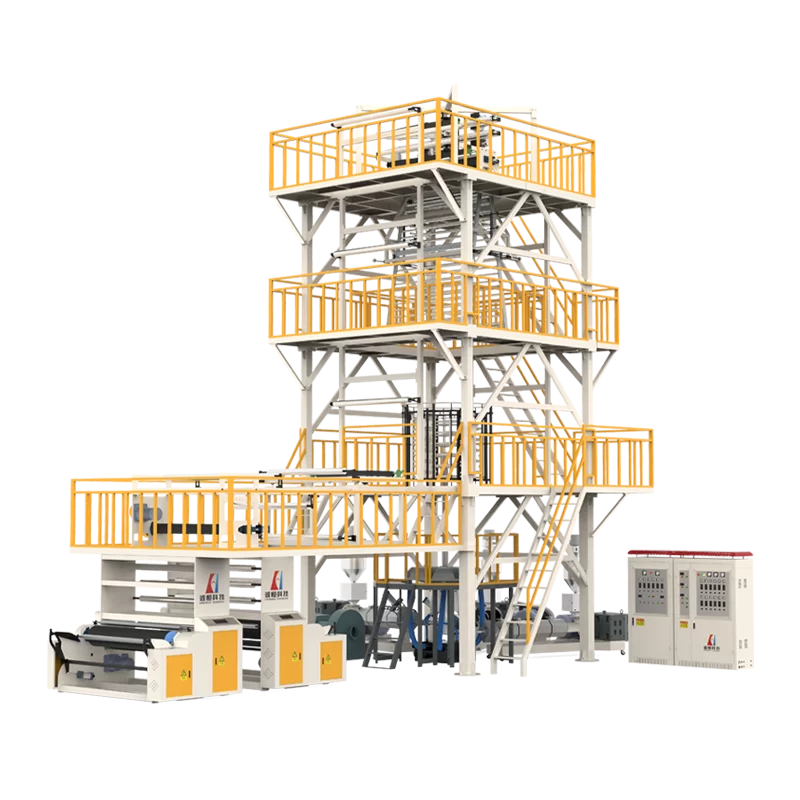
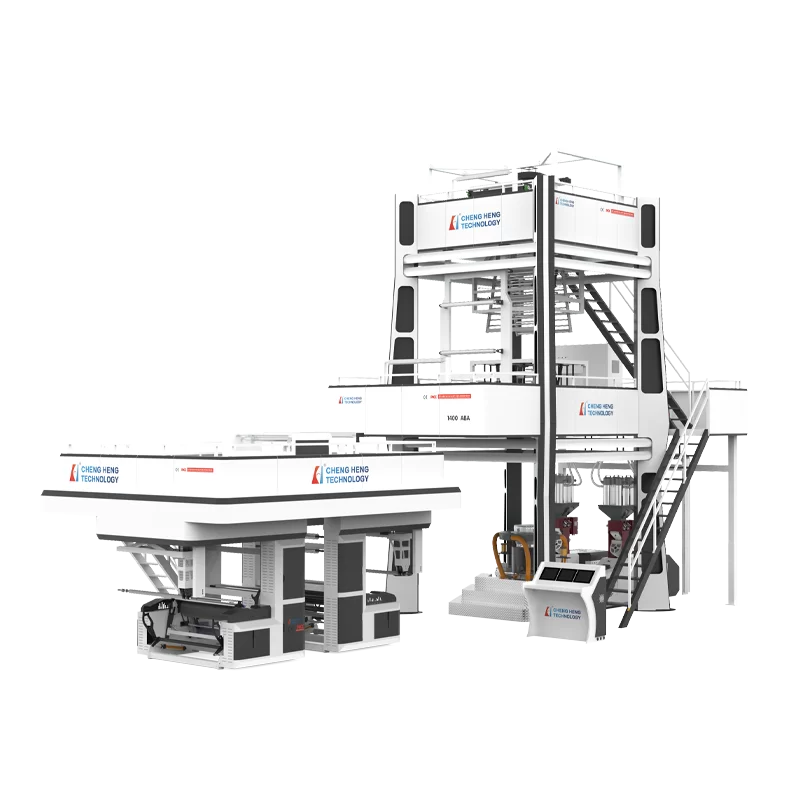
From basic manual operations to fully automated lown film machine systems.

Market Development History

During the early 2000s, the Nigerian market was dominated by single-screw, manual-control machines that produced basic PE bags. These systems lacked precise temperature control, resulting in high waste rates and poor bubble stability.

By 2010-2015, the introduction of PLC-controlled blown film production line systems allowed Nigerian manufacturers to produce multi-layer films. This era saw a transition toward HDPE and LDPE blends, enabling the production of stronger shopping bags and industrial liners.

From 2018 to the present, the focus has shifted toward "Intelligence and Sustainability." Modern lines now incorporate energy-saving AC motors and advanced air rings, allowing for thinner, stronger films that align with global plastic reduction trends.

Future Development Trends

Biodegradable Material Integration

With increasing environmental regulations in Nigeria, future machines will prioritize the processing of PLA and PBAT materials to create compostable packaging.

IoT Remote Diagnostics

To solve the challenge of technical support in remote Nigerian states, the next generation of equipment will feature cloud-based monitoring for real-time troubleshooting.

High-Speed Co-extrusion

The trend is moving toward 3-layer and 5-layer co-extrusion to create high-barrier films for food preservation, extending the shelf life of local agricultural products.

Industry Trends & Future Strategic Outlook

Strategic forecasting for the blown film extrusion machine sector in West Africa.

Energy Efficiency Optimization
Adopting inverter technology to reduce electricity costs, which is critical given Nigeria's energy pricing and generator reliance.
Recycled Material Compatibility
Developing extrusion systems that can handle a higher percentage of recycled plastic flakes without sacrificing film strength.
Precision Thickness Control
Implementing automatic bubble gauging to reduce material waste and ensure consistent film quality for high-end branding.
Modular Line Expansion
Designing equipment that allows Nigerian SMEs to start small and add printing or bagging modules as they grow.

Industry Outlook

Based on search trend analysis for plastic machinery in Africa, there is a clear move towards "Eco-friendly" and "Automatic" keywords. Nigeria is expected to lead the region in adopting biodegradable film technologies as the government tightens regulations on single-use plastics.

The long-term outlook predicts a convergence of plastic extrusion and digital manufacturing. The integration of smart sensors will allow operators to optimize raw material mixtures in real-time, significantly lowering the cost of production per kilogram of film.

Localized Application Scenarios in Nigeria

How our blown film line serves diverse Nigerian market needs.

01. Agricultural Produce Packaging in Northern Nigeria

Deploying heavy-duty extrusion lines to produce thick, UV-resistant PE films used for protecting grains and seeds from moisture and pests during storage in Kaduna and Kano.

02. Retail Shopping Bags for Lagos Urban Markets

Utilizing high-speed film blowing machine units to create lightweight but strong T-shirt bags for the vast network of open-air markets in Lagos.

03. Industrial Liners for Oil & Gas Logistics

Implementing high-strength blown film production line systems to manufacture industrial-grade liners used for hazardous material transport in the Niger Delta region.

04. FMCG Food Grade Wraps for Local Brands

Using multi-layer co-extrusion technology to produce food-safe, high-clarity packaging for Nigerian snacks and condiments, ensuring longer shelf life in tropical heat.

05. Garbage Bag Production for Municipal Waste Management

Setting up automated lines to produce recycled HDPE trash bags for the growing waste management initiatives in Abuja and other major cities.

Brand Story

Global Development History of Maqi Intelligent Technology Hebei Co., Ltd.

Founding Vision

Established with a mission to bridge the gap between complex industrial engineering and user-friendly operation, focusing on the core needs of plastic processors.

Technological Breakthrough

Developed proprietary screw designs that increase plasticization efficiency by 20%, solving the common pain point of energy waste in film production.

Global Expansion

Expanded our footprint into the African market, specifically optimizing machinery to handle the unique power and climate challenges of regions like Nigeria.

Sustainability Pivot

Launched a dedicated R&D line for biodegradable and recycled plastic processing, helping our clients transition to a circular economy.

Industry Leadership

Today, we stand as a leading provider of intelligent plastic machinery, known for reliability, precision, and unwavering customer support worldwide.

Frequently Asked Questions for Nigerian Manufacturers

Expert answers regarding the operation and maintenance of film blowing equipment in Africa.

How do I handle power instability with my blown film production line in Nigeria?

We recommend installing a high-capacity voltage stabilizer and using our machines equipped with soft-start inverters to prevent power surges from damaging the motor and heating elements.

Can a film blowing machine process locally recycled LDPE flakes?

Yes, our machines can be configured with specialized degassing screws and filtration systems to handle recycled materials while maintaining film bubble stability.

What is the best cooling system for a blown film line in high-temperature areas?

For the Nigerian climate, we suggest an upgraded dual-ring air cooling system and a high-efficiency chilled water circulation system to ensure rapid crystallization and high output.

How long does it take to set up a complete blown film extrusion machine from delivery?

Typically, installation and commissioning take 7-14 days. We provide remote guidance and on-site technical support to ensure your operators are fully trained.

What are the maintenance requirements for a lown film machine?

Regular lubrication of the gearbox, cleaning of the die head, and checking the heating band connections every 3 months are essential for long-term reliability.

Can I produce biodegradable films using your blown film production line?

Absolutely. We offer specialized screws and barrels made from wear-resistant alloys specifically designed to process biodegradable resins like PLA and PBAT.

Ready to Upgrade Your Production?

Contact our engineering team today for a customized technical proposal designed specifically for the Nigerian industrial environment in Nigeria.

Contact Us Now