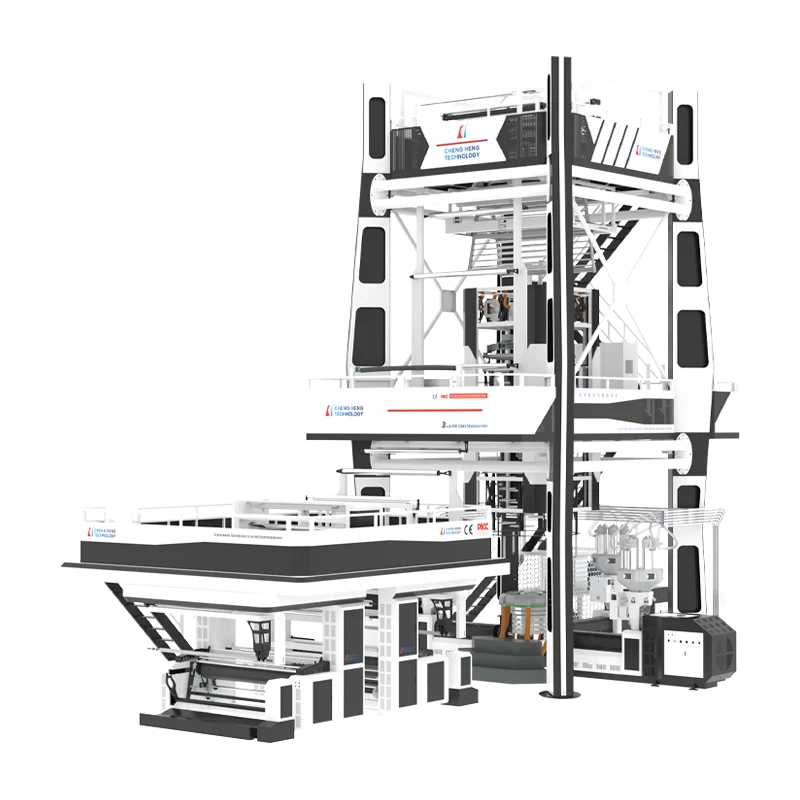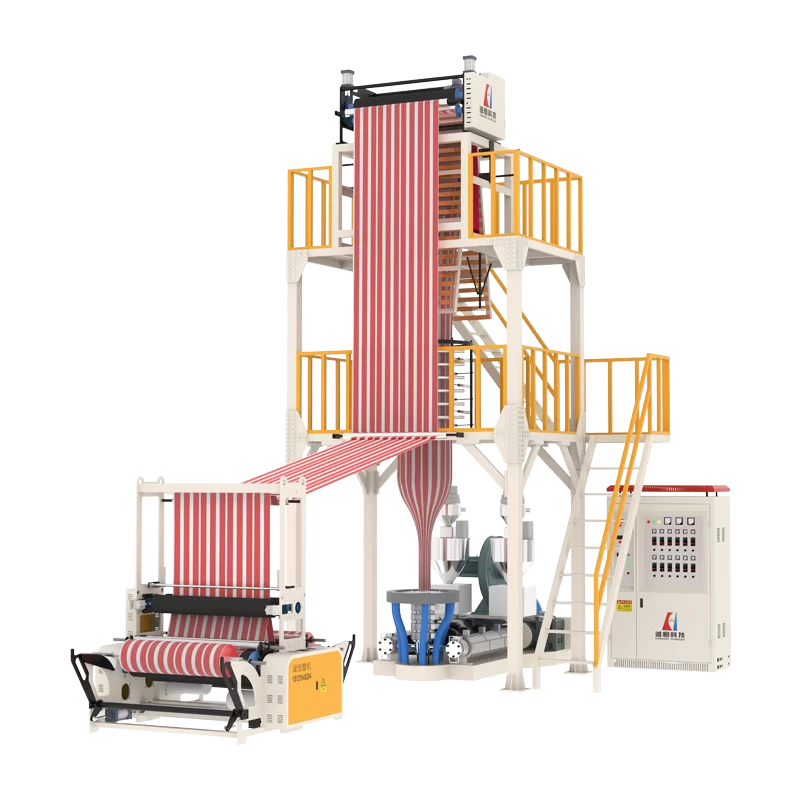
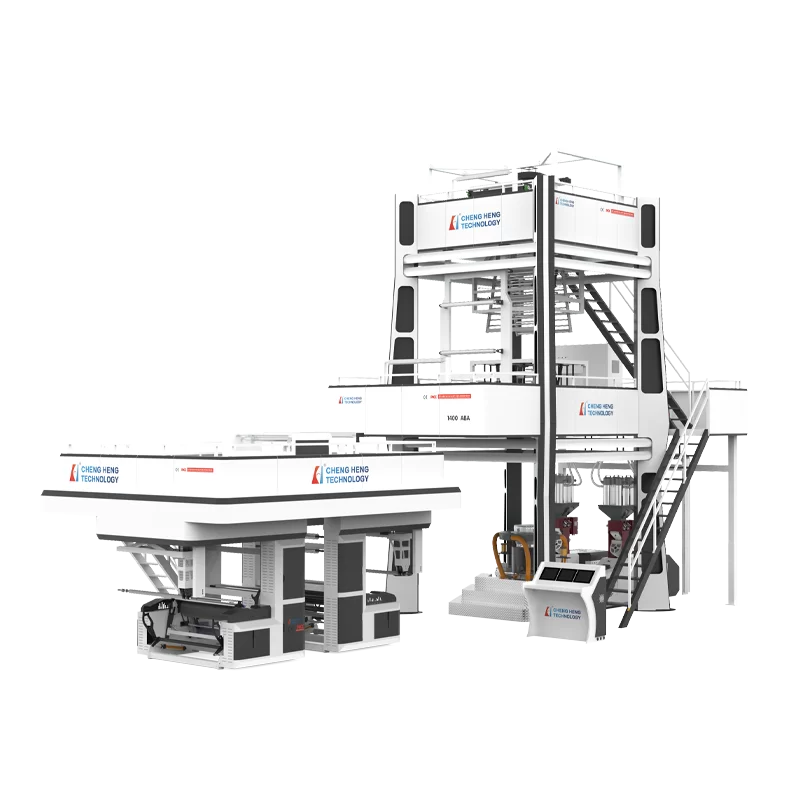
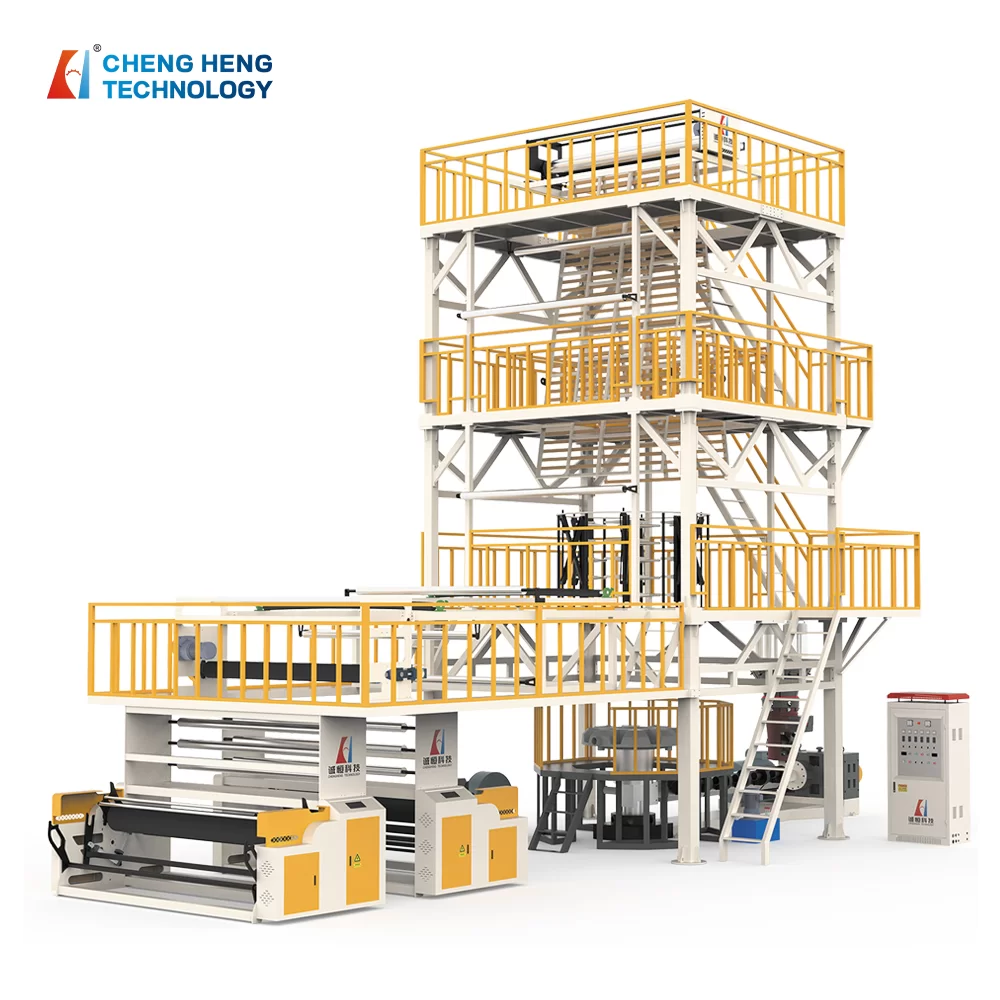
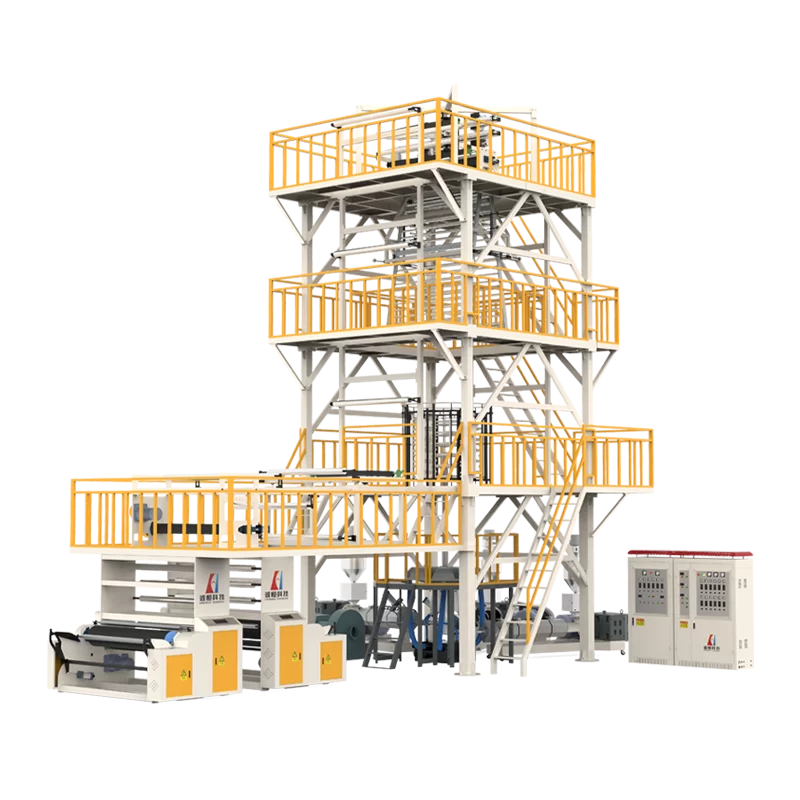
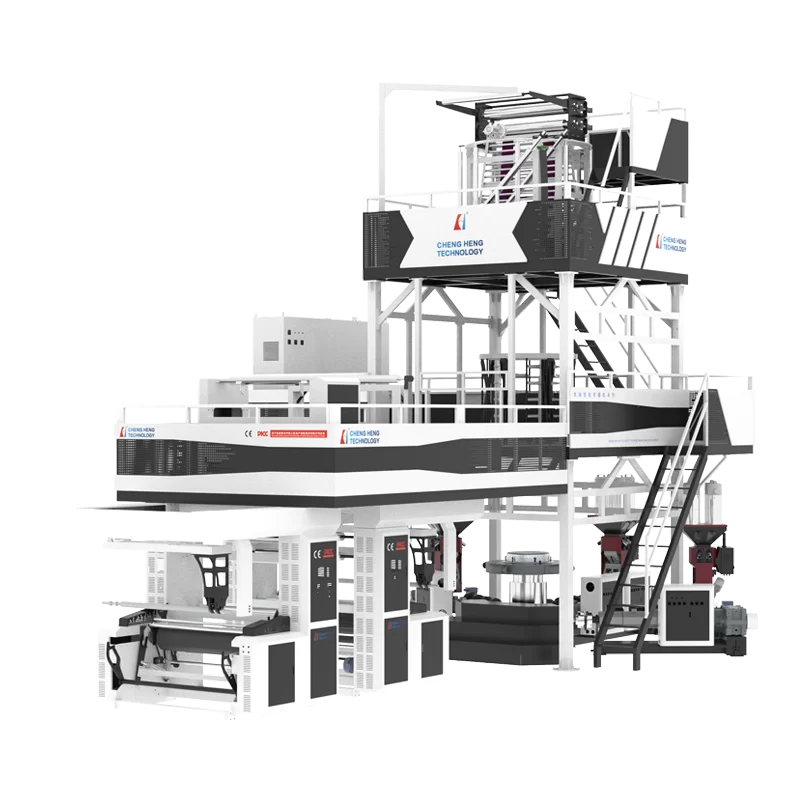
Advanced blown film production line Solutions for India's Plastic Industry

Engineering high-efficiency extrusion systems tailored for the diverse packaging demands of the Indian subcontinent, ensuring durability and maximum output.

Advanced blown film production line Solutions for India's Plastic Industry

Providing cutting-edge extrusion technology to enhance the manufacturing capabilities of plastic processors across India, from small-scale enterprises to industrial giants.

Current State of Plastic Film Manufacturing in India

Analyzing the intersection of rapid urbanization and the demand for sustainable packaging.

The Indian market is currently witnessing a massive shift towards organized packaging. With the rise of e-commerce and organized retail, the demand for a high-quality blown film line has surged. However, manufacturers often struggle with fluctuating power grids and extreme ambient temperatures, which can affect the cooling process and film stability.

Economically, India is transitioning from low-cost, manual operations to automated blown film extrusion machine setups. The government's focus on "Make in India" has encouraged local producers to upgrade their machinery to meet international quality standards for export purposes, particularly in the agricultural and food packaging sectors.

Environmentally, the industry is under pressure to adapt to strict single-use plastic bans. This has led to an urgent need for a film blowing machine that can process biodegradable resins and recycled LDPE/LLDPE materials without compromising the tensile strength of the finished product.
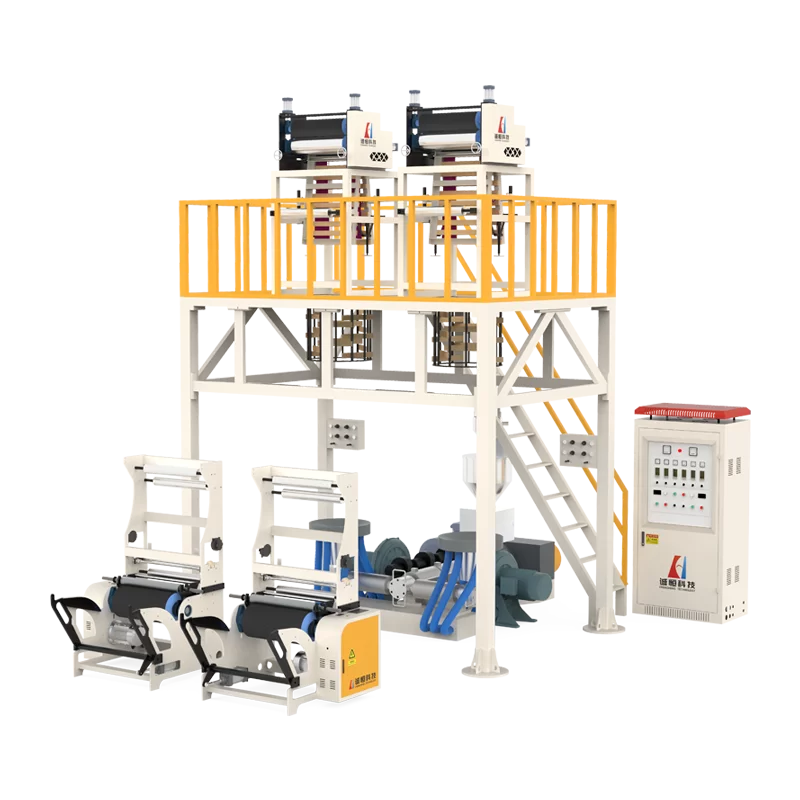
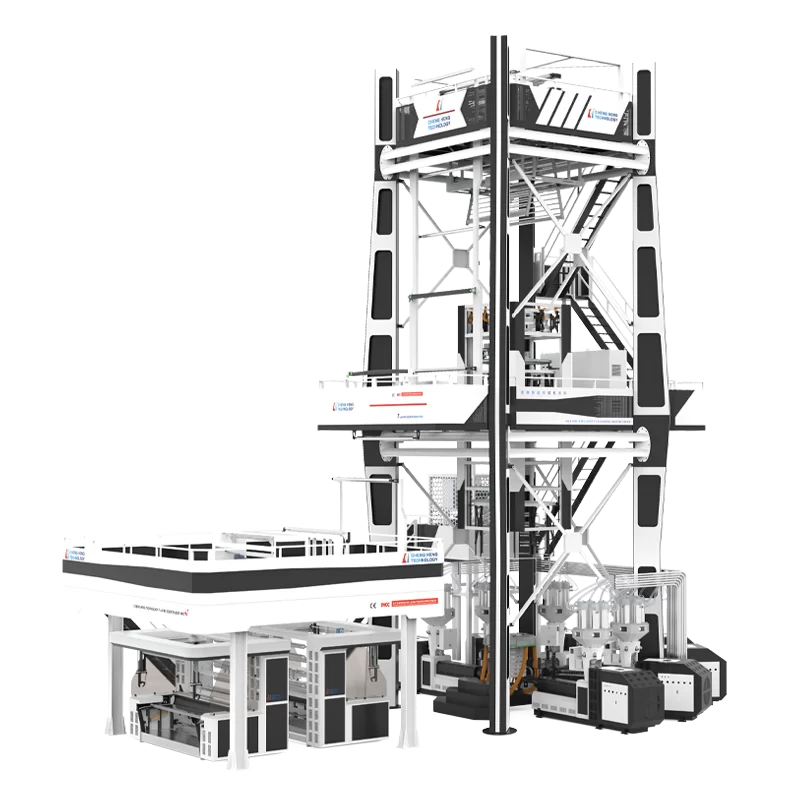
Evolution and Trajectory of Film Extrusion Technology

From basic manual extrusion to Industry 4.0 integrated systems.

Market Development History

In the late 1990s and early 2000s, the Indian market relied primarily on basic, single-screw lown film machine units. These machines lacked precise temperature control and suffered from high waste rates, serving only the most basic local bag requirements.

Between 2010 and 2020, the transition toward multi-layer co-extrusion began. Producers started implementing three-layer and five-layer systems to create barrier films, significantly increasing the shelf life of packaged goods and reducing the overall material thickness (down-gauging).

Today, the trajectory is defined by "Intelligence." Modern lines now incorporate PLC control systems and automatic bubble stability sensors, transforming the traditional film blowing machine into a precision instrument capable of micron-level thickness consistency.

Future Development Trends

Integration of AI and IoT

Future systems will utilize real-time data analytics to predict maintenance needs and automatically adjust blower speeds to compensate for environmental humidity changes common in tropical climates.

Circular Economy Adaptation

There will be a surge in machinery designed specifically for 100% PCR (Post-Consumer Recycled) resin, integrating advanced degassing systems to ensure film clarity and strength.

Energy-Efficient Heating

The shift toward induction heating and high-efficiency motors will reduce the carbon footprint and operational costs for Indian manufacturers facing rising energy tariffs.

Industry Outlook and Future Strategic Trends

Navigating the next era of polymer processing and sustainable extrusion.

Biodegradable Material Compatibility
Transitioning toward machinery that handles PLA and PBAT resins to comply with strict plastic regulations.
Ultra-Thin Gauging Technology
Implementing advanced air rings to produce thinner films without losing structural integrity.
Smart Energy Management
Reducing power spikes during startup to stabilize production in regions with erratic energy supply.
Co-Extrusion Layering
Moving toward 7-9 layer films for high-barrier medical and specialized food packaging.

Industry Outlook

Based on regional search trends and industrial growth in Asia, India is expected to become a global hub for recycled film production. The adoption of the blown film extrusion machine will pivot from volume-driven to value-driven, focusing on high-performance films that replace aluminum foil or multi-material laminates.

Over the next 3-5 years, we anticipate a convergence of digital twins and extrusion hardware, allowing Indian operators to simulate film properties before starting a production run, thereby reducing material waste by up to 15%.

Localized Applications for the Indian Market

Real-world implementation of extrusion technology across diverse Indian sectors.

1. Agricultural Mulch Film Production

Utilizing high-width blown film line systems to produce UV-stabilized mulch films that help farmers in Maharashtra and Punjab conserve water and control weeds.

2. FMCG Flexible Packaging

Implementing multi-layer co-extrusion for the production of high-clarity, high-strength bags used by India's leading snack and spice brands to ensure freshness in humid climates.

3. Industrial Liner and Garbage Bags

Deploying heavy-duty lown film machine setups for the manufacturing of recycled HDPE liners used in construction and waste management across urban metros.

4. E-commerce Protective Wraps

Producing low-density polyethylene (LDPE) bubble and stretch films using high-speed extrusion lines to support the logistics boom in Bengaluru and Delhi-NCR.

5. Medical Grade Sterilization Packaging

Utilizing precision-controlled film blowing machine systems to create contaminant-free, high-barrier films for the pharmaceutical hubs of Gujarat.

Brand Story

Global Development Journey of Hebei Maqi Intelligent Technology Co., Ltd.

Engineering Foundation

Founded with a vision to simplify polymer processing, we began by solving the core instability issues of single-screw extrusion for local manufacturers.

Technological Breakthrough

We pioneered the integration of intelligent PLC controls, reducing the dependency on manual operator skill and increasing production consistency.

Global Expansion

Expanding into the Asian market, specifically India, we adapted our machines to withstand extreme weather and variable power conditions.

Sustainability Pivot

Recognizing the global plastic crisis, we developed specialized screws and barrels optimized for 100% recycled materials and biodegradable resins.

Industry Leadership

Today, we stand as a leader in intelligent extrusion, providing turnkey solutions that empower the world's packaging industry toward a greener future.

Complete Extrusion Portfolio for India

A comprehensive range of machinery designed to scale with your business growth.

Frequently Asked Questions for Indian Operators

Expert answers to common technical and operational challenges in film blowing.

How to maintain bubble stability in a blown film production line during high summer temperatures in India?

We recommend using an upgraded dual-lip air ring and enhancing the cooling tower capacity to ensure a consistent temperature gradient around the bubble, preventing thickness variations during heatwaves.

Can a blown film extrusion machine handle 100% recycled LDPE from local waste collectors?

Yes, by using our specialized degassing extrusion screws and high-torque motors, our machines can process recycled resins while removing volatiles to maintain film clarity and strength.

What is the energy consumption of a modern film blowing machine compared to older Indian models?

Our latest generation machines utilize inverter-driven motors and ceramic heaters, reducing total energy consumption by approximately 20-30% compared to traditional resistive heating models.

How do I choose between a single-layer and multi-layer blown film line for food packaging?

For basic bags, single-layer is cost-effective. However, for food packaging requiring oxygen or moisture barriers, a 3-layer or 5-layer co-extrusion line is essential to combine different resin properties.

What are the installation requirements for a lown film machine in a small-scale industrial unit?

The primary requirements are a stable 3-phase power supply, sufficient vertical clearance for the bubble (typically 6-12 meters), and a leveled concrete floor to prevent vibration.

How does automation in a blown film production line reduce labor costs in India?

Automatic winding and thickness control systems reduce the need for constant manual monitoring and adjustment, allowing one operator to manage multiple lines simultaneously with higher precision.

Ready to Upgrade Your Production?

Consult with our experts to find the perfect extrusion solution for your facility in India.

Contact Us Now