The global packaging landscape has been fundamentally reshaped by the versatility of the blown film extrusion machine, a cornerstone of modern polymer processing. By leveraging a continuous extrusion process that inflates molten plastic into a thin-walled bubble, these machines enable the production of high-strength, lightweight films essential for everything from food preservation to industrial containment. Understanding the mechanics and strategic application of this technology is crucial for manufacturers aiming to balance high output with material efficiency.
In today's industrial climate, the shift toward multi-layer structures and biodegradable resins has pushed the blown film extrusion machine beyond simple polyethylene production. The ability to co-extrude different polymers allows for the creation of barrier films that protect sensitive contents from oxygen and moisture, thereby extending shelf life and reducing waste. As global supply chains demand more resilient packaging, the role of precision extrusion has become a competitive differentiator for plastic processors worldwide.
Choosing the right configuration—whether it be a Single Layer Blown Film Line for basic applications or a Three Layer ABC Blown Film Machine for specialized barrier properties—directly impacts operational costs and product quality. By optimizing the blow-up ratio and cooling efficiency, manufacturers can achieve superior mechanical properties and optical clarity. This comprehensive guide explores the technical nuances, global applications, and future trajectories of the blown film extrusion machine to help you make informed investment decisions.
Global Relevance of Blown Film Extrusion Technology
The global demand for flexible packaging is expanding at a compound annual growth rate that reflects the rising urbanization of Asia and Africa. A blown film extrusion machine is no longer just a piece of hardware; it is the engine driving the distribution of essential goods. From ISO-standardized medical packaging to the massive quantities of agricultural mulch films used to ensure food security in arid regions, this technology provides the scalable infrastructure needed to move products safely across borders.
However, the industry faces a critical tension between production volume and environmental sustainability. With the UN's focus on reducing single-use plastics, the modern blown film extrusion machine is evolving to incorporate PCR (Post-Consumer Recycled) resins and biodegradable materials. The challenge lies in maintaining the tensile strength and clarity of the film while shifting away from virgin fossil-fuel-based polymers, necessitating advanced screw designs and precise temperature control.
Defining the Blown Film Extrusion Machine
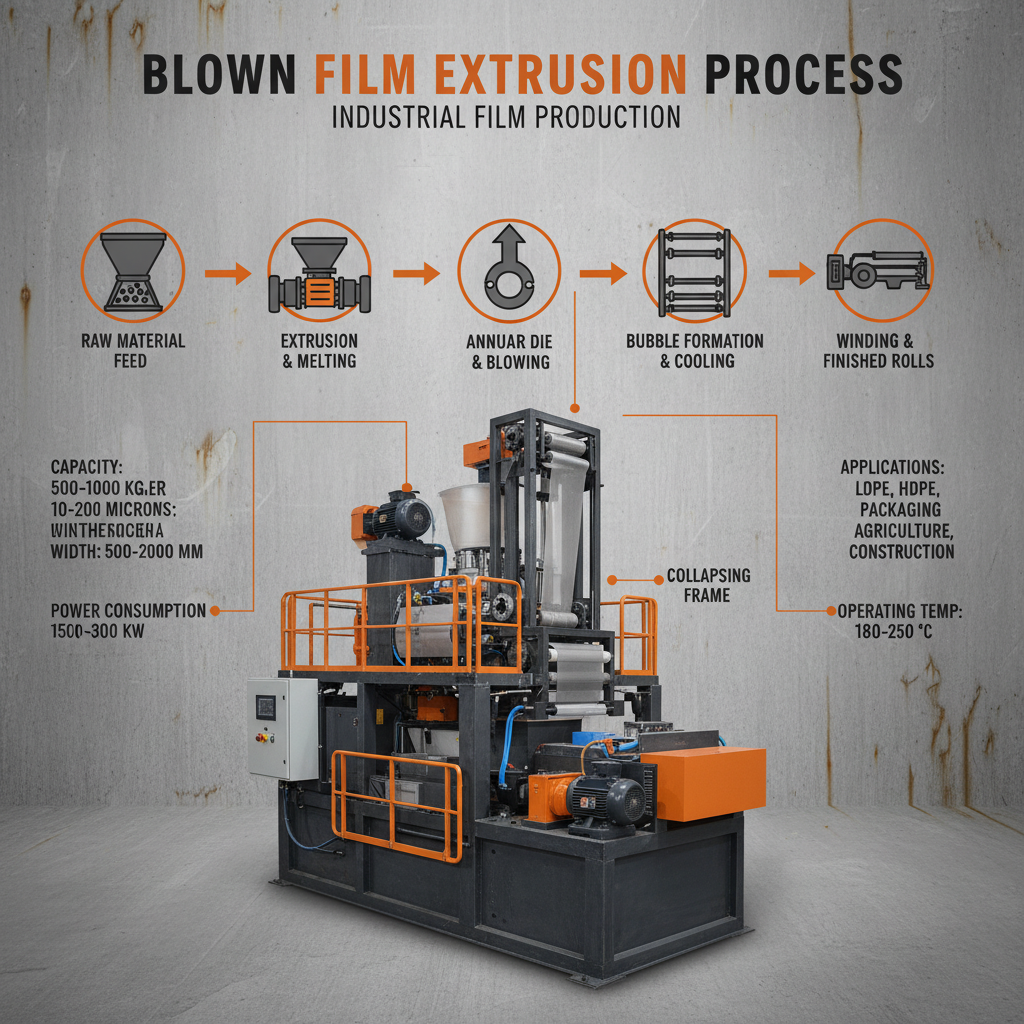
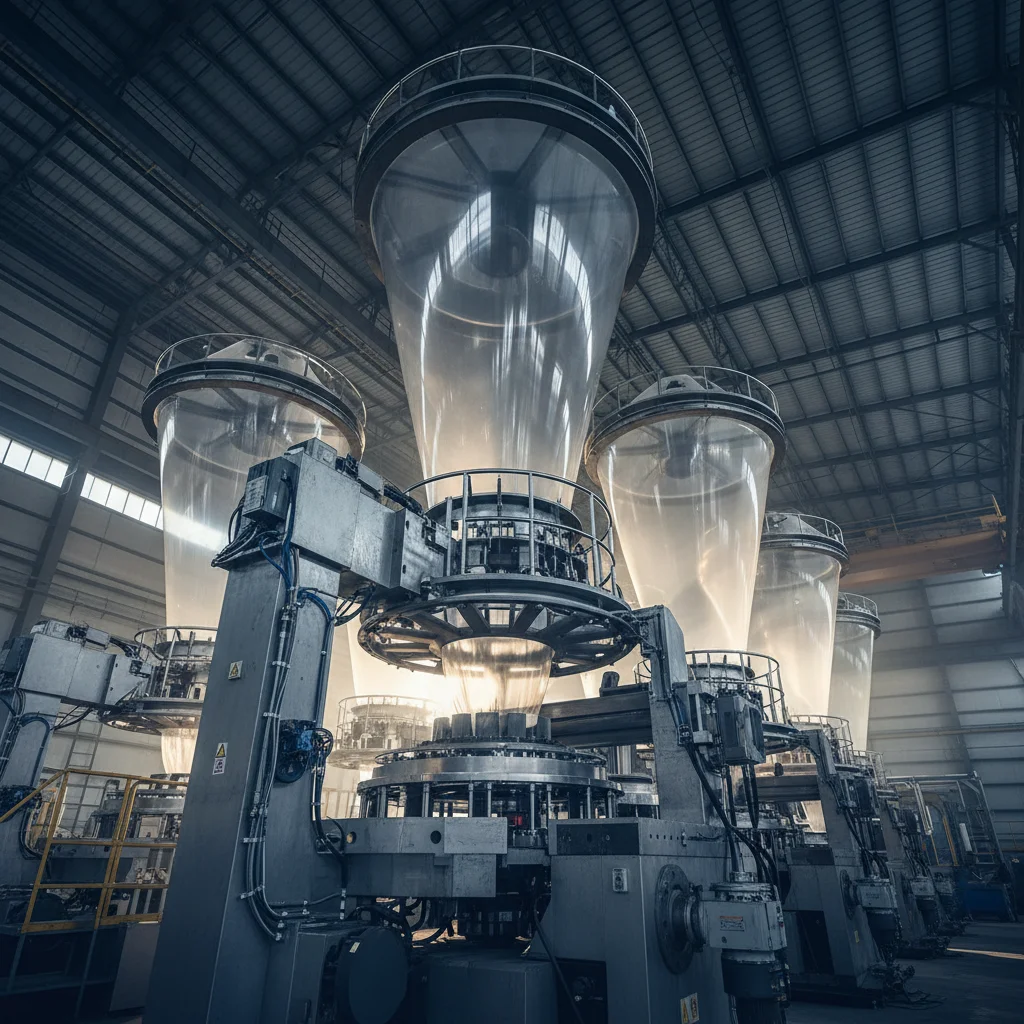
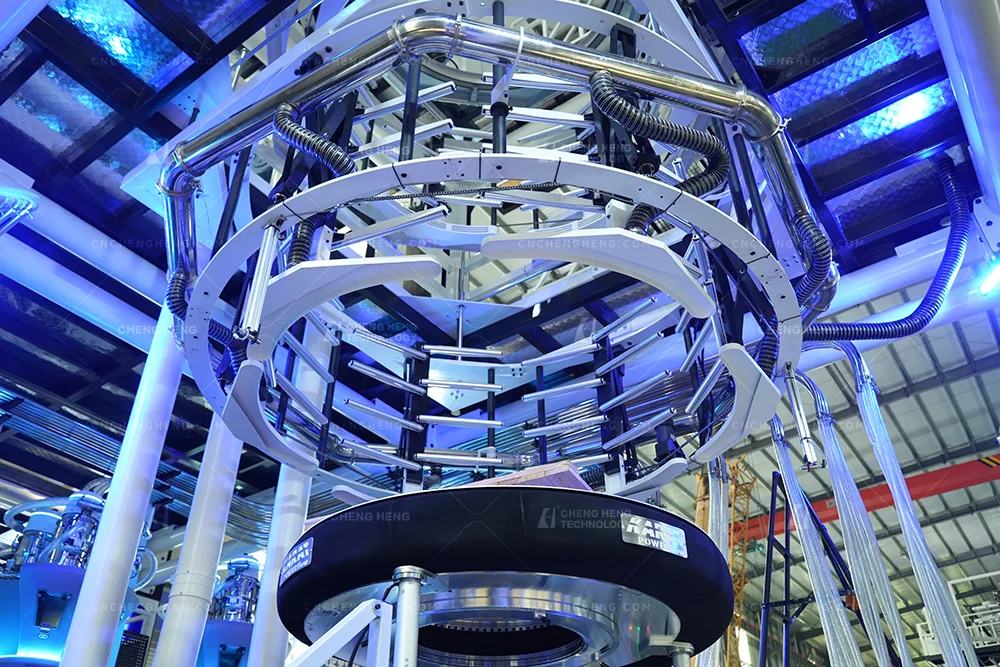
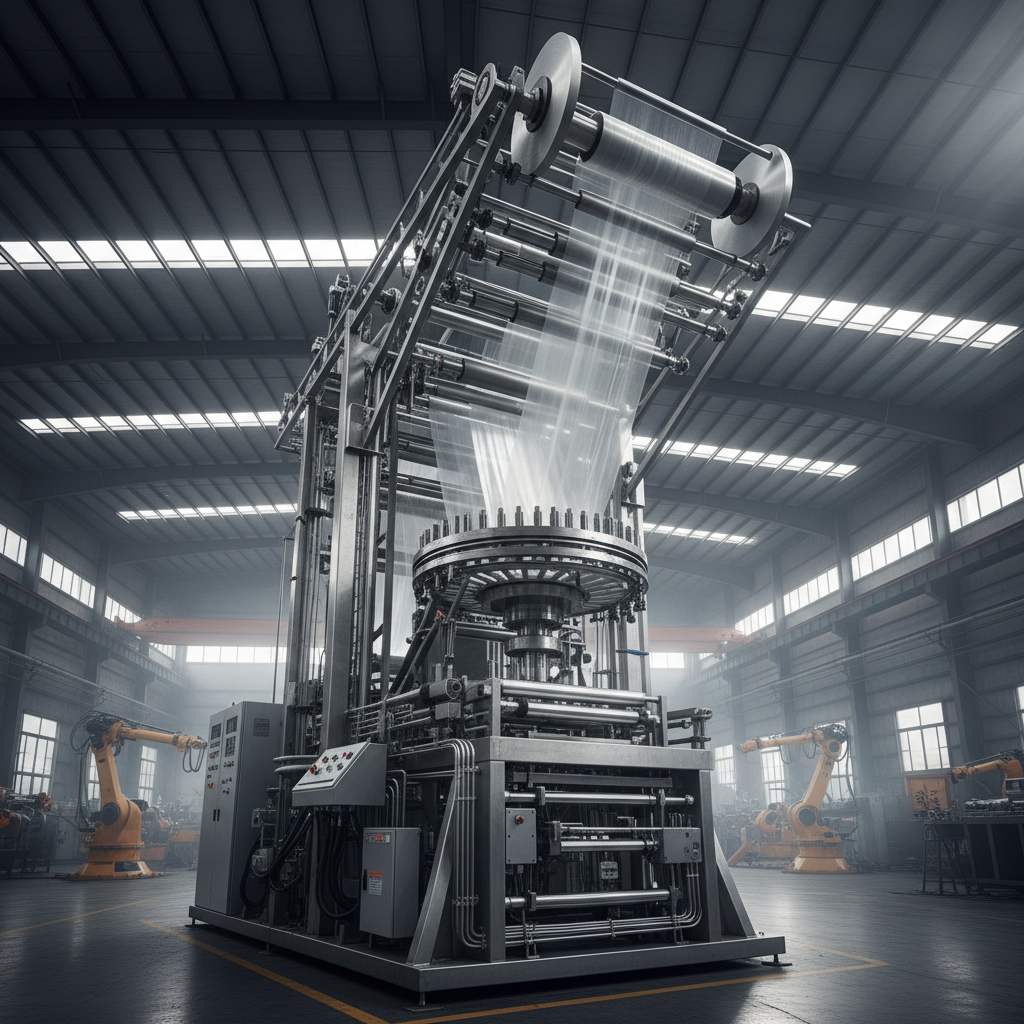
At its most fundamental level, a blown film extrusion machine is a specialized industrial system that converts thermoplastic resins into thin, continuous plastic films. The process begins with a screw extruder that melts the polymer, which is then forced through a circular die. As the molten plastic exits the die, air is injected into the center, "blowing" the plastic into a large vertical bubble. This bubble is then cooled by an air ring and collapsed into a flat sheet of film.
This process is inherently tied to modern humanitarian and industrial needs. For instance, the ability to produce ultra-thin yet puncture-resistant films is critical for creating sterile packaging for vaccines and medical devices in developing nations. By adjusting the air-to-plastic ratio, operators can create films with bidirectional orientation, which significantly enhances the material's strength compared to cast films, allowing for "down-gauging"—using less plastic to achieve the same performance.
In the context of the current market, these machines are categorized by their complexity. A Single Layer Blown Film Line is ideal for simple shopping bags or liners, while a Multi Layer Blown Film Extrusion Machine or a Three Layer ABC Blown Film Machine allows for the integration of specialized layers (such as an adhesive layer and a barrier layer) to create high-performance packaging for the pharmaceutical and food industries.
Core Components and Engineering Factors
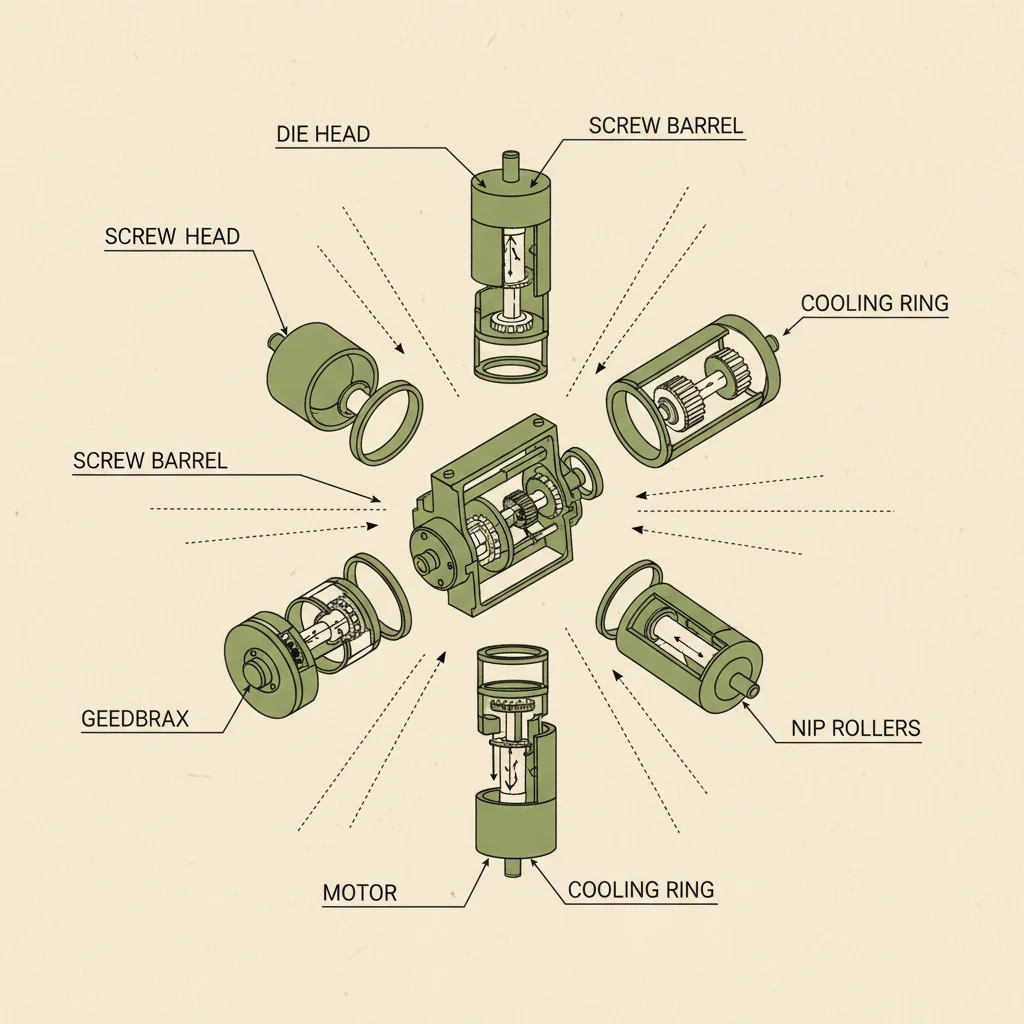
The heart of any high-performance blown film extrusion machine is the extruder screw and barrel. The L/D (length-to-diameter) ratio determines the mixing efficiency and homogenization of the melt. For manufacturers dealing with recycled materials, a barrier screw is often employed to prevent overheating and degradation, ensuring that the final film remains consistent in thickness and free of "gels" or impurities.
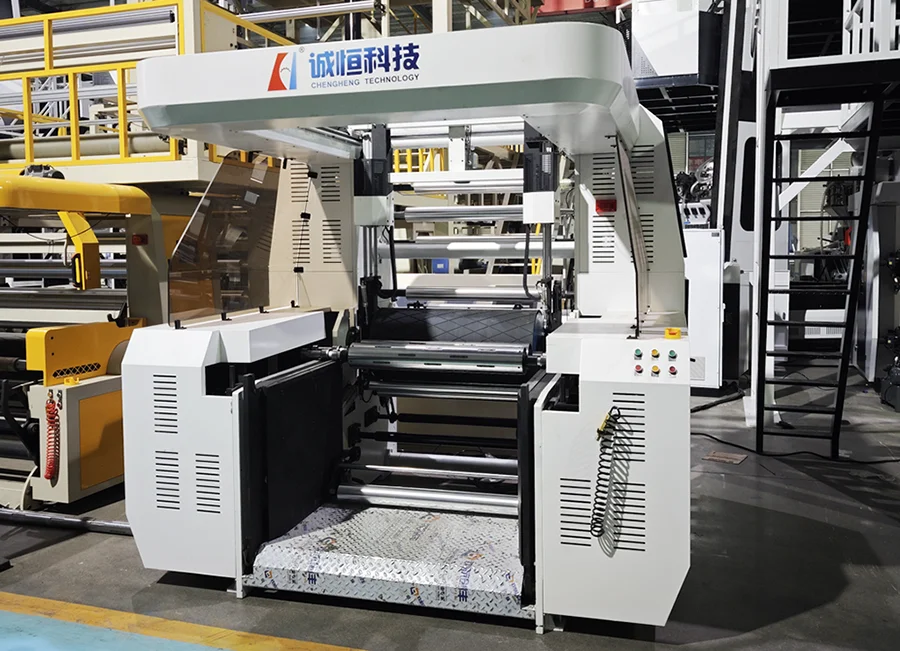
The die head and air ring are equally critical. The die must be engineered with extreme precision to ensure an even distribution of the melt around the circumference, while the air ring manages the cooling rate. In a blown film extrusion machine, the speed at which the bubble is cooled dictates the crystallinity of the polymer, which in turn affects the transparency and stiffness of the resulting film.
Scalability and energy efficiency are the final pillars of modern design. The integration of AC frequency inverters and high-efficiency heating elements allows the blown film extrusion machine to operate with lower power consumption. Furthermore, automatic bubble control systems (using sensors and PLC logic) ensure that the film width remains stable even during high-speed production, reducing scrap rates and increasing overall yield.
Industrial Applications and Use Cases
The applications of the blown film extrusion machine span virtually every sector of the global economy. In the agricultural sector, these machines produce heavy-duty greenhouse films and silage wraps that protect crops from extreme weather and pests. In the logistics industry, the demand for high-stretch wrap and shrink films—produced via multi-layer extrusion—is essential for securing cargo during international shipping, reducing breakage and loss.
Beyond industrial use, the technology is pivotal in disaster relief and healthcare. For example, in post-disaster relief operations, the rapid production of heavy-duty plastic sheeting for temporary shelters depends on the high-output capacity of these machines. Similarly, the food industry relies on Three Layer ABC Blown Film Machines to create "active packaging" that can absorb oxygen or release antimicrobial agents, significantly reducing the global footprint of food waste.
Efficiency Comparison of Blown Film Extrusion Machine Configurations
Tangible Advantages and Long-Term Value
Investing in a high-quality blown film extrusion machine offers profound economic and operational advantages. The primary logical benefit is the drastic reduction in material waste; by precisely controlling the film thickness (gauge) through automated systems, companies can reduce resin consumption by 5-10% without compromising the integrity of the package. This not only lowers the cost per unit but also aligns with corporate sustainability goals.
Beyond the numbers, there is an emotional and strategic value rooted in reliability and trust. When a manufacturer can guarantee a consistent barrier property for pharmaceutical packaging, they build an unbreakable bond of trust with their clients. The innovation inherent in multi-layer extrusion allows companies to pivot quickly to new market demands—such as the sudden rise in demand for biodegradable shopping bags—ensuring long-term business resilience and market leadership.
Future Innovations in Film Extrusion
The future of the blown film extrusion machine is being written in the language of Industry 4.0. We are seeing the integration of AI-driven predictive maintenance, where sensors monitor vibration and temperature in real-time to predict a component failure before it causes downtime. This digital transformation converts the extrusion line from a passive tool into an intelligent system that optimizes its own parameters for maximum energy efficiency.
Material science is also evolving rapidly. The next generation of machines is being designed to handle "bio-polymers" like PLA and PBAT, which have different rheological properties than traditional PE. This requires redesigned screw geometries and more precise heating zones to prevent the degradation of these heat-sensitive organic materials. The shift toward a circular economy means that the ability to process 100% recycled content without losing transparency will be the next gold standard.
Furthermore, the move toward "smart films"—packaging that can change color when food spoils or communicate with scanners via embedded nano-layers—is only possible through the precision of a Multi Layer Blown Film Extrusion Machine. As automation increases, we expect to see fully autonomous lines that can switch product specifications with a single click, reducing setup time from hours to minutes.
Overcoming Common Operational Challenges
Despite its advantages, operating a blown film extrusion machine comes with inherent challenges, most notably the issue of "gauge variation" (uneven thickness). This is often caused by unstable air temperature or fluctuations in melt pressure. Expert operators overcome this by installing high-precision air rings and implementing a strict regime of die-lip cleaning to prevent carbon buildup from disrupting the flow.
Another common struggle is the "bubble instability" that occurs when increasing production speeds. To mitigate this, advanced manufacturers utilize internal bubble cooling (IBC) systems, which introduce a secondary stream of cold air inside the bubble. This allows for faster cooling and higher throughput, enabling the machine to reach its maximum rated capacity without risking a bubble rupture.
Finally, the challenge of material contamination in recycled streams can lead to "fish eyes" or holes in the film. The solution lies in the installation of high-performance melt filters and automatic screen changers. By integrating these into the blown film extrusion machine, producers can maintain a high-quality finish even when using lower-grade recycled resins, bridging the gap between sustainability and profitability.
Comparison of Solutions for Common Blown Film Extrusion Challenges
|
Operational Challenge
|
Root Cause
|
Expert Solution
|
Impact Score (1-10)
|
| Gauge Variation |
Uneven Air Cooling |
Automatic Air Ring Control |
9 |
| Bubble Instability |
High Melt Temp/Speed |
IBC (Internal Bubble Cooling) |
8 |
| Fish Eyes/Gels |
Material Contamination |
Automatic Screen Changer |
10 |
| Surface Scratches |
Poor Roller Alignment |
Chrome-plated Precision Rollers |
7 |
| Energy Inefficiency |
Obsolete Heater Bands |
Ceramic Heating + Inverters |
8 |
| Poor Clarity |
Slow Cooling Rate |
Dual-lip Air Ring Upgrade |
9 |
FAQS
A single layer machine uses one extruder to produce a film of a single material, ideal for basic bags and wraps. A multi-layer machine uses multiple extruders to combine different resins into a single film. This allows for "sandwich" structures where the inner layer provides a barrier (e.g., against oxygen) and the outer layer provides strength or printability, making it essential for high-end food and medical packaging.
Yes, but it requires specific modifications. Processing 100% recycled resins often requires a barrier screw to prevent overheating and an automatic screen changer to remove contaminants. While possible, the mechanical properties and transparency may vary compared to virgin resin, so choosing a machine with superior degassing and filtering capabilities is crucial for a commercial-grade finish.
This is achieved through "down-gauging," which involves optimizing the blow-up ratio (BUR) and utilizing multi-layer co-extrusion. By using a Three Layer ABC Blown Film Machine, you can place a high-strength polymer in the center layer and thinner layers on the outside, maintaining the same puncture resistance while reducing the overall amount of plastic used.
Bubble instability is usually caused by inconsistent air cooling or fluctuations in the melt temperature. If the air ring does not provide a uniform curtain of cold air, the bubble will wobble. Installing an Internal Bubble Cooling (IBC) system or upgrading to a dual-lip air ring can stabilize the bubble, allowing for higher production speeds and better thickness control.
Yes, heating the barrels and driving the heavy screws consumes significant electricity. However, modern machines mitigate this by using ceramic heaters, which have better insulation, and AC frequency inverters that optimize motor speed. Upgrading to a newer, energy-efficient model can often reduce power costs by 15-20% while increasing output.
Maintenance schedules vary by material, but generally, the die should be inspected daily for buildup. A full deep-clean is typically required every few weeks or whenever a material change occurs. Neglecting the die head leads to gauge variation and "streaking" in the film, so implementing a standardized cleaning protocol is vital for maintaining quality.
Conclusion
The blown film extrusion machine remains an indispensable asset in the global manufacturing chain, bridging the gap between raw polymer chemistry and the practical needs of packaging, agriculture, and healthcare. By mastering the balance of extrusion pressure, air cooling, and material selection, manufacturers can produce films that are not only cost-effective but also highly specialized. The transition from single-layer to multi-layer systems has unlocked new possibilities in barrier protection and material reduction, proving that technical precision is the key to industrial scalability.
Looking forward, the industry must embrace the dual challenge of digitalization and sustainability. The integration of AI-driven controls and the adoption of bio-based resins will define the next decade of extrusion technology. For businesses seeking to remain competitive, investing in versatile, energy-efficient machinery is no longer optional—it is a strategic necessity for survival in a circular economy. To explore the latest in high-performance extrusion solutions, visit our website: www.cnchsj.com.