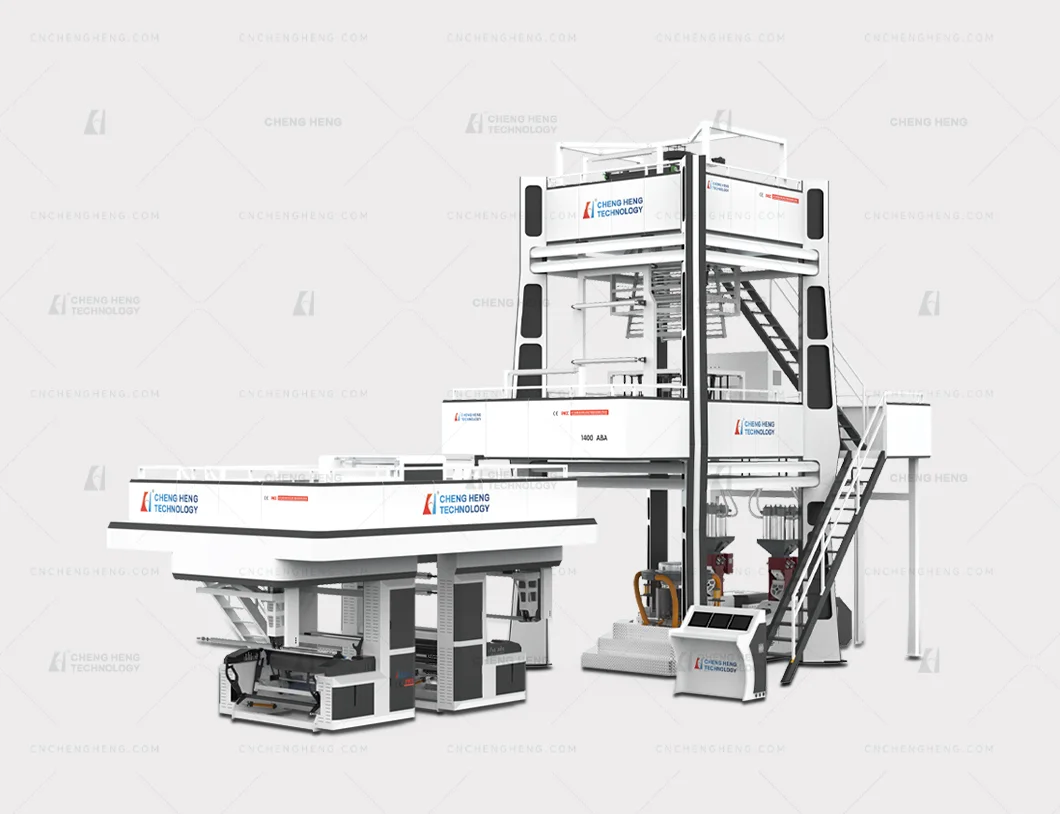
The global packaging industry has undergone a massive transformation, with the film blowing machine serving as the technological backbone for producing everything from high-barrier food packaging to industrial stretch wraps. By leveraging the physics of extrusion and air inflation, these machines allow manufacturers to create thin, strong, and versatile plastic films that meet the rigorous demands of modern logistics and consumer safety. Understanding the nuances of this technology is essential for any business looking to optimize production efficiency and reduce material waste.
From an industrial perspective, the shift toward multi-layer extrusion has redefined what is possible in material science. Modern systems can now combine different polymers—such as PE, PP, and biodegradable resins—into a single structure, providing superior oxygen barriers and mechanical strength without significantly increasing the film's thickness. This evolution is not just about capacity, but about the precision of the film blowing machine in managing temperature and melt pressure to ensure uniform quality.
As sustainability becomes a global mandate, the role of the film blowing machine is evolving once again to accommodate recycled resins and compostable materials. The challenge for today's manufacturers is to balance high-speed output with the volatile nature of recycled plastics. By investing in advanced extrusion technology, companies can transition toward a circular economy while maintaining the high-performance standards required by global supply chains.
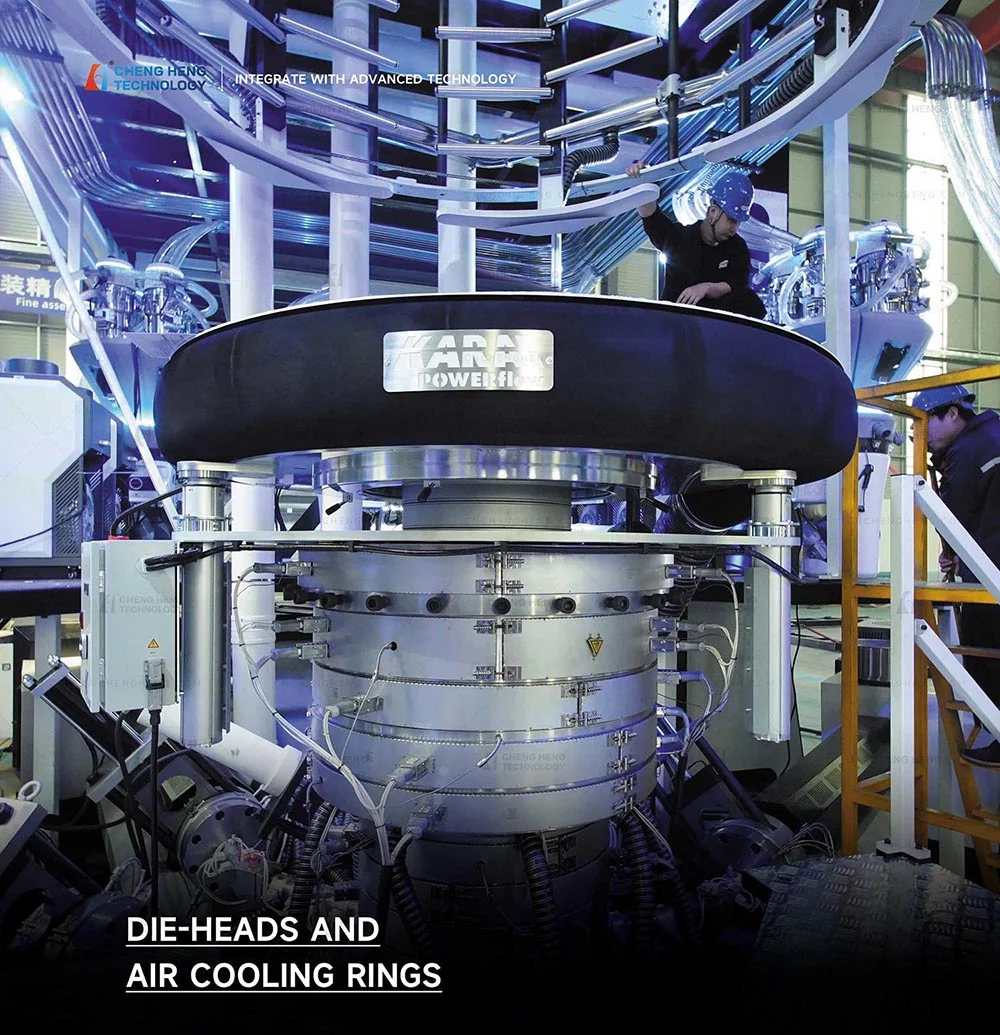
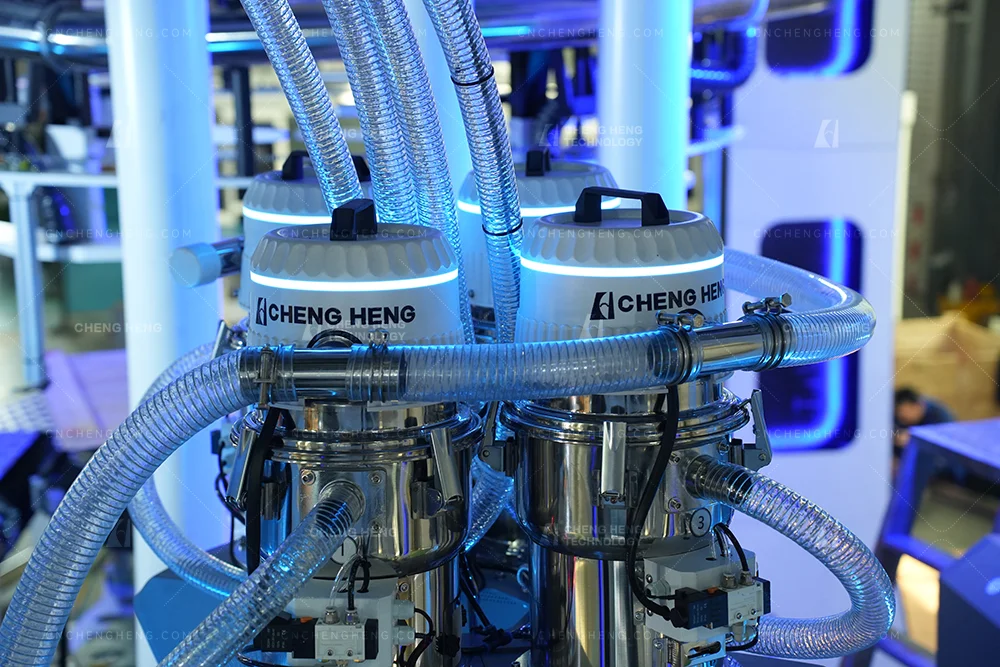
The global demand for plastic films is inextricably linked to the growth of the e-commerce and food preservation sectors. According to industry reports and ISO quality standards, the precision of the film blowing machine has become a critical KPI for manufacturers aiming to reduce the "carbon footprint per kg" of produced film. As emerging economies in Asia and Africa expand their retail infrastructure, the need for scalable and energy-efficient extrusion lines has surged.
However, the industry faces a significant challenge: the volatility of raw material costs and the increasing pressure from environmental regulations. To combat this, manufacturers are pivoting toward machines that can handle a higher percentage of Post-Consumer Recycled (PCR) resins. The ability of a film blowing machine to maintain bubble stability while processing inconsistent recycled materials is now the primary frontier of technical competition.
A single layer machine uses one extruder to create a film of a single material, ideal for basic bags. Multi-layer machines (Double, Three, or Multi-layer) use multiple extruders to combine different resins. This allows for "functional layers," such as an outer layer for printing and an inner layer for oxygen barriers, significantly improving the film's protective properties and reducing overall thickness through down-gauging.
While possible, standard machines often struggle with the impurities and moisture in recycled plastics, leading to bubble instability and "fish-eyes" in the film. For high-quality recycled production, we recommend a film blowing machine equipped with a degassing extruder and a high-performance filtration system to remove contaminants and maintain consistent melt flow.
Gauge variation is typically caused by uneven cooling or temperature fluctuations in the die. Ensure your air ring is properly aligned and the air flow is symmetrical. Additionally, upgrading to a machine with an automatic bubble control system and high-precision PID temperature controllers can help maintain a consistent wall thickness across the entire bubble.
Biodegradable resins are highly sensitive to heat and shear. The best machines for PLA or PBAT feature specialized low-shear screws and precise temperature zones to prevent material degradation. Look for "Eco-series" machines specifically designed for bio-polymers, as they ensure the material maintains its compostable properties without burning during extrusion.
With proper maintenance—including regular screw cleaning, heater check-ups, and lubrication of the take-up system—a professional-grade film blowing machine can last 10 to 15 years. The core components, such as the screw and barrel, may require refurbishment every few years depending on the abrasiveness of the materials (like CaCO3 fillers) being processed.
Increasing output involves optimizing the "melt throughput." You can achieve this by upgrading to a higher-torque motor, optimizing the screw design for higher flow, or improving the cooling capacity of the air ring to allow for faster bubble take-up. However, it is crucial to balance speed with cooling to avoid compromising the film's mechanical strength.