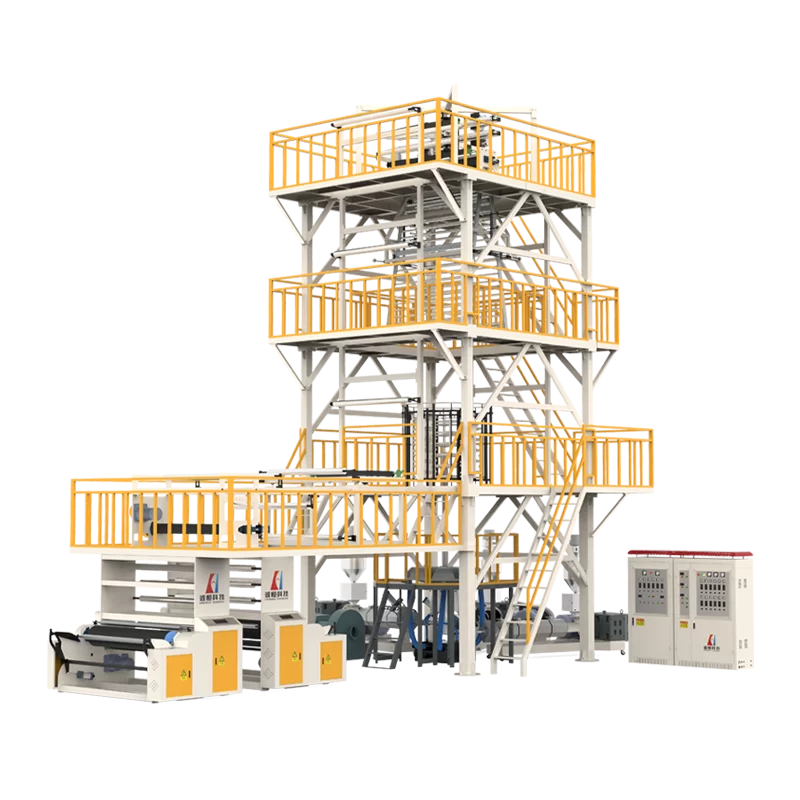
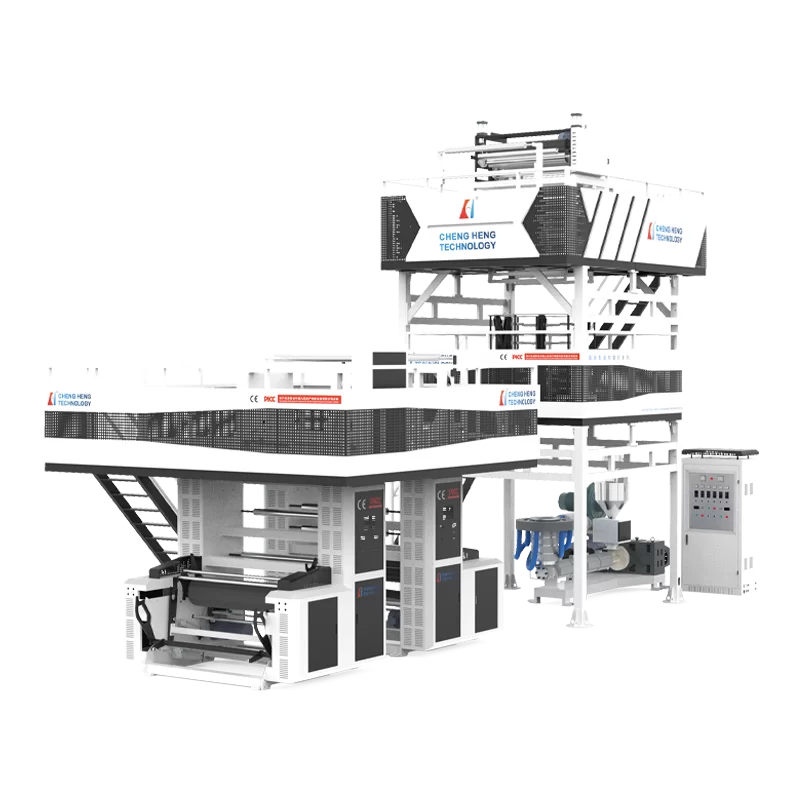
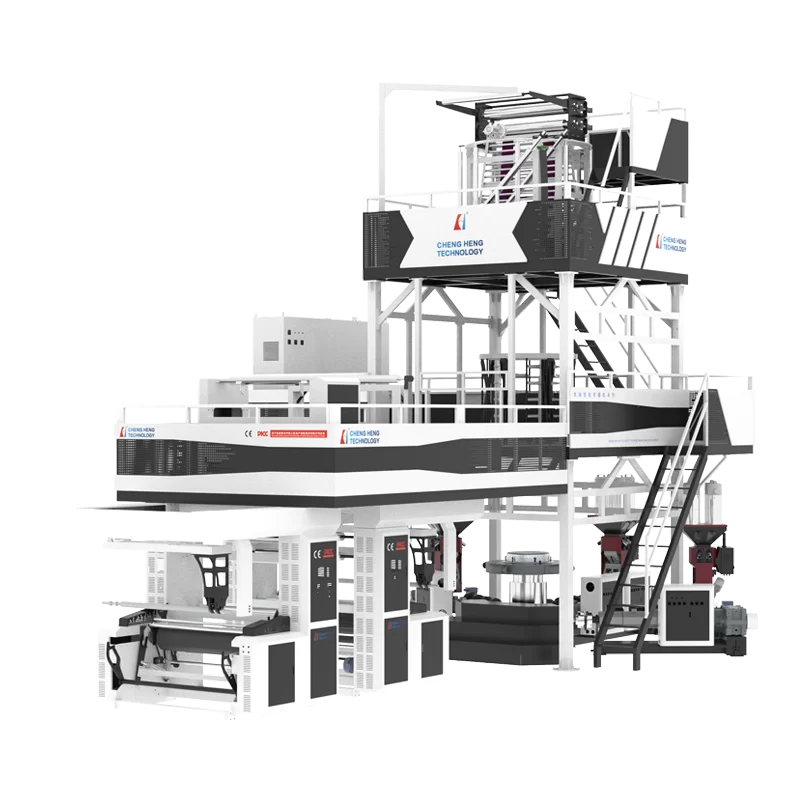
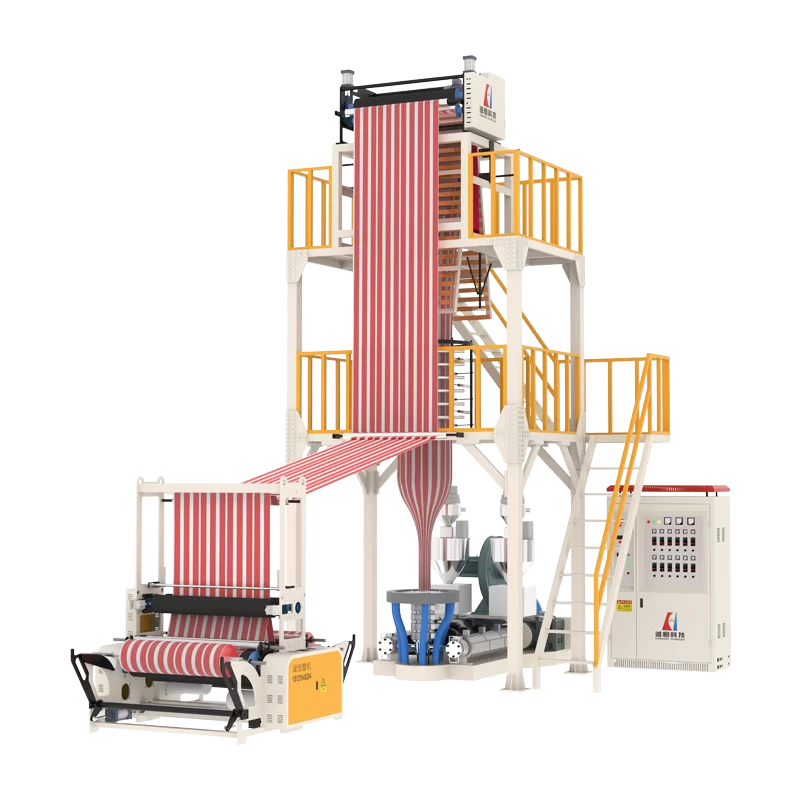
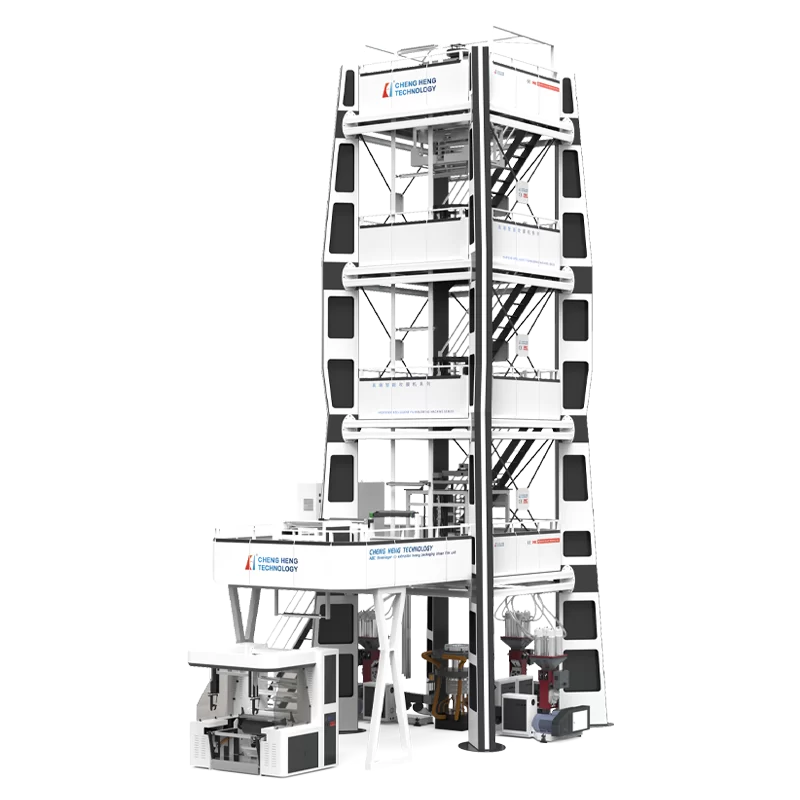
Advanced blown film production line Solutions for Afghanistan

High-efficiency polymer extrusion technology tailored for the unique industrial landscape of the Afghan market, ensuring durability and high output.

Advanced blown film production line Solutions for Afghanistan

We provide specialized plastic processing equipment designed to withstand fluctuating power grids and extreme temperatures, optimizing the production of LDPE, HDPE, and LLDPE films.

Current State of Plastic Film Manufacturing in Afghanistan

Analyzing the challenges and opportunities in the Afghan polymer processing sector.

The industrial landscape in Afghanistan is currently characterized by a heavy reliance on imported plastic packaging. However, there is a growing shift toward local production using the film blowing machine to reduce logistics costs and improve supply chain resilience for essential goods.

Geographical factors, including extreme temperature variations between the highlands and plains, place significant stress on machinery. Many local workshops struggle with inconsistent electricity, necessitating a blown film extrusion machine that features superior thermal stability and energy-efficient heating elements.

Economically, the market is transitioning from low-end manual bagging to semi-automated systems. The demand for a robust blown film line has increased as local entrepreneurs seek to produce higher-quality agricultural mulch films and food-grade packaging to meet regional standards.
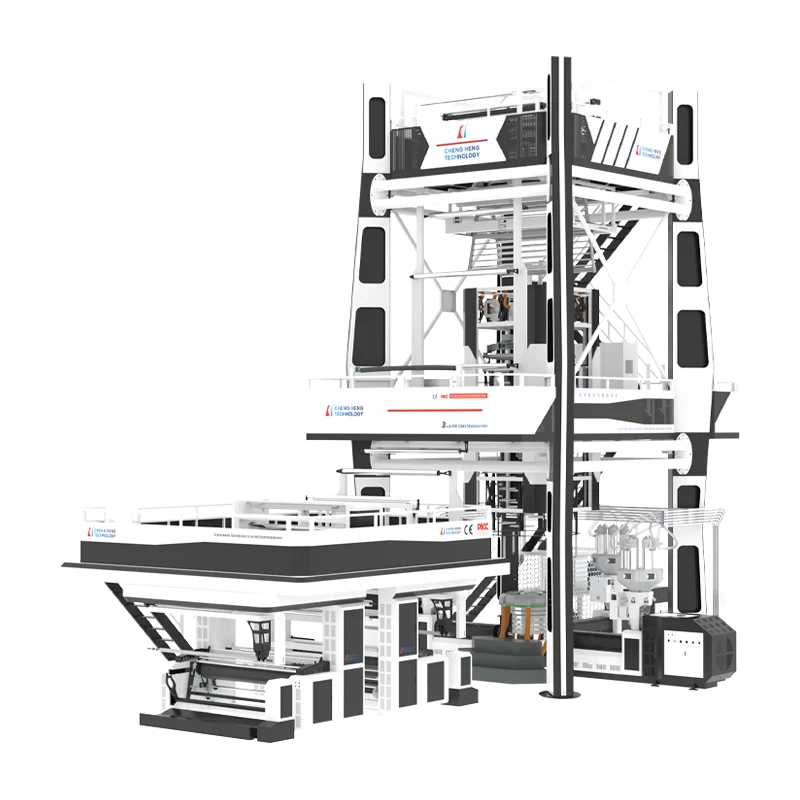
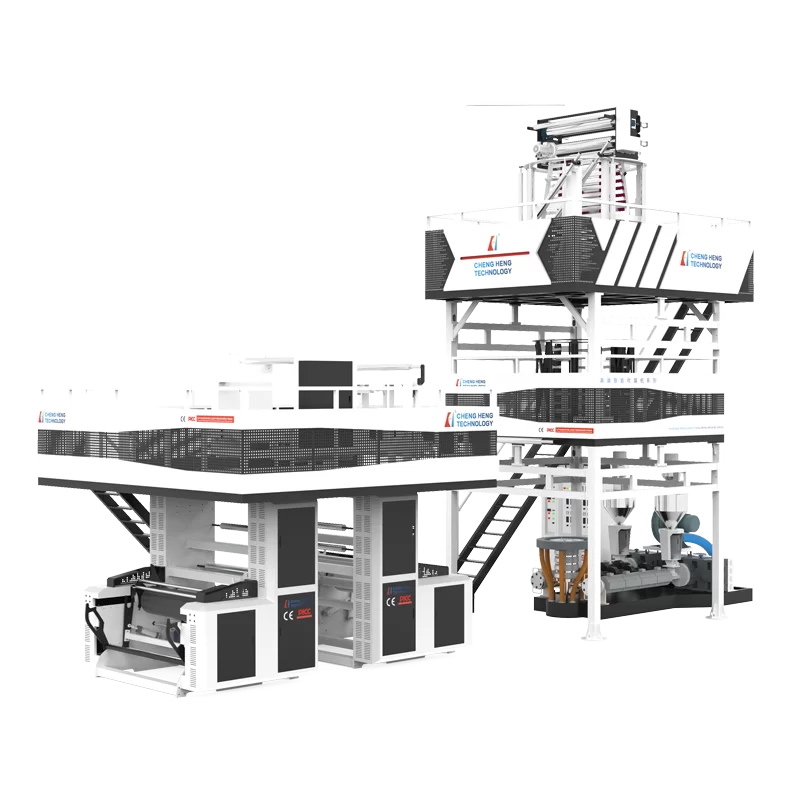
Evolution and Trajectory of Film Extrusion Technology

From basic manual extrusion to intelligent automated production systems.

Market Development History

In the early 2000s, the Afghan market relied on primitive, single-screw machines with manual controls. These early setups were inefficient and produced films with inconsistent thickness, limiting their use to basic garbage bags.

Between 2010 and 2020, the introduction of the lown film machine (low-density film technology) allowed for the production of softer, more transparent packaging, catering to the expanding retail and pharmaceutical sectors in Kabul and Herat.

Recently, the industry has entered the era of "Precision Extrusion," where PLC-controlled systems and automatic bubble control are becoming the standard for any modern blown film production line to minimize waste and maximize material utilization.

Future Development Trends

Biodegradable Material Integration

Google search trends indicate a rising interest in eco-friendly packaging. Future lines will incorporate PLA and PBAT blending capabilities to produce compostable films.

Energy Optimization Systems

Given the local energy constraints, the next generation of equipment will feature infrared heating and advanced insulation to reduce kilowatt consumption per kg of output.

Multi-Layer Co-extrusion

There is a clear trend toward 3-layer and 5-layer structures to enhance barrier properties, reducing the need for expensive additives while maintaining film strength.

Industry Trends and Future Outlook

Strategic foresight for the plastic processing industry in the region.

Smart Automation
Integration of IoT and AI to monitor extrusion pressure and temperature in real-time.
Material Diversification
Moving beyond LDPE to high-performance polymers and recycled PCR resins.
Energy Efficiency
Implementing heat recovery systems to lower operational costs in power-scarce areas.
Circular Economy
Developing integrated lines that can process 100% recycled waste plastic.

Industry Outlook

The outlook for the Afghan plastic industry is cautiously optimistic. As urban centers expand and the retail sector formalizes, the demand for high-quality packaging produced by a blown film line will shift from quantity to quality.

Technological adoption will likely be driven by the need for cost reduction. We anticipate a surge in demand for hybrid machines that combine the durability of mechanical systems with the precision of digital controls.

Localized Applications in Afghanistan

Practical implementation of film extrusion technology across various Afghan sectors.

1. Agricultural Mulch Film Production

Utilizing a blown film extrusion machine to create UV-stabilized PE films that protect crops from the harsh Afghan sun and maintain soil moisture in arid regions.

2. Food-Grade Packaging for Urban Retail

Deploying high-precision film blowing machine units to produce clear, hygienic bags for the growing supermarket chains in Kabul.

3. Industrial Heavy-Duty Liners

Using reinforced blown film production line setups to manufacture thick, tear-resistant liners for mining and construction materials.

4. Pharmaceutical Primary Packaging

Implementing clean-room compatible lown film machine technology to create medical-grade blister packaging and sterile wraps.

5. Recycled Shopping Bag Initiatives

Setting up a blown film line specifically optimized for recycled HDPE granules to support local waste management efforts.

Brand Story

Global Development Journey of Maqi Intelligent Technology Hebei Co., Ltd.

Foundation of Precision

Established with a vision to bridge the gap between complex industrial needs and accessible machinery, focusing on robust extrusion technology.

Technological Breakthroughs

Developed patented screw designs that significantly reduce energy consumption and improve plastic melt homogeneity.

Global Market Expansion

Successfully entered the Central Asian and Middle Eastern markets, adapting equipment for extreme climates and unstable power grids.

Commitment to Sustainability

Launched a series of biodegradable film lines to help global manufacturers transition toward a circular economy.

Industry Leadership

Now recognized as a leader in specialized plastic processing equipment, solving the pain point of efficiency vs. durability for emerging markets.

Common Questions in the Afghan Market

Expert answers to the most frequent technical and commercial inquiries.

How to handle voltage fluctuations with a blown film extrusion machine in Afghanistan?

We recommend installing an industrial-grade voltage stabilizer and utilizing our machines equipped with wide-voltage heating elements to prevent heater burnout during power surges.

Can a film blowing machine produce both HDPE and LDPE films?

Yes, our versatile lines allow for material changes by adjusting the temperature profile and screw speed, though dedicated lines are recommended for maximum efficiency.

What is the average lifespan of a blown film line in arid climates?

With regular maintenance and our specialized anti-corrosion coatings, our lines typically operate for 10-15 years even in dusty, dry environments.

Which blown film production line is best for agricultural mulch?

For mulch film, we suggest a line with an integrated additive dosing system to ensure uniform distribution of UV stabilizers across the film.

Is the lown film machine suitable for recycled plastic pellets?

Absolutely. Our machines feature high-torque gearboxes and specialized filtration screens to handle the impurities often found in recycled materials.

How is the installation of a blown film extrusion machine managed locally?

We provide comprehensive remote video guidance and dispatch experienced engineers for on-site installation and operator training to ensure optimal startup.

Ready to Upgrade Your Production?

Our experts are ready to provide a tailored technical proposal for your business in Afghanistan.

Contact Us Now