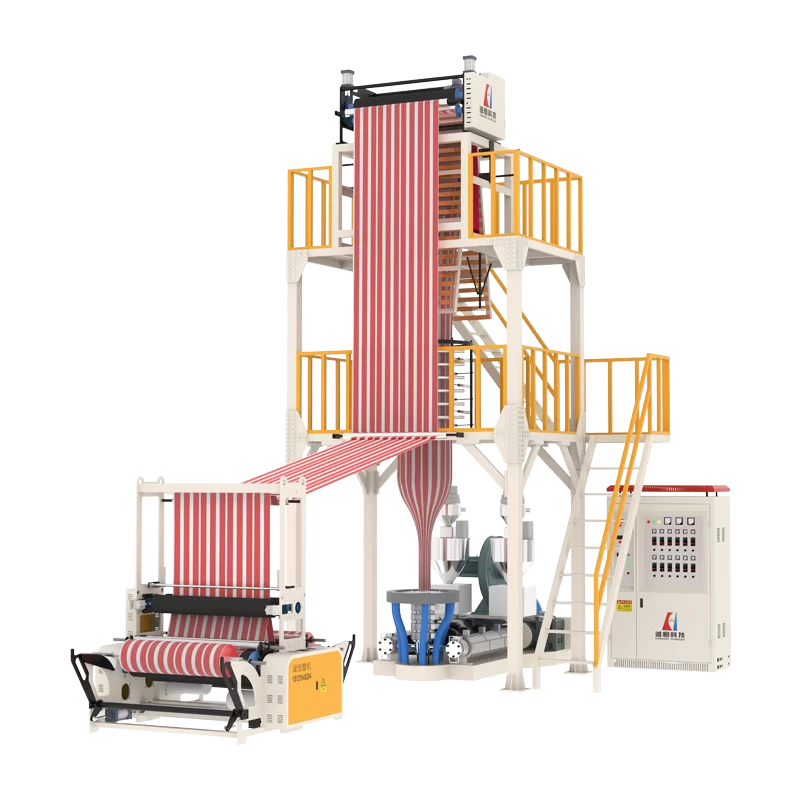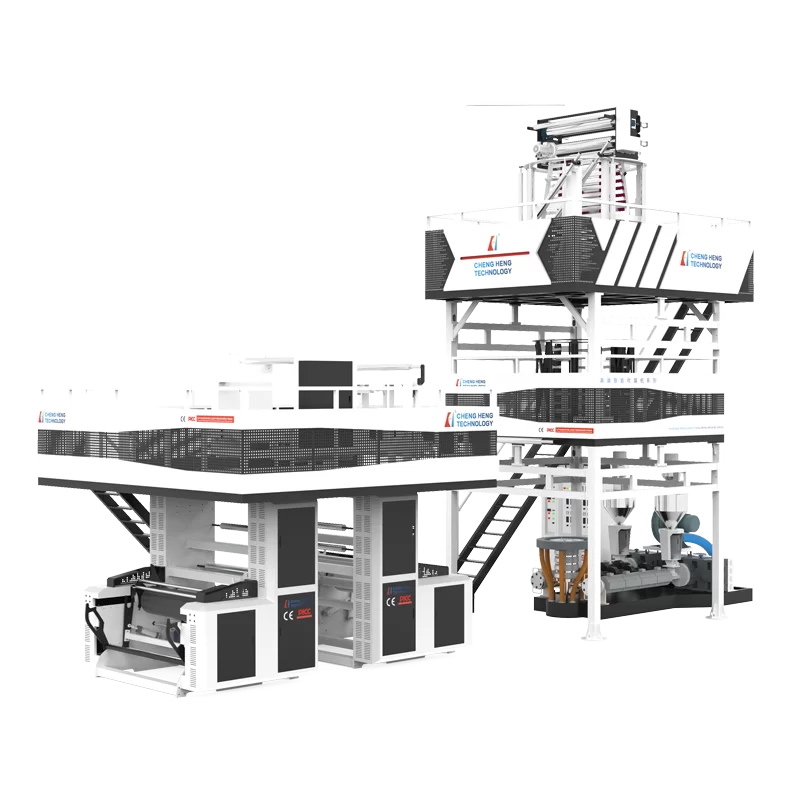
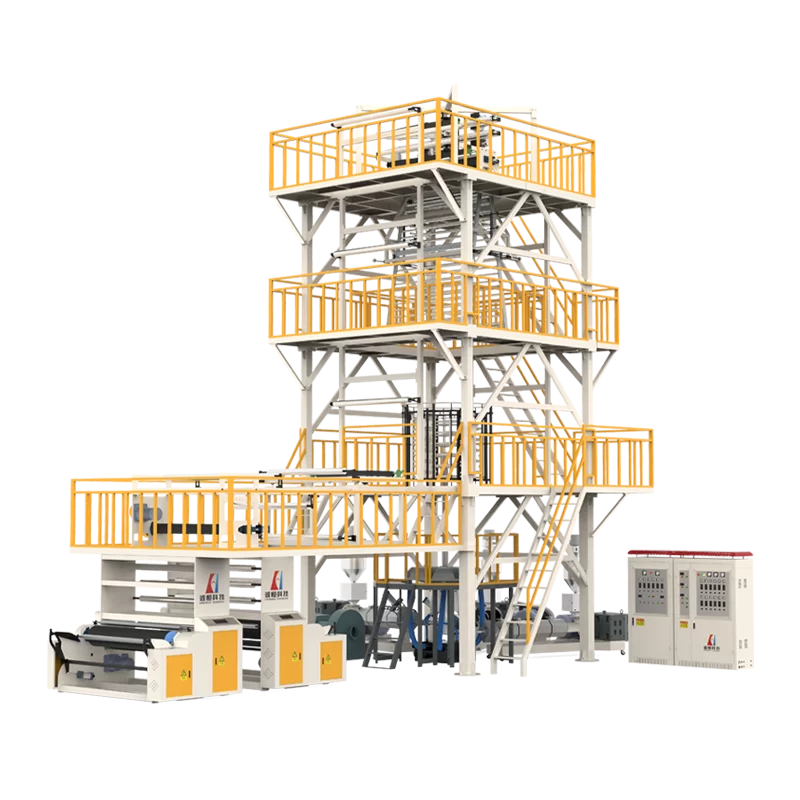
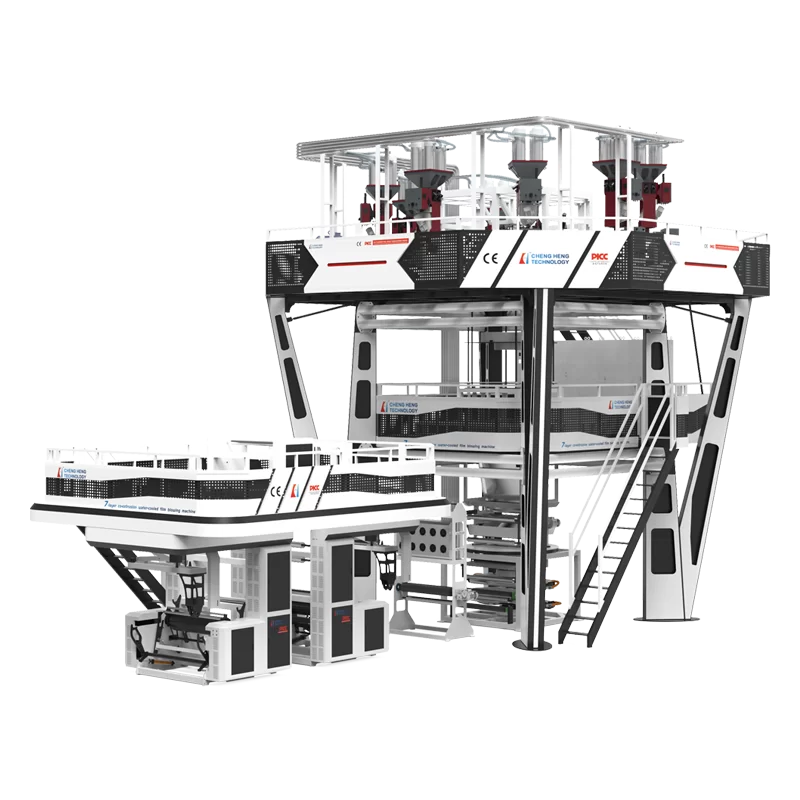
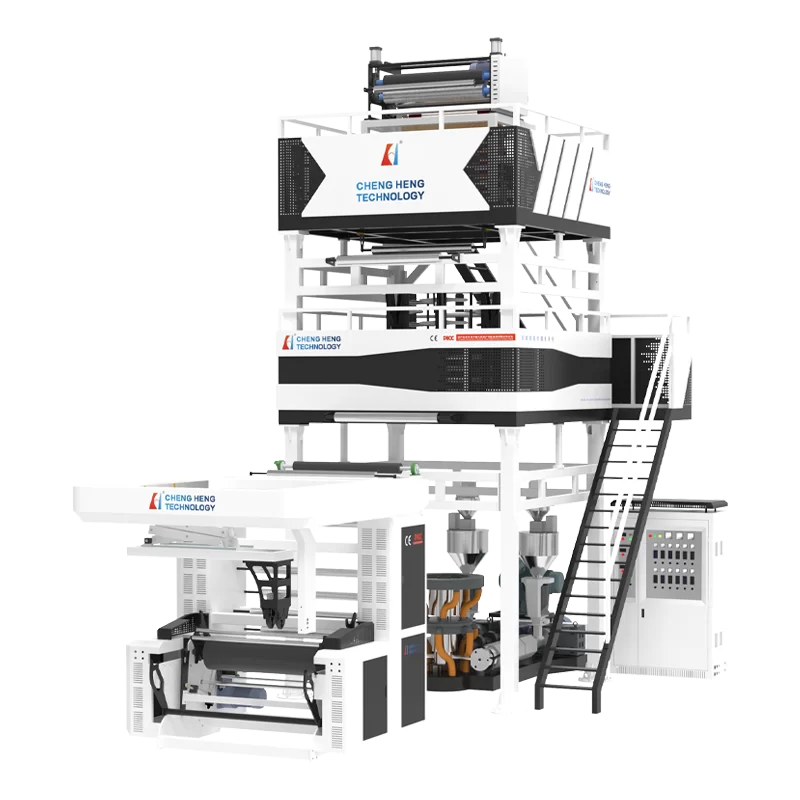
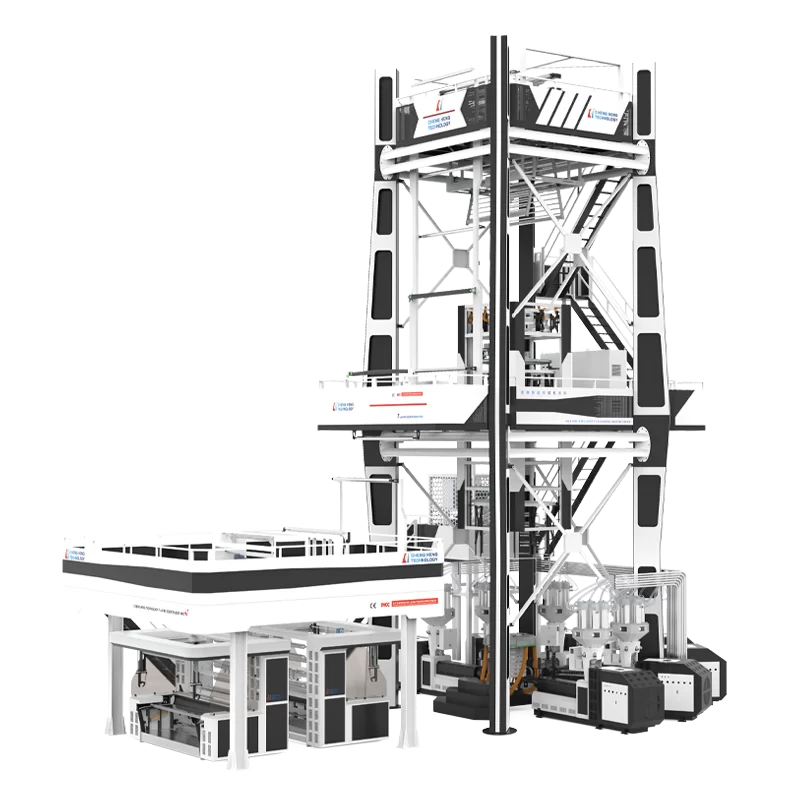
The manufacturing sector in North Korea currently faces a unique intersection of aging infrastructure and a growing demand for localized packaging materials. The reliance on domestic raw materials means that any blown film extrusion machine must be capable of handling varying resin purity levels without compromising the structural integrity of the final product.
Due to the regional climate and energy constraints, there is a significant shift toward equipment that minimizes power consumption. Local factories are increasingly seeking a reliable blown film line that can operate stably under fluctuating voltage conditions, which is a common challenge in the regional power grid.
Furthermore, the demand for agricultural films and industrial liners is peaking. This has led to a strategic push for integrating more advanced lown film machine technology to replace obsolete manual processes with semi-automated systems that increase yield and reduce waste.