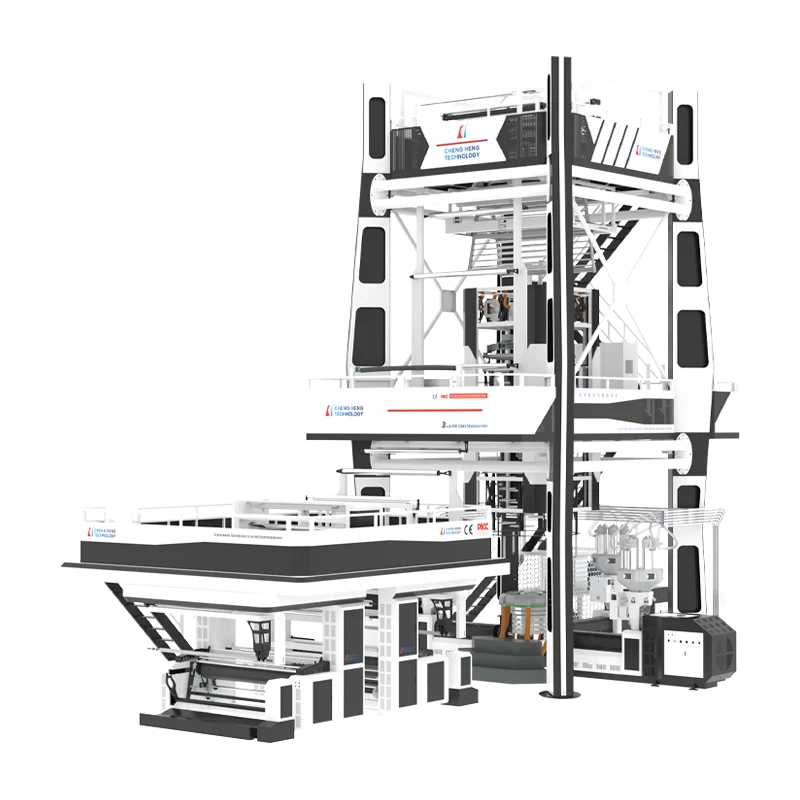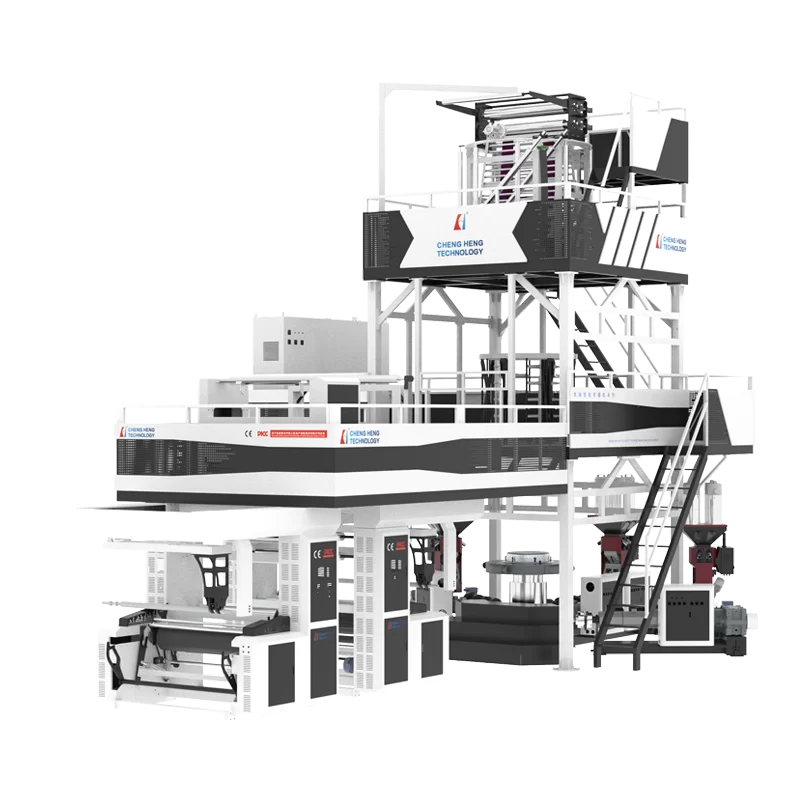
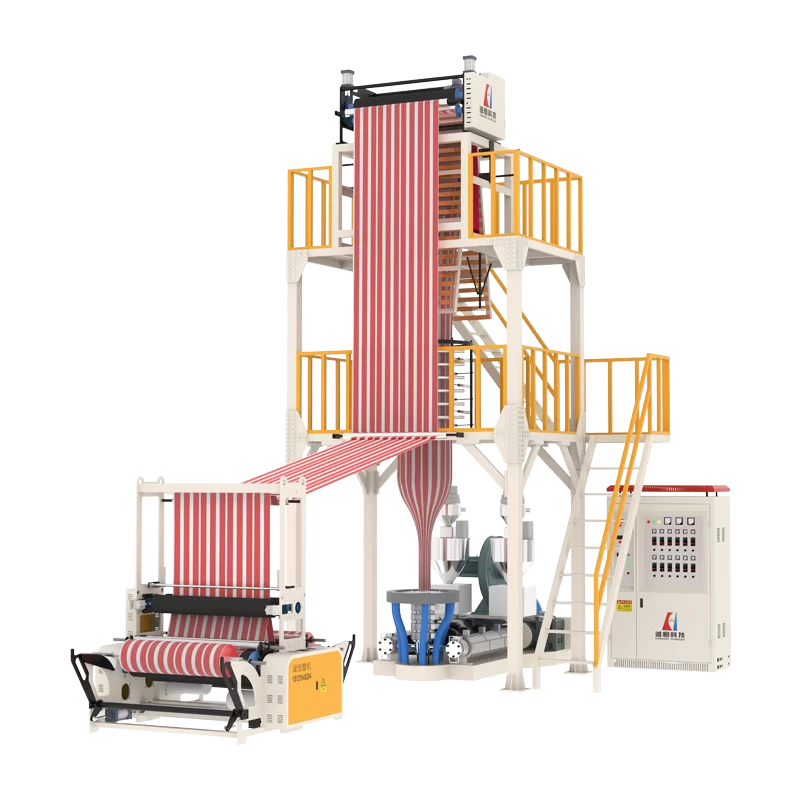
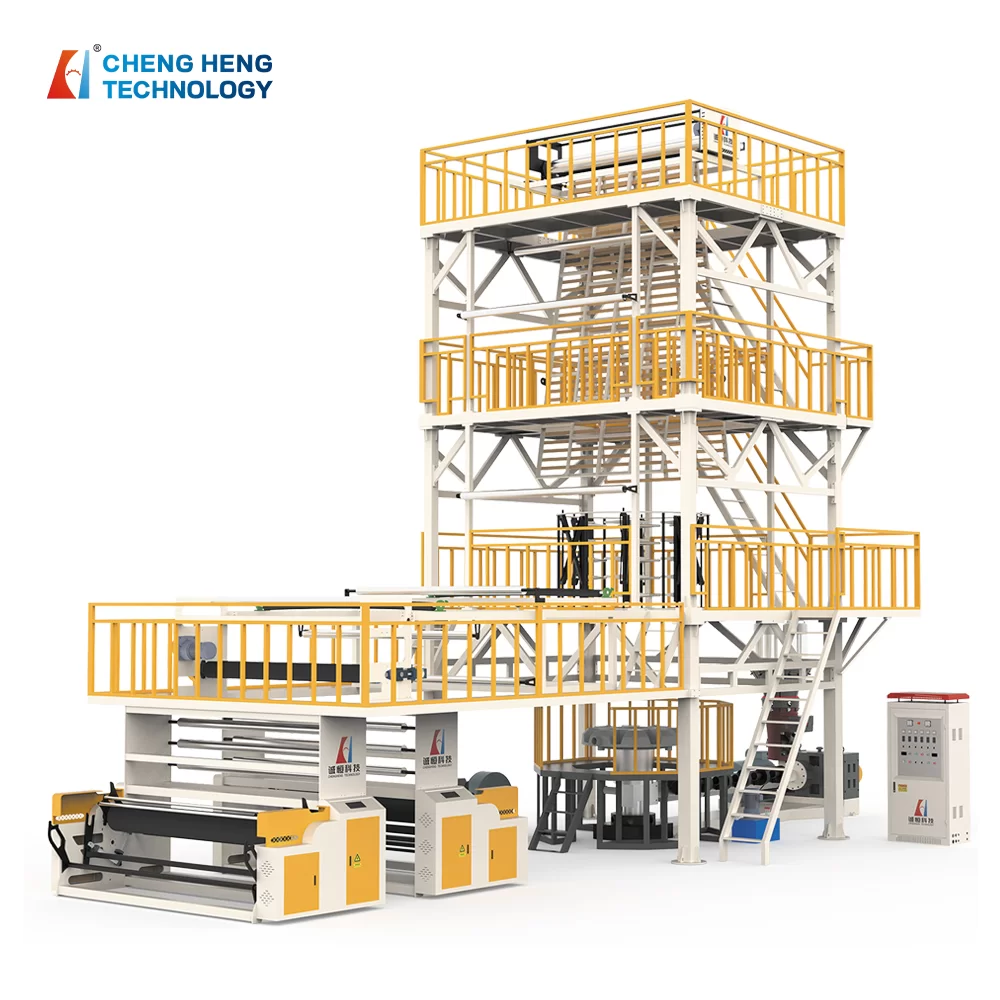
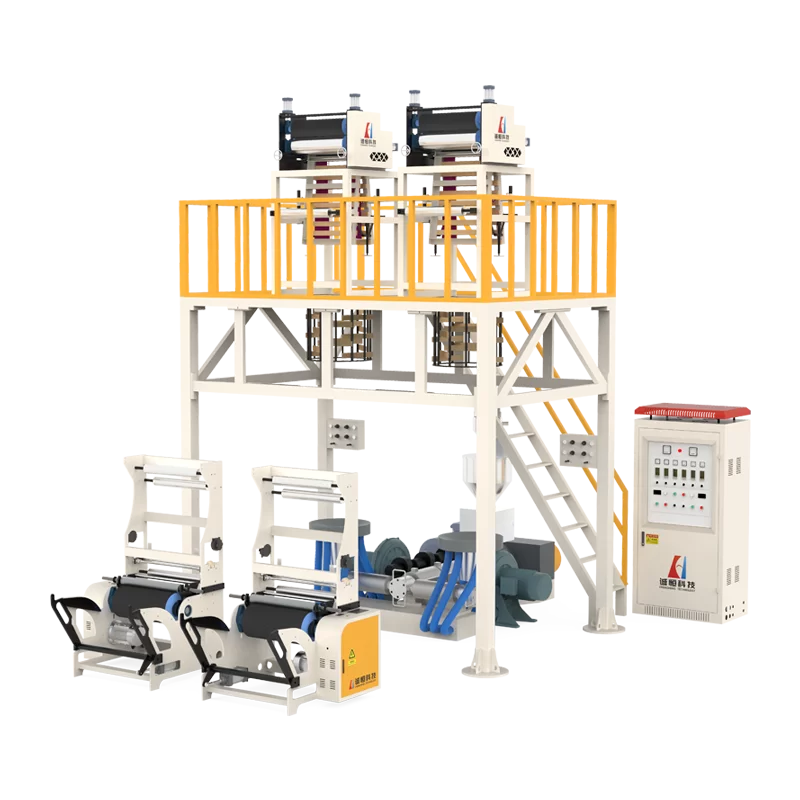
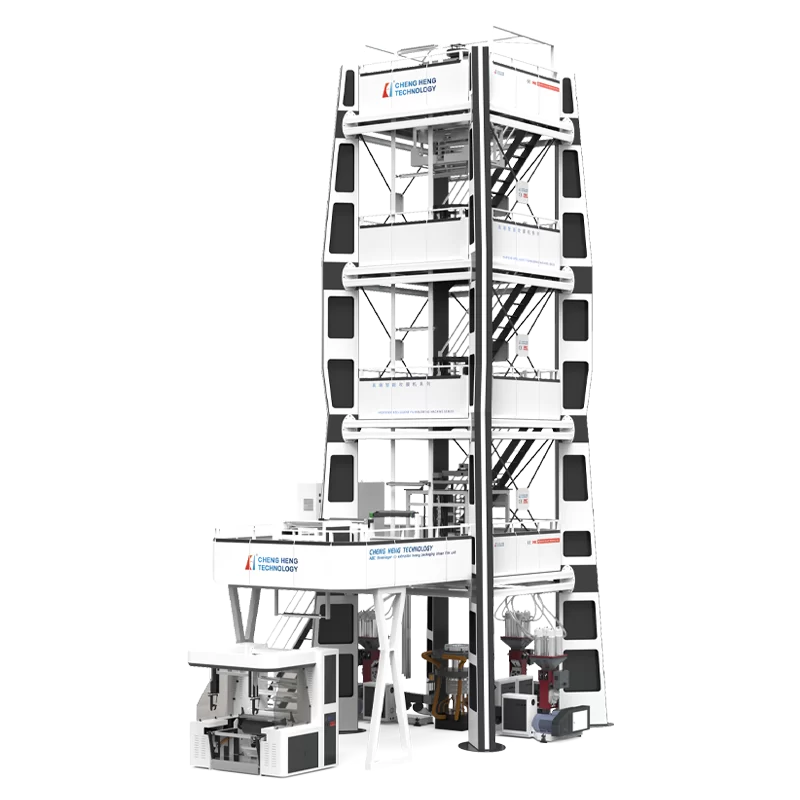
Advanced blown film production line Solutions for Libya

Empowering the Libyan packaging industry with high-efficiency extrusion technology tailored for desert climates and industrial growth.

Advanced blown film production line Solutions for Libya

Providing world-class plastic extrusion machinery to enhance the production capacity and product quality of Libyan manufacturers.

Current State of Plastic Film Manufacturing in Libya

Analyzing the operational challenges and market demands within the North African region.

The Libyan market currently relies heavily on imported plastic packaging. However, there is a growing shift toward local production using a professional film blowing machine to reduce costs and supply chain dependencies. The demand is primarily driven by the food and agriculture sectors.

Operating a blown film extrusion machine in Libya presents unique challenges, particularly the extreme heat and dust. Equipment must feature superior cooling systems and robust filtration to maintain consistent film thickness and prevent polymer degradation during the extrusion process.

Current local production is transitioning from small-scale manual operations to automated systems. The adoption of a comprehensive blown film line is becoming essential for factories aiming to compete with international imports in terms of transparency, strength, and sealability.
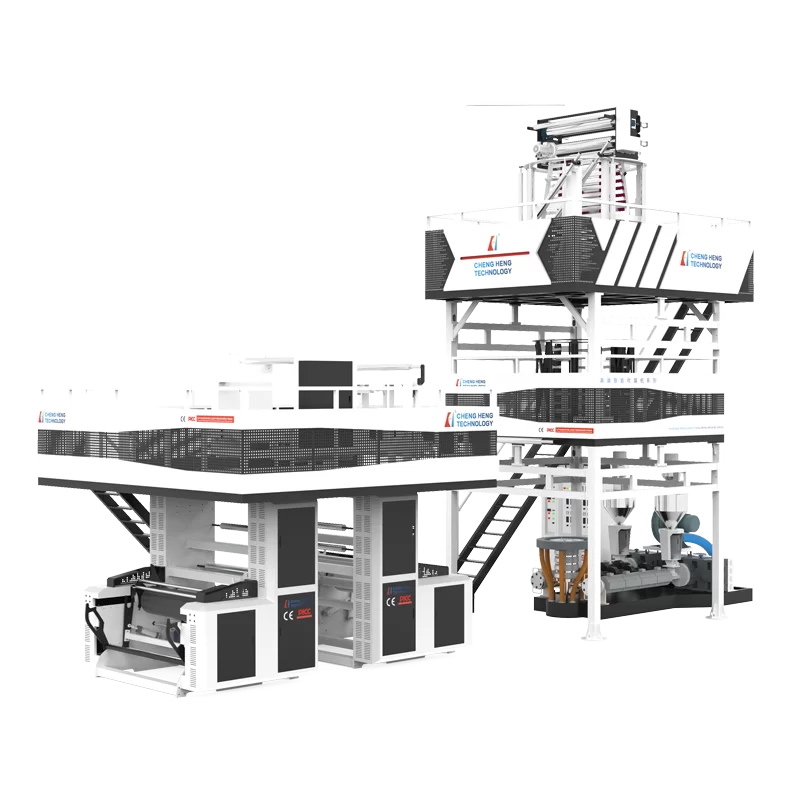
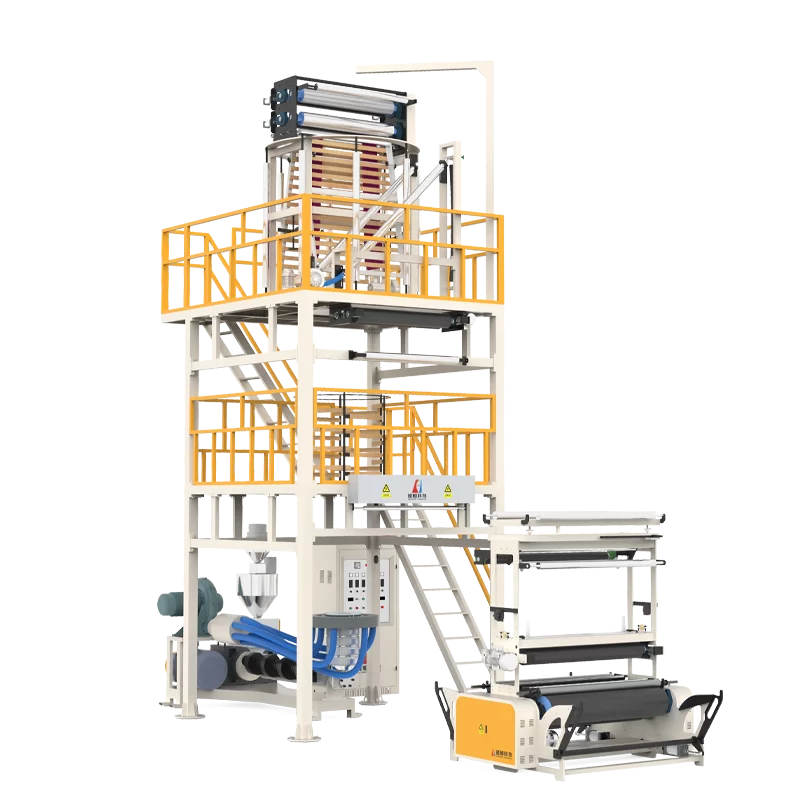
Technical Evolution and Growth Trajectory

From traditional extrusion to smart, energy-efficient production systems.

Market Development History

In the early 2000s, the Libyan market was dominated by basic, single-screw machinery. These early lown film machine setups focused on simple polyethylene bags with limited control over gauge variation and high energy consumption.

Between 2010 and 2020, the industry saw a transition toward multi-layer co-extrusion. This allowed manufacturers to combine different resins, improving the barrier properties of the film, which was critical for the preservation of agricultural products in Libya's arid climate.

Currently, the market is entering the era of Industry 4.0. Modern production lines now integrate PLC controls and automatic bubble stabilization, ensuring that the blown film line operates with minimal waste and maximum output efficiency.

Future Development Trends

Biodegradable Material Integration

Driven by global environmental trends, Libya is likely to see a surge in demand for machinery capable of processing PLA and PBAT resins to replace traditional LDPE.

Energy Optimization Systems

With rising electricity costs, the focus is shifting toward energy-saving heating elements and high-efficiency motors within the extrusion unit.

Ultra-Thin High-Strength Films

The trend is moving toward "down-gauging"—producing thinner films that maintain the same mechanical strength, reducing raw material costs significantly.

Industry Trends and Future Outlook

Strategic directions for the next 5 years in the Libyan plastics sector.

Smart Automation
Integration of IoT and AI to monitor the extrusion process in real-time, reducing manual errors in Libyan factories.
Circular Economy
Increasing use of recycled HDPE and LDPE granules to lower raw material imports and support local sustainability.
Material Diversification
Expansion into specialty films such as UV-resistant agricultural mulch and high-barrier food packaging.
Localized Maintenance
Developing local technical support hubs to minimize downtime for critical machinery in the Libya region.

Industry Outlook

Google search trends indicate a rising interest in "biodegradable film production" across North Africa. This suggests that Libyan entrepreneurs are preparing for stricter environmental regulations, creating a massive opportunity for advanced machinery upgrades.

We expect a consolidation of the market where smaller, inefficient workshops are replaced by medium-sized enterprises utilizing integrated blown film production line systems to achieve economies of scale.

Localized Application Scenarios in Libya

Practical implementations of our extrusion technology in various Libyan sectors.

1. Agricultural Greenhouse Film Production

Utilizing a high-performance film blowing machine to produce UV-stabilized films that protect crops from the intense Libyan sun and reduce water evaporation.

2. Retail and Shopping Bag Manufacturing

Implementing a high-speed blown film line for the production of T-shirt bags and heavy-duty shopping bags for Tripoli's expanding retail markets.

3. Industrial Packaging for Oil & Gas

Using a robust blown film extrusion machine to create heavy-duty protective wraps for equipment and components used in the petroleum industry.

4. Food Grade Vacuum Packaging

Deploying multi-layer co-extrusion technology to produce high-barrier films that extend the shelf life of local food products, reducing waste in the supply chain.

5. Garbage and Waste Management Liners

Scaling up production of recycled-material liners using a lown film machine to support municipal waste management initiatives in Benghazi.

Brand Story

Global Development Journey of Machi Intelligent Technology Hebei Co., Ltd.

Foundation and Vision

Started with a mission to bridge the gap between complex industrial engineering and user-friendly operation, focusing on the core of plastic extrusion.

Technological Breakthrough

Developed proprietary screw designs that maximize melt homogeneity, solving the common problem of "fish-eyes" in high-speed film production.

Global Expansion

Expanded our footprint into Africa and the Middle East, adapting our machinery to handle volatile power grids and high-temperature environments.

Sustainability Commitment

Pioneered the integration of recycled material processing capabilities, allowing clients to transition to a circular economy without sacrificing quality.

Intelligent Future

Now leading the industry with smart-control systems that allow remote diagnostics and optimization, ensuring zero-downtime for our global partners.

Complete Product Portfolio for the Libyan Market

From entry-level extrusion units to fully automated industrial production lines.

Frequently Asked Questions for Libya Clients

Expert answers to the most common technical and commercial queries.

How do I choose the right film blowing machine for the Libyan climate?

For Libya, we recommend machines with enhanced air-cooling rings and reinforced heat dissipation systems to ensure stable bubble formation despite high ambient temperatures.

Can your blown film production line handle recycled PE granules?

Yes, our lines are equipped with advanced degassing systems and specialized screw profiles designed to handle recycled materials while maintaining film clarity and strength.

What is the average lead time for a blown film extrusion machine to be delivered to Libya?

Typically, production takes 30-45 days, with shipping to Libyan ports taking an additional 20-30 days depending on the logistics provider.

Do you provide installation and training for the blown film line in Tripoli or Benghazi?

We offer comprehensive on-site installation and technical training, or remote guidance via augmented reality tools to ensure your team operates the machinery efficiently.

How can I reduce energy consumption on my lown film machine?

We suggest upgrading to infrared heaters and using VFD (Variable Frequency Drive) motors, which can reduce electricity usage by up to 20%.

What maintenance is required for a blown film production line in dusty environments?

Regular cleaning of the cooling fans and the use of sealed electrical cabinets are critical to prevent dust accumulation and overheating in the Libyan desert environment.

Ready to Upgrade Your Production?

Our experts are ready to provide a customized extrusion solution for your business in Libya.

Contact Us Now